All Lists
Fiction and non-fiction, rated by emotional devastation.
Fiction (88 lists)

The Most Devastating Novels Ever Written
The books that hollowed you out and left something in the space. Ranked by the particular permanence of the damage they do.
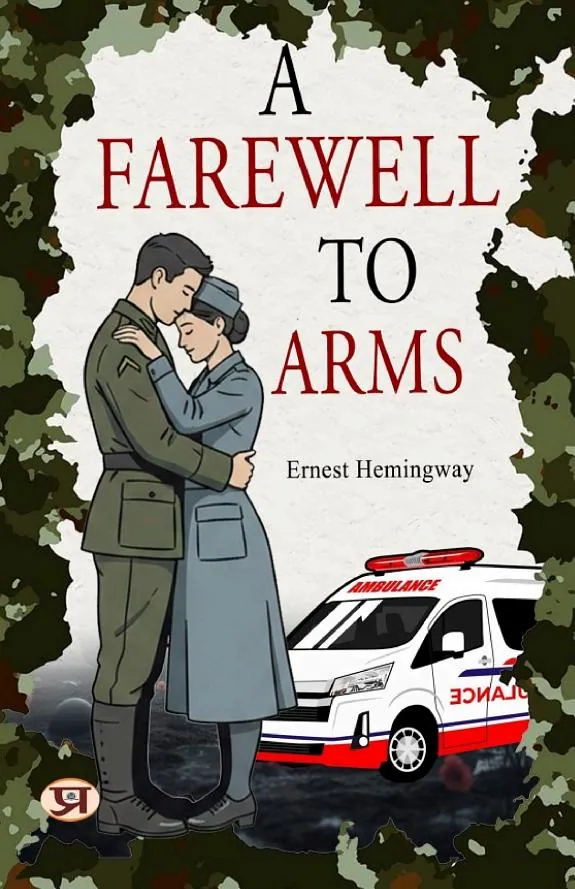
War Fiction That Will Haunt You
Not the glory — the aftermath, the mud, the men who came back wrong. Fiction that refuses to make war cinematic.

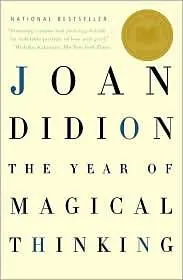
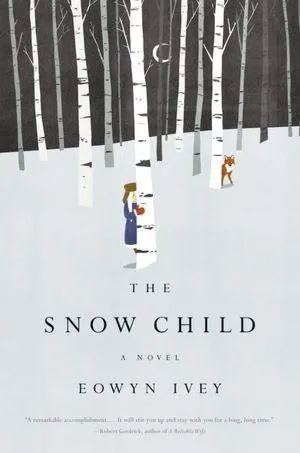
Grief Books — Novels About Loss and Healing
Fiction that sits inside grief rather than trying to resolve it — books that understand the long, shapeless time after loss.
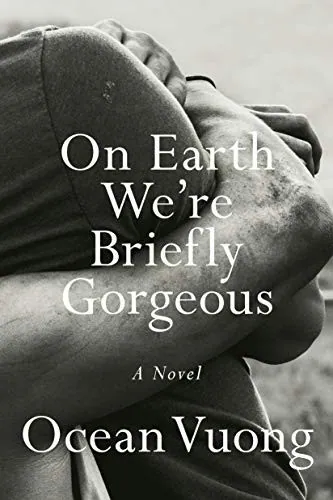


Tragic Love Stories — Not Your Typical Romance
Love as a destructive force, as an act of timing that doesn't align, as a grief that outlasts the person who caused it.
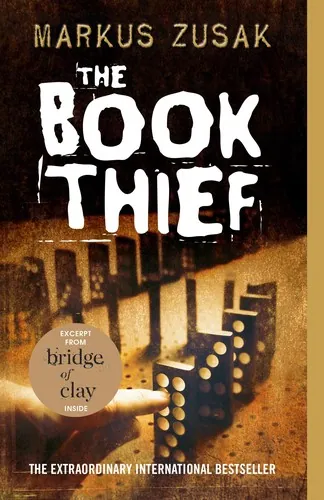


Dark Historical Fiction — The Books History Forgot
History told from the wrong end of the rifle, from the occupied city, from the body that paid the price for someone else's certainty.

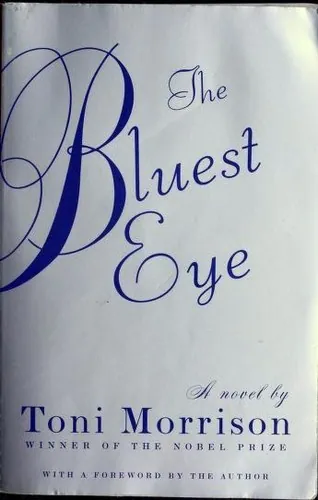
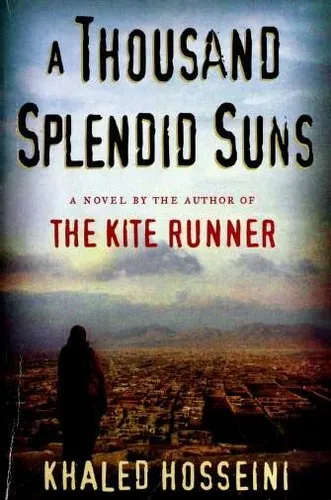
Books With Endings That Destroyed Me
Not twists — conclusions. Endings that arrived with the force of inevitability and left you staring at the final page long after the words had stopped.
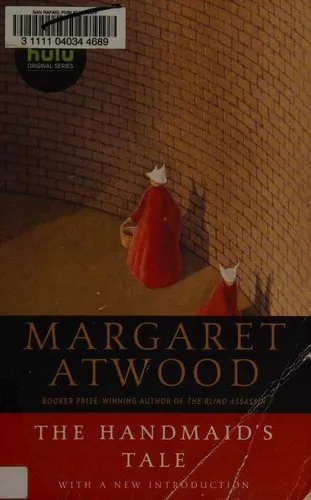
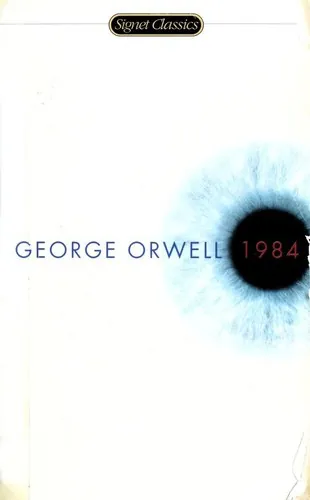
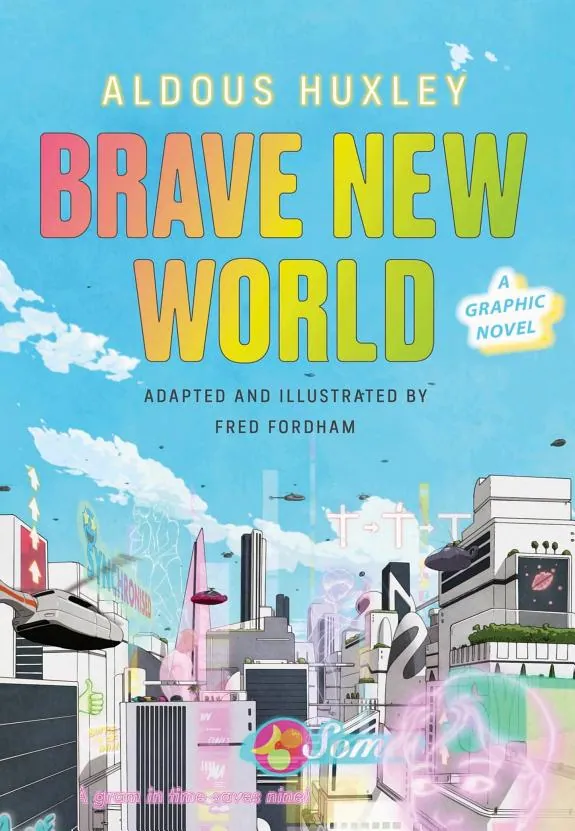
Dystopian Nightmares — Fiction Too Close to Reality
The worlds that seemed impossible when they were written and keep becoming less impossible. Read them as warning, not as prophecy.
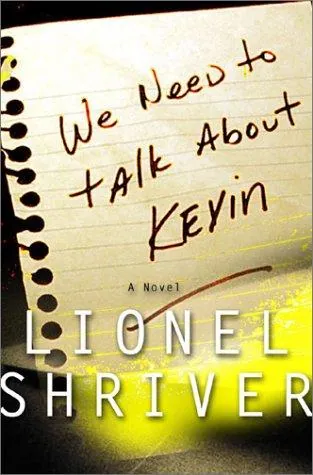
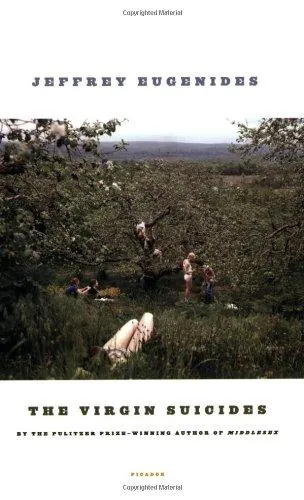
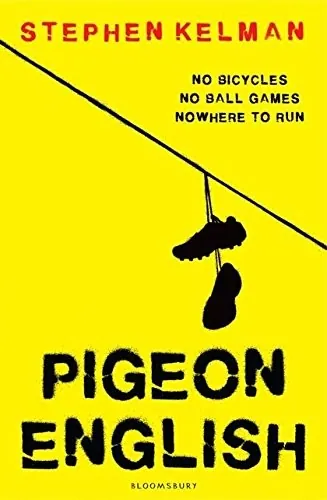
Child Loss in Fiction — Read With Caution
Fiction that goes where most books won't — the death of children and the particular devastation that follows those who are left.
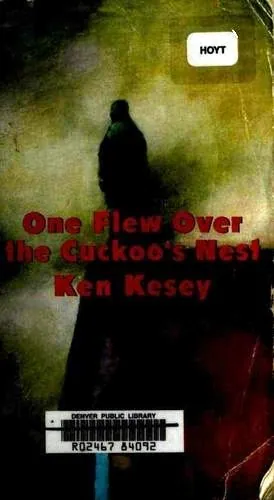

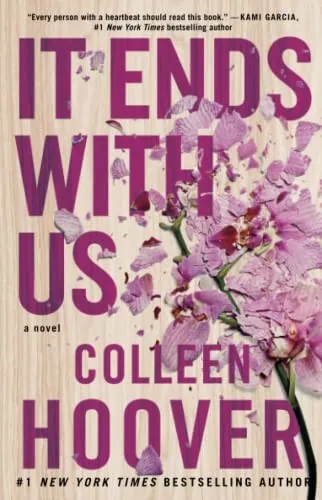
Mental Health in Literature — Raw and Unflinching
Fiction and memoir that refuses to package mental illness as metaphor or inspirational arc — books that live inside the experience.
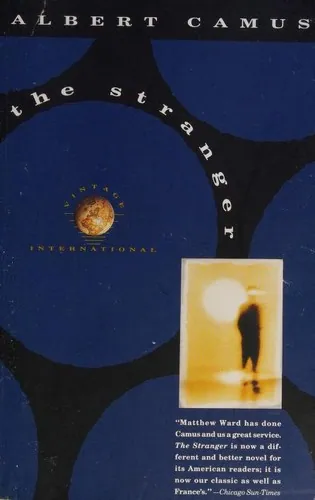
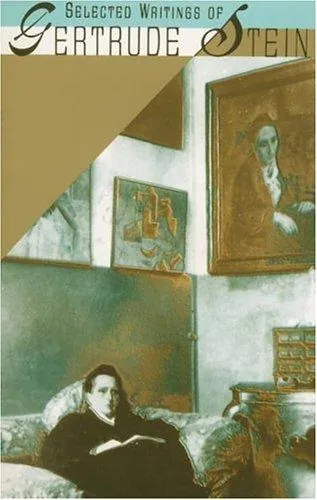
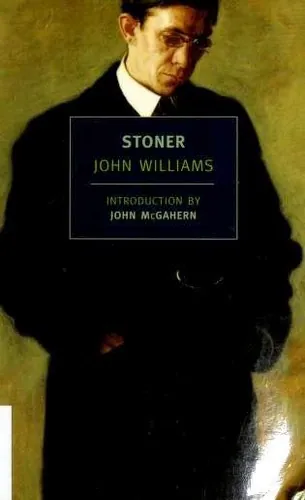
Literary Fiction That Will Make You Question Everything
Novels that use story to dismantle the assumptions you didn't know you were standing on — philosophy embedded in character and consequence.
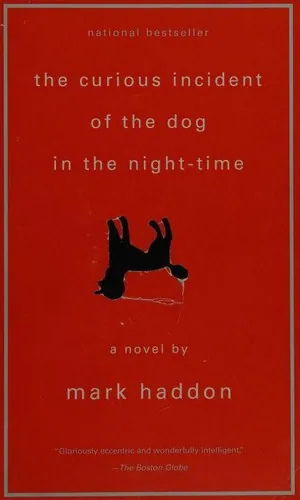
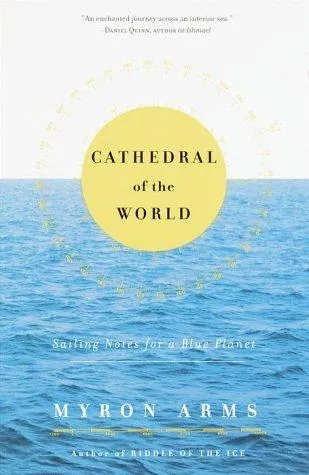
Books About Loneliness — The Quiet Devastation
Not dramatic isolation but the ordinary kind — the loneliness of being surrounded by people who do not quite see you.
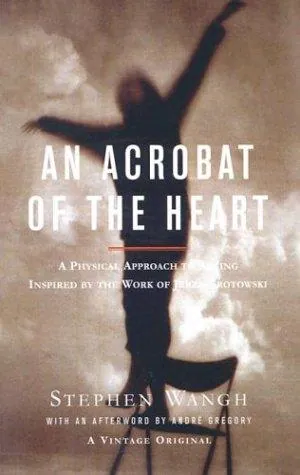
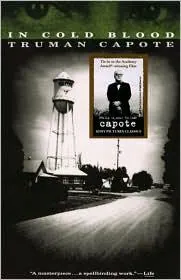

Revenge and Moral Collapse — When Good People Break
What happens to a person when the desire for justice tips into something darker — fiction about the cost of carrying the wound too long.
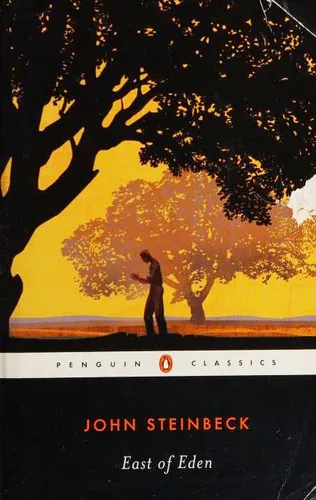
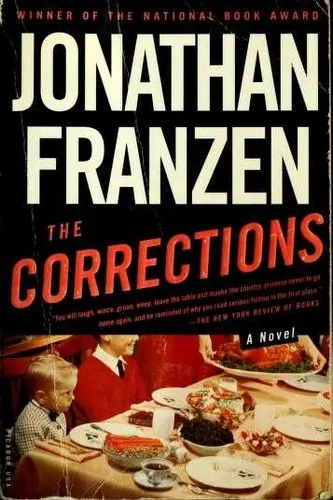

Family Sagas That Will Gut You
Dynasties, generations, and the damage that passes from parent to child with such quiet persistence it starts to look like love.
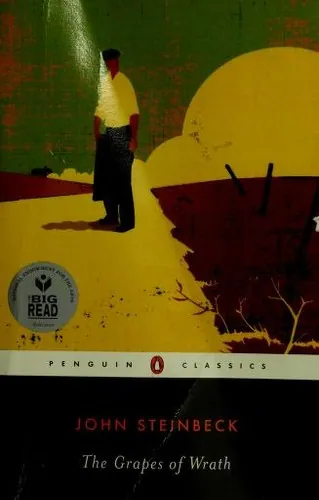
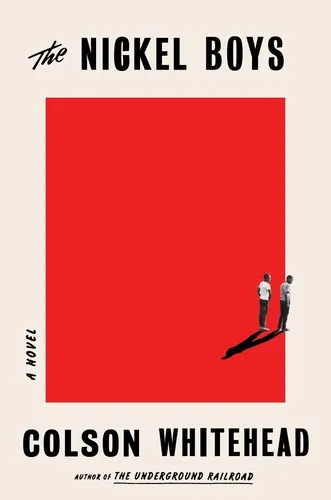
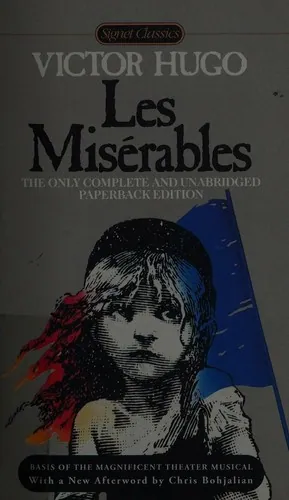
Poverty in Fiction — Stories From the Margins
Literature that refuses to make poverty quaint or redemptive — fiction about the specific, grinding mechanics of economic exclusion.
Books Set in Prisons — Captivity and Survival
The carceral experience from the inside — what captivity does to the body, the mind, and the particular human insistence on dignity in its absence.
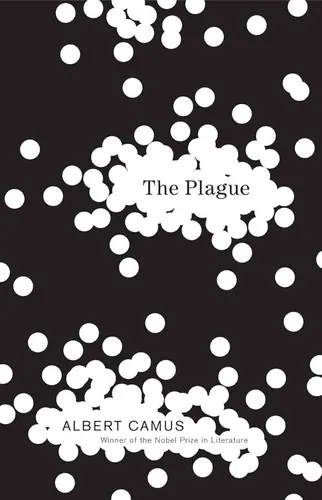

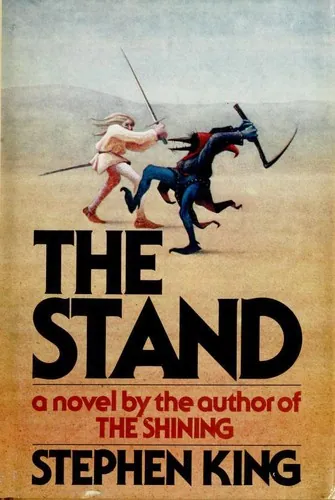
Plague and Pandemic Fiction
The End of the World — stories of contagion, quarantine, and the human behaviour that emerges when society is stripped to survival. These novels don't ask whether the virus wins. They ask what we become while it's winning.
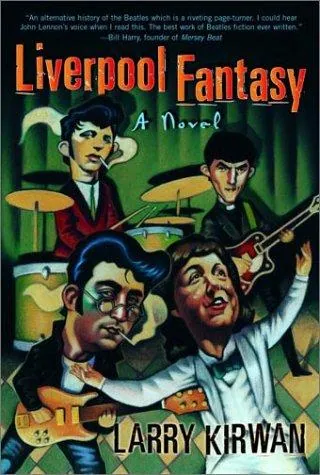

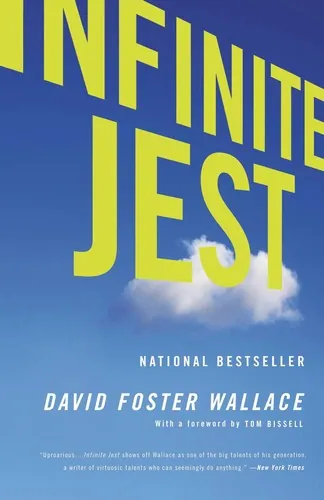
Addiction in Fiction
The Spiral — fiction and memoir that refuses to make addiction romantic or resolved. These books go inside the dependency, the self-destruction, the love that isn't enough. No clean endings. Just the weight of wanting something that is killing you.


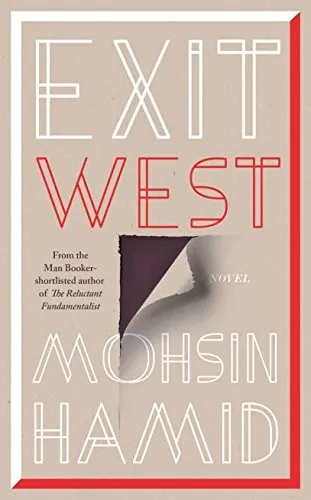
Immigrant Stories
Belonging Nowhere — novels about the cost of crossing borders: the identity left behind, the identity that can't be built in the new place, and the generation caught between both. These books know that arrival is only the beginning of the grief.

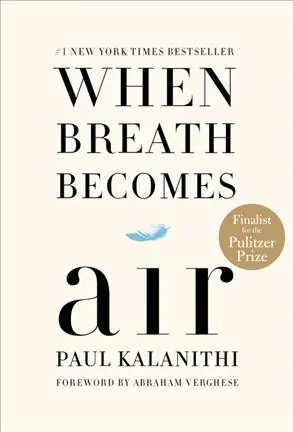
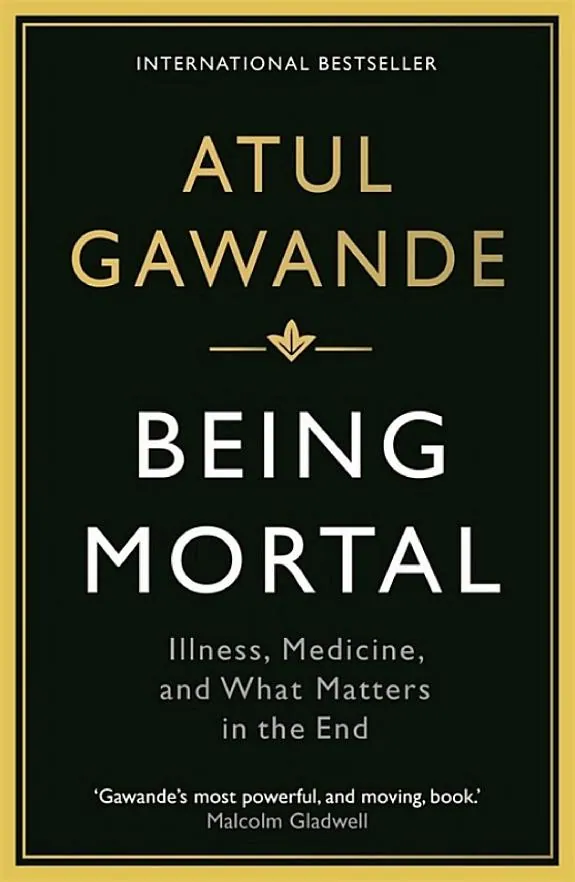
Books About Ageing and Death
The Long Goodbye — fiction and memoir that sits with mortality without flinching. These books don't offer comfort. They offer company. They look at the body failing, the memory going, the self diminishing — and they refuse to look away.

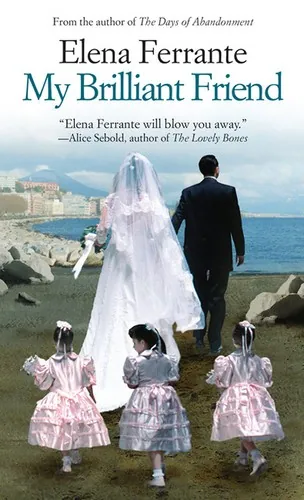
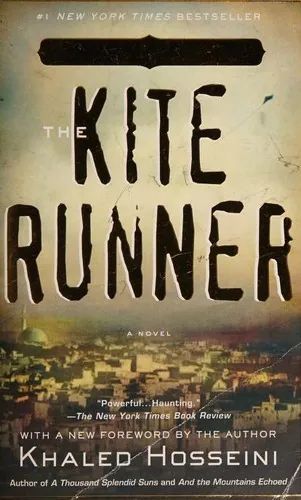
Betrayal Stories
Trust Shattered — novels where the wound is not war or fate but the specific person who was supposed to be safe. These books know that the worst betrayals come from inside the house. They don't heal. They accumulate.
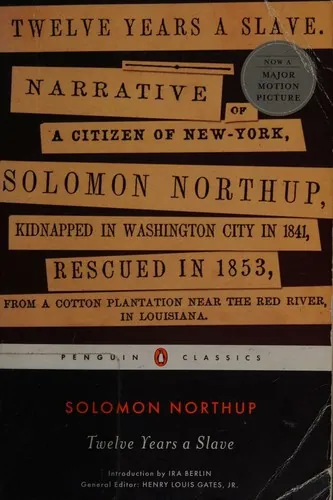
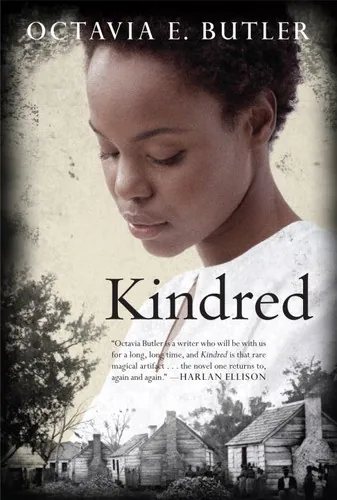
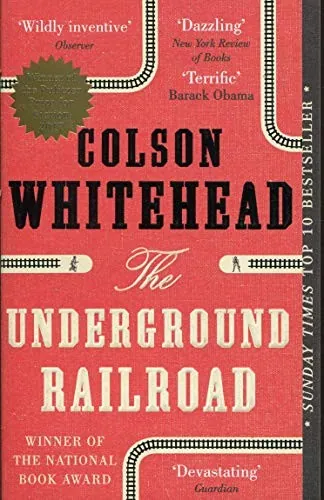
Books About Slavery
Fiction That Bears Witness — novels and memoirs that refuse to let the machinery of slavery become abstract. These books put individual lives inside the system, and the system inside individual lives. History is not the past here. It is the present's unresolved argument.
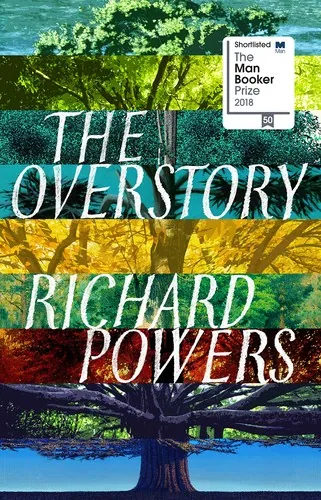
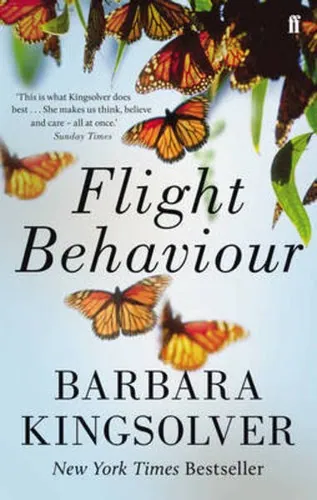
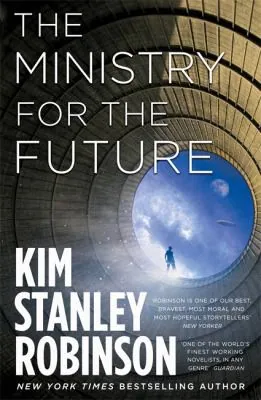
Environmental Collapse Fiction
Requiem for Earth — novels that grieve the natural world before it has finished dying. These are not warnings. Warnings imply there is still time. These books are elegies, written now, for what we have already agreed to lose.
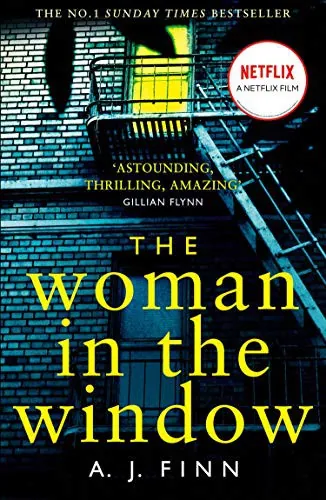
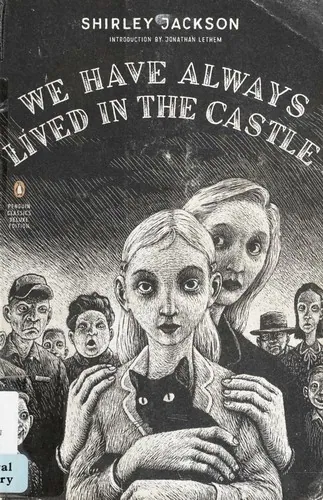
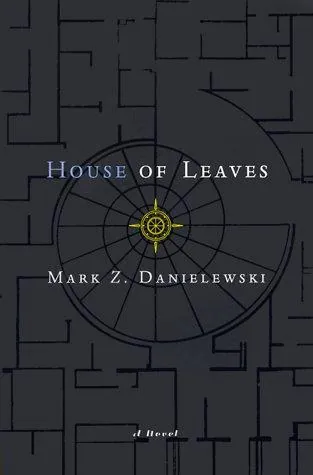
Psychological Horror That Feels Too Real
The horror in these books isn't supernatural — it lives in misremembering, in the architecture of a house, in what the mind does to protect itself from what it knows. These novels don't scare you with monsters. They scare you with mirrors.
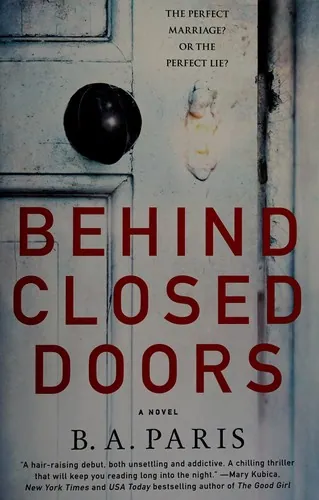

Books About Abusive Relationships
Behind Closed Doors — fiction that doesn't sensationalise domestic abuse but makes the slow escalation legible. These books ask how you got here, not just what happened. They are uncomfortable because they are recognisable.

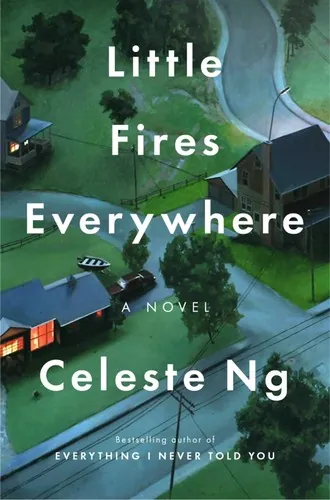
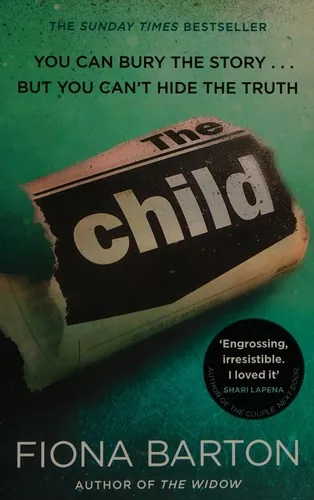
Lost Children
Disappearance, Abduction, Separation — novels about the specific devastation of a missing child. The grief that has no body, no ending, no permission to stop. These books live in the space between hope and knowing, and they don't let you leave.
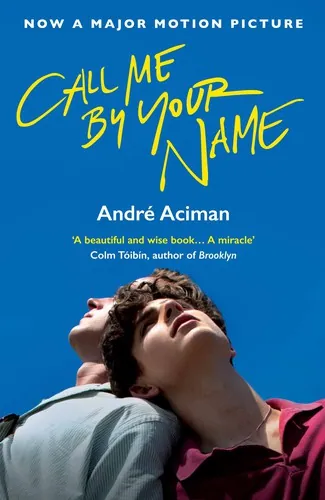


Forbidden Love
Doomed From the Start — love stories where the prohibition is not a plot device but the whole question. Class, race, gender, war, time, law — these novels ask what love costs when the world has decided it shouldn't exist.
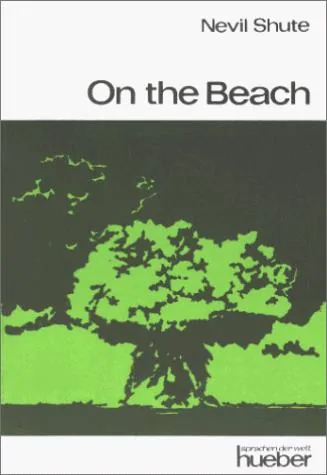
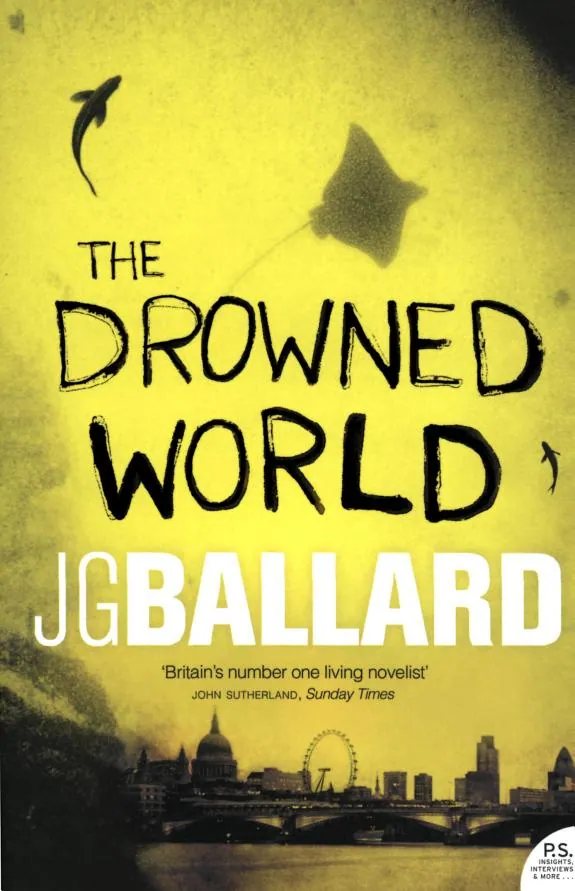
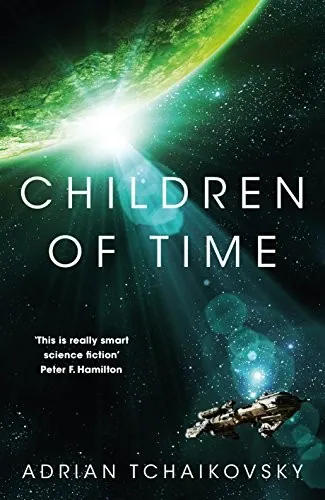
Post-Apocalyptic Fiction
What Comes After — novels set in the wreckage of civilisation, asking not how it ended but what survival costs. These books are not about catastrophe. They are about who you become once the catastrophe is over and you still have to get up in the morning.
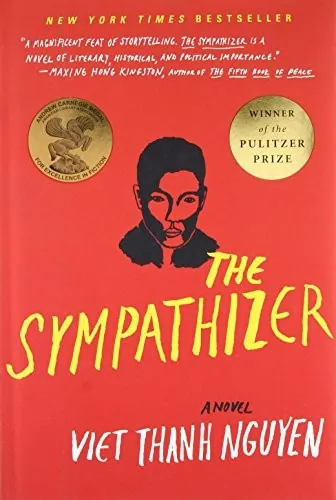
Books Set During Genocide
The Darkest Chapters — fiction and memoir that places a human life inside an organised annihilation. These books resist abstraction. They count the individual bodies. They insist on names. They refuse the scale that makes atrocity bearable to consider.
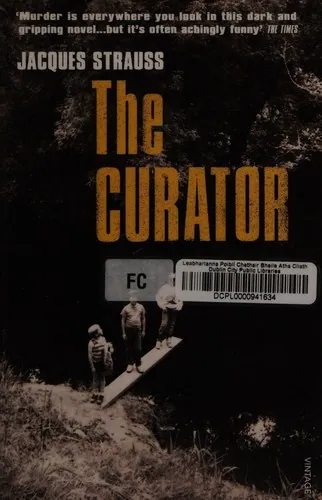
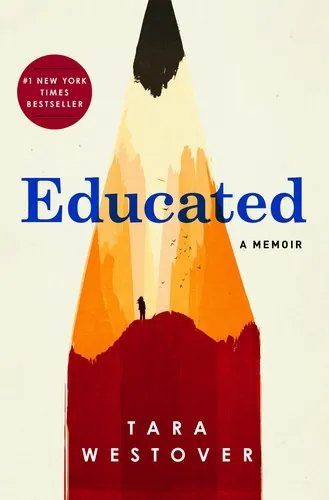
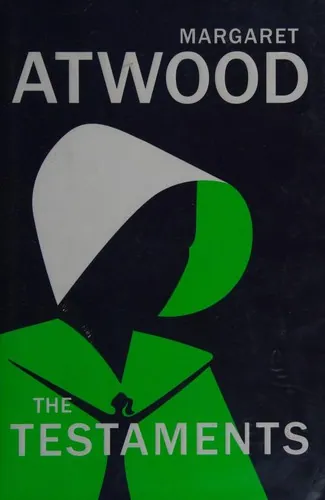
Cults in Fiction
Control, Escape, Aftermath — fiction about the mechanisms of total belief: how it is manufactured, how it is maintained, and what it leaves behind in the people it finally releases. These books know that escape is not the same as freedom.
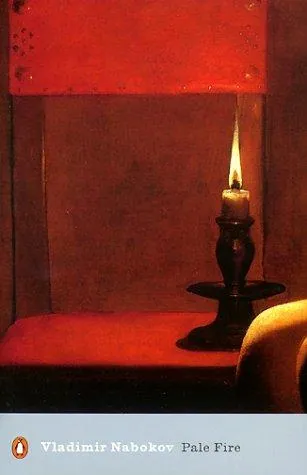
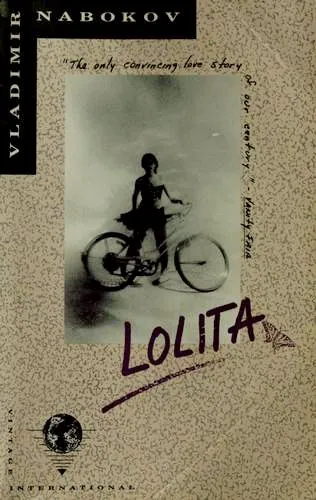
Unreliable Narrators
Nothing Is What It Seems — novels where the voice telling you the story is the thing you should trust least. Memory, madness, self-interest, grief — these narrators lie, misremember, or simply cannot see themselves. Reading them is the closest literature gets to epistemology.



Coming of Age — When Growing Up Breaks You
Adolescence as slow catastrophe — these novels refuse the comforting lie that youth is a safe harbor.


Queer Tragedy — Love, Loss, and the Cost of Being Visible
Books that refuse to erase what queer lives cost — and what they contain.

Queer Coming of Age — The Cost of Becoming Yourself
Growing up is hard. Growing up queer is a different curriculum entirely.


Motherhood in Crisis — When Love Is Not Enough
The books that tell the truth about motherhood — the terror, the ambivalence, the overwhelming love that still cannot save anyone.


Brothers and Sisters — The Bonds That Break You
Sibling love is the oldest contract and the most devastating when it fractures.


Religious Trauma — Faith That Wounds
The God that demands everything and the people who pay it.


Body Horror — What Is Done to the Flesh
Fiction that makes the body the site of every horror — political, personal, supernatural.


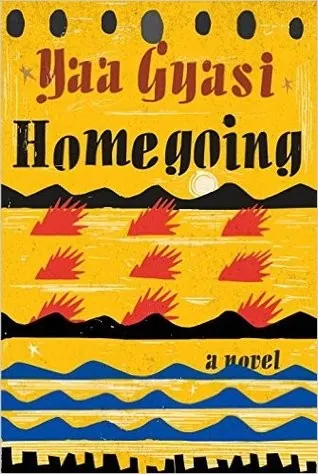
Racial Violence in America — The Accounting That Never Ends
Fiction and memoir that refuses to look away from what America has done and continues to do.


Indigenous Voices — Stolen Land, Surviving People
Stories from within Indigenous communities — not about loss as spectacle but as lived inheritance.
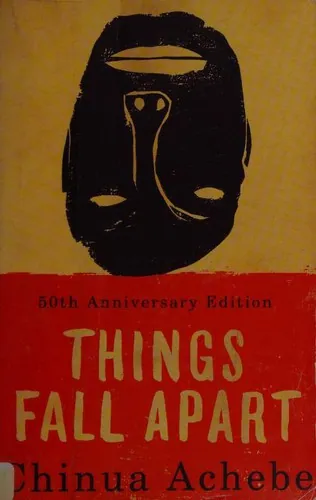


Colonialism and Its Aftermath — The Wound That Runs Forward
Fiction that reckons with empire — what was taken, what was broken, what is still being paid.


Espionage — When Loyalty Becomes a Trap
Cold War thrillers and their modern inheritors, where patriotism and betrayal become indistinguishable.


Labor and Exploitation — The Cost of Work
Books about workers — the bodies, the wages, the strikes, the silence of those who just kept going.


Gun Violence — The American Wound
Fiction and reportage that takes the school shooting as America's most specific failure.

Vietnam War — The War America Still Cannot Name
The literature of America's longest war — from the rice paddies to the VA hospital, from the evacuation to the confession.


Mythology Retold — When the Old Gods Demand New Grief
Ancient stories rewritten to include the voices the original myths silenced.



Magical Realism — The Grief That Becomes Literal
When the ordinary rules of reality bend under the weight of loss, love, and history.


Addiction — The Spiral, the Beautiful Lie, the Bottom
Fiction that goes inside addiction and refuses to simplify what it finds.


WWII Civilian Lives — The War That Happened at Home
Not the battlefield but the kitchen table, the hiding place, the choice made in an occupied city.


Generational Immigrant Trauma — What Is Carried and What Is Lost
The gap between what immigrant parents survived and what their children can understand — and what crosses anyway.

Censorship and Intellectual Freedom — What Burns When Books Burn
Novels and histories about the suppression of ideas, and the people who protected them.

Post-Colonial Africa — The Nation After the Empire
African fiction that traces what is left when the colonizers leave — and what they took with them.
Suicide and Its Aftermath — The Question That Stays
Fiction that takes suicide seriously — not as plot device but as the devastating consequence of real conditions.
Belief and Violence — When Faith Becomes Weapon
Books that examine the intersection of religious certainty and political violence — from the inside.
Multigenerational Tragedy — The Damage That Compounds
Novels that follow families across decades, watching the original wound become the inheritance.
Women's Freedom — Novels About the Rooms Women Were Locked In
Fiction about what women were denied — and what it cost them to want more than the world offered.


Elder Abuse and Neglect — The Violence of Abandonment
Books about what happens to people when they are no longer useful — the nursing home, the isolation, the children who stopped calling.

Exile and Displacement — The Country You Carry Inside You
Novels about people who cannot go back and have not yet arrived — the in-between state of the permanently displaced.
Korean Literature — The Weight of History in the Body
Fiction and memoir from Korea and the Korean diaspora — colonial occupation, division, dictatorship, and what passed through all of it into contemporary bodies.


Japanese Literature of Loss — The Grief Beneath the Surface
Japanese novels and memoirs where grief sits quiet but heavy — the surface is calm, the depths are everything.


Homicide and Its Aftermath — Who Bears the Cost of Killing
Fiction and non-fiction about what murder does to everyone it touches — victim, family, killer, community.
Grief and Time — The Calendar of Loss
Books about how time moves differently in grief — the year of firsts, the unexpected ambush of ordinary days.
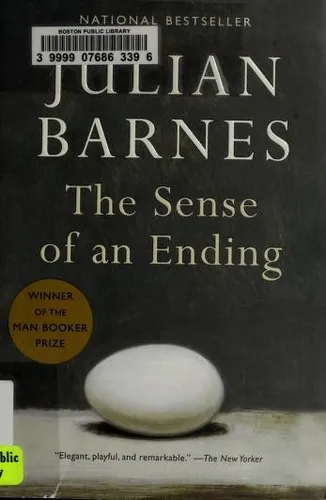

Regret — The Road Not Taken and the Price You Paid
Novels about the slow accumulation of what could have been — the choices that closed other choices, the years after.

Totalitarianism — When the State Invades the Mind
Fiction and memoir about living inside systems that require you to believe what you know to be false.

Dictatorship and Disappearance — Latin American Political Terror
The disappeared, the torture centers, the Mothers of the Plaza de Mayo — Latin American literature of state terror.


Irish Tragedy — The Island That Broke People and Kept Breaking
Irish fiction that bears the weight of the Troubles, emigration, poverty, and the particular grief of a small country with a long memory.


Russian Literature — The Weight of the Russian Soul
Russian novels that take suffering seriously — not as spectacle but as the ground condition of life inside an empire.
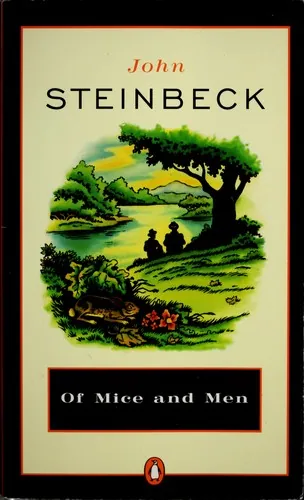
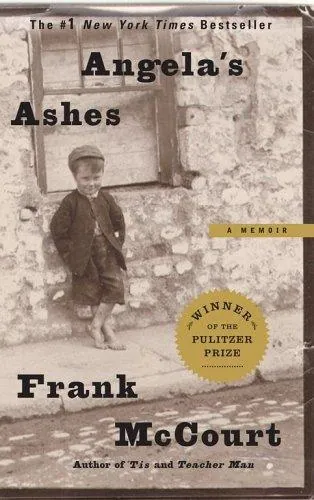
The Great Depression — When the Economy Becomes a Catastrophe
Fiction and documentary accounts from the 1930s collapse — the Dust Bowl, the breadlines, the human cost of a system's failure.
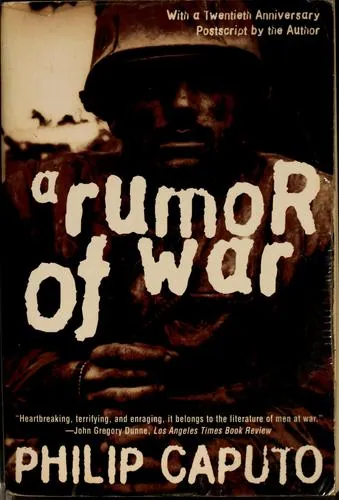
War and PTSD — The Soldiers Who Came Home
The books about what war does to people who survive it — the homecoming that is also a kind of captivity.


Spanish Civil War — The Last Good Cause and Its Betrayal
Literature of the Spanish Civil War — the idealists who went, the Republic that fell, the fascism that replaced it.

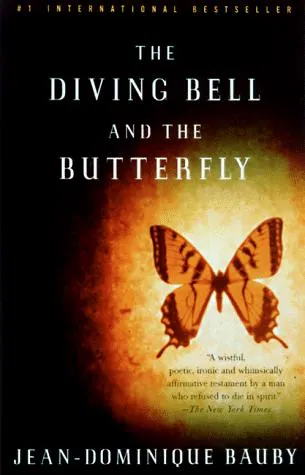
Disability and Chronic Illness — The Body as Battlefield
Books that render what it means to live in a body that the world was not designed for.
Dementia and Memory Loss — The Self That Goes Before the Body
The novels and memoirs that chart what disappears first, and what remains.


Eating Disorders — The War Inside the Body
Books that render eating disorders from the inside — the cold logic, the grief, the long road back.


Apartheid — The Architecture of Dehumanization
South African literature that documents what it means to live inside a system designed to destroy you.


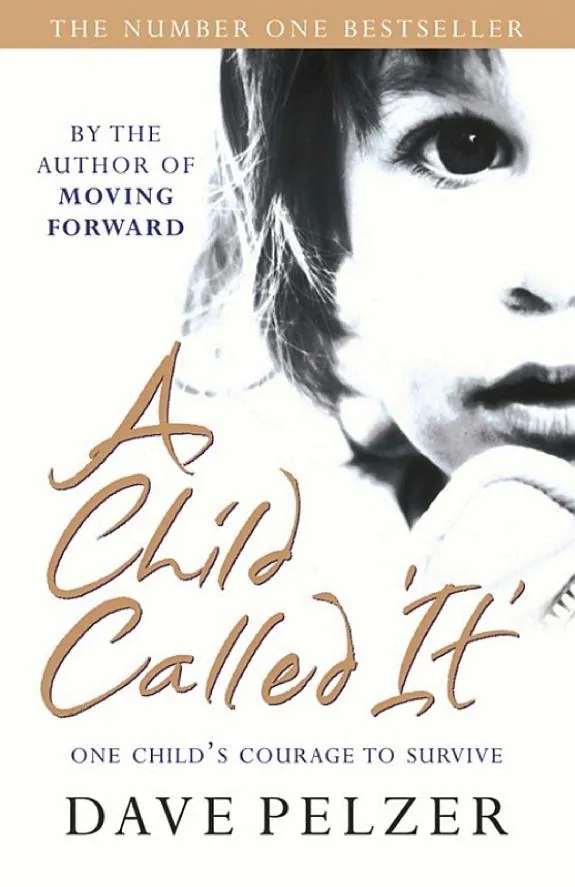
Foster Care — The State as Parent
Books about children who fell through systems designed to catch them, and what came after.


Nuclear — The Bomb, the Plant, the Long Fallout
Fiction and testimony from the age of the atom — when human ingenuity became its own catastrophe.
Occupation — Life Under the Enemy's Roof
What daily life looks like when your country has been taken — the collaboration, the resistance, the survival that is neither.

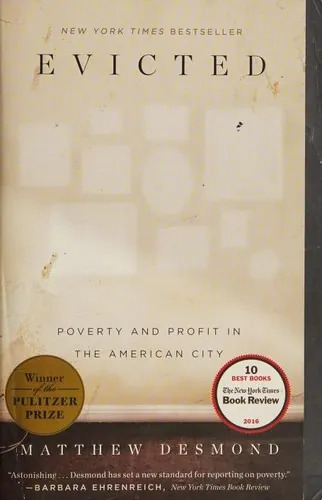

Homelessness and Poverty — What the Margins Look Like From Inside
Fiction that lives in the gap between what society promises and what it delivers.

Latin American Political Fiction — The State That Disappears People
Novels from beneath authoritarian regimes — the disappeared, the complicit, the ones who survived by luck.
Friendship Loss — The Grief Nobody Talks About
Platonic love is still love, and when it ends or when death interrupts it, the devastation is complete.


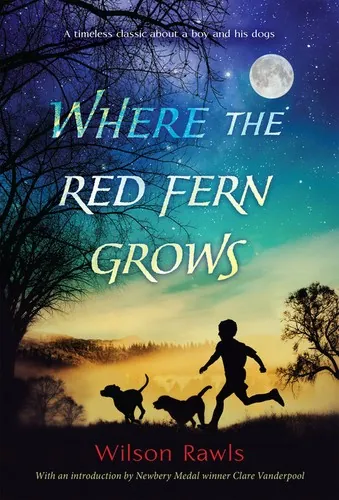
Animals and the Ethics of Care — When We Fail the Creatures We Love
Books that ask what we owe to non-human lives, and the grief of failing to pay it.

Climate Fiction — The Grief That Is Still Happening
Speculative and literary fiction about the world we are making — the heat, the water, the silence where the animals were.
Famine and Hunger — The Politics of Who Eats
Books about hunger as a political condition — who goes without and who decided that.
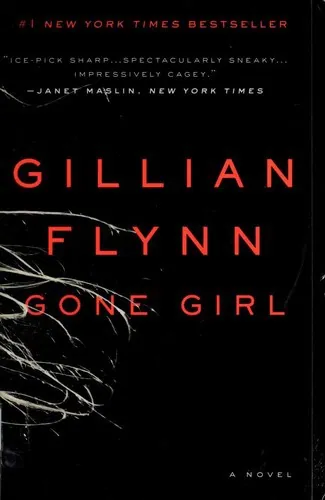
Domestic Noir — The House That Is a Crime Scene
The thriller that happens inside a marriage — the gaslit rooms, the missing pieces, the truth the family agreed not to see.
Moral Courage and Its Failure — When Watching Is the Crime
Books about the moment the choice presents itself and what happens to people who make the wrong one.

Memory and Truth — The Stories We Tell Ourselves to Survive
Novels and memoirs about unreliable memory — what the mind chooses to keep and what it chooses to revise.
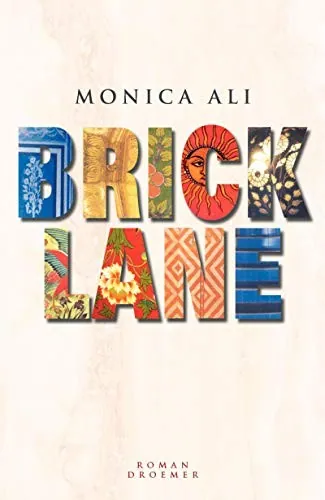
Race in Britain — The Empire Comes Home
British fiction about race, immigration, and what it means to be other in a country that built its wealth elsewhere.

Class and Wealth — The Cruelty of the Hierarchy
Fiction that makes class visible — the enormous politeness with which the wealthy destroy the poor.
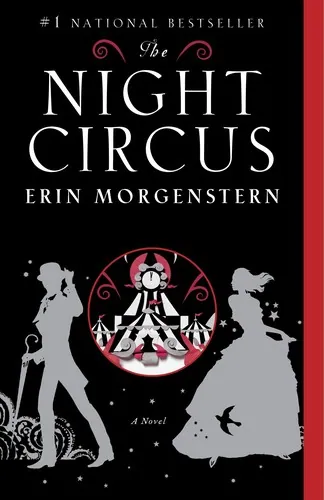
Bittersweet Wonder — When Beauty Contains Devastation
Novels that are beautiful in a way that hurts — the magic that costs, the wonder that cannot last.
Not sure what to read?
Answer 5 questions and we'll match you to the list that will hurt you the most.
Non-Fiction (48 lists)
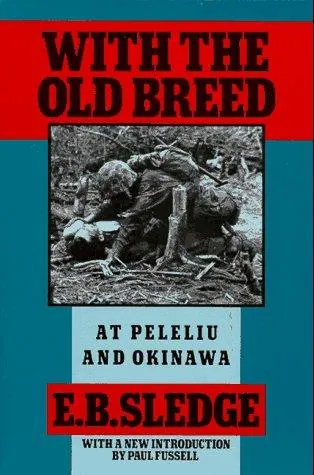


War Memoirs — The Truth They Don’t Teach
First-hand accounts from the trenches, the jungles, and the deserts — soldiers, correspondents, and survivors who wrote down what they saw before they could forget it or sanitise it. These books are not about heroism. They are about what heroism costs.
Grief Memoirs — Writing Through the Unbearable
Memoirs written from inside the worst year of someone’s life — the death of a spouse, a child, a parent — by writers who refused to let grief be private. These books are not about recovery. They are about endurance.
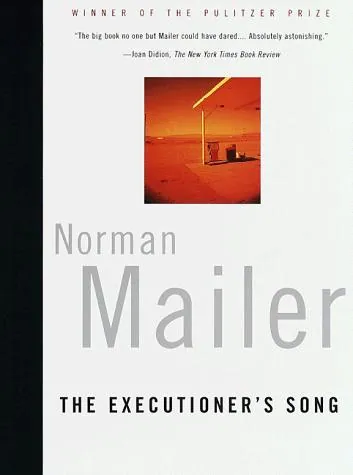
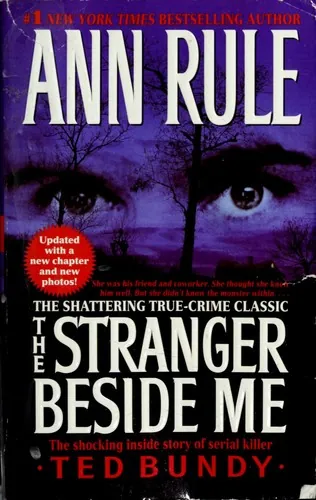
True Crime — The Cases That Changed Everything
The murders, the investigations, the trials, and the obsessions that followed. These books go beyond the crime itself to examine what it revealed about the systems, the communities, and the individuals who were supposed to prevent it.
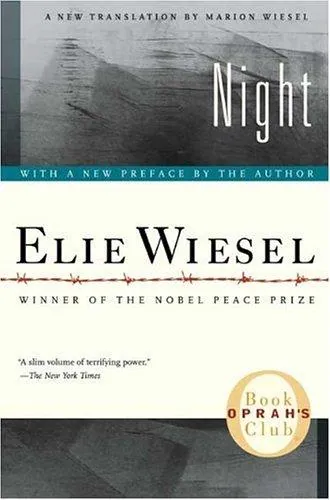
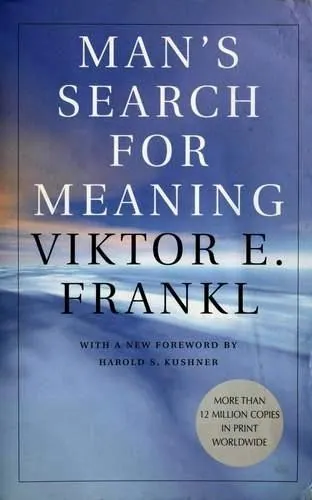
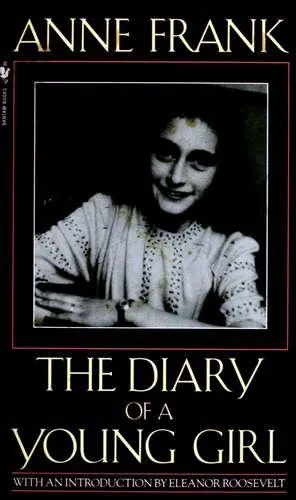
Holocaust Accounts — Never Again, Again
Testimonies, memoirs, and analyses of the Holocaust — the mechanised destruction of six million Jews documented by survivors, historians, and philosophers who refused to let the world forget. These books are evidence. Handle them accordingly.


Slavery Narratives & the Long Shadow of Race
First-person accounts of enslavement and the systemic racism that followed abolition — from the plantation to the prison, from Jim Crow to mass incarceration. These books trace a line from 1619 to now and ask whether it has ever really been broken.
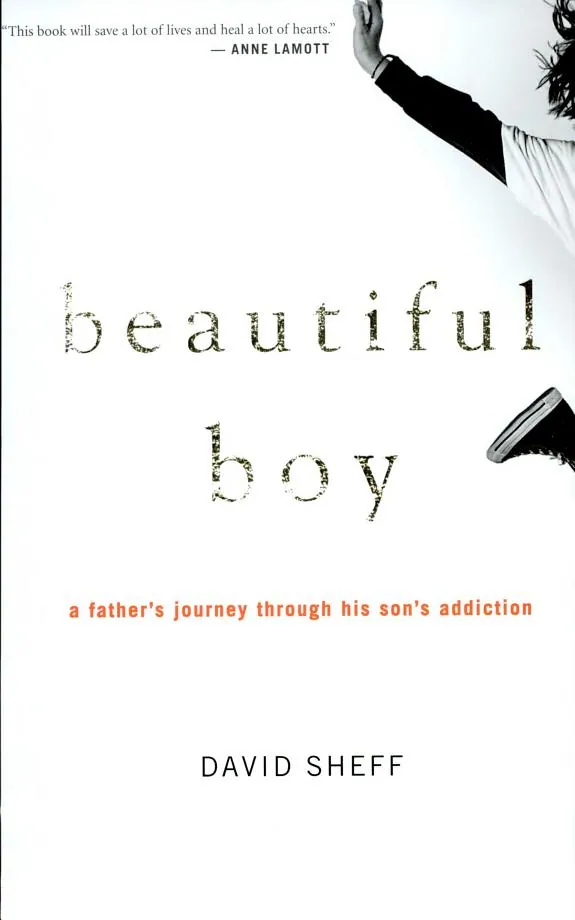
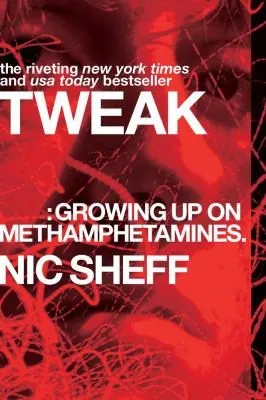
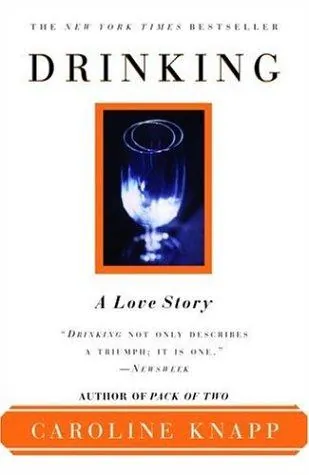
Addiction Memoirs — The Spiral, The Bottom, The Aftermath
Memoirs from inside the dependency — the drink, the needle, the pill, the system that profits from all three. These books don’t romanticise addiction or package recovery as redemption. They document what it costs and who pays.
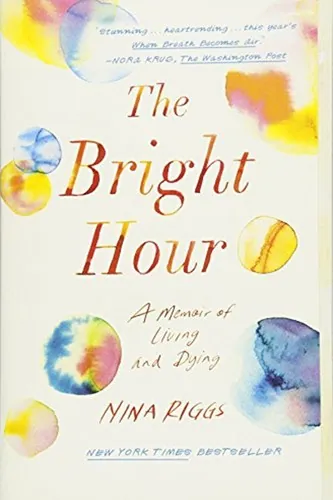
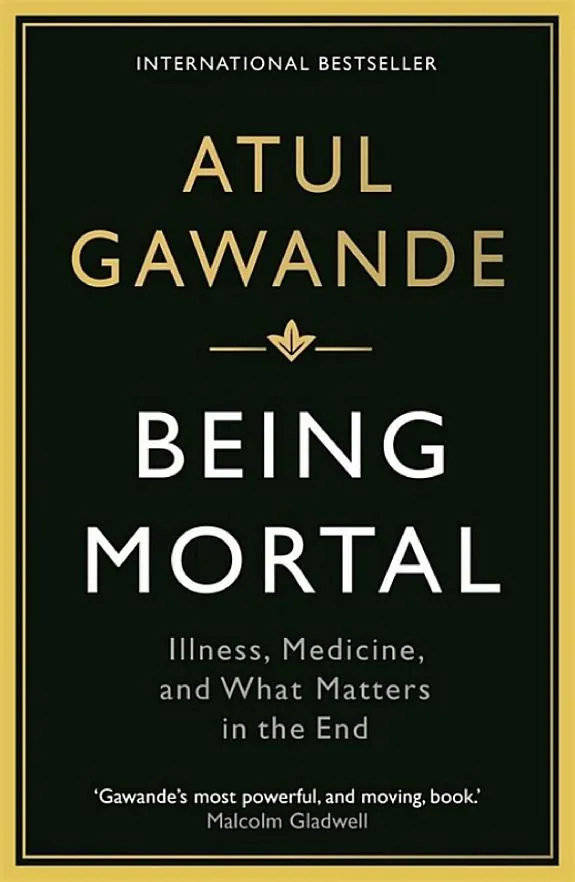
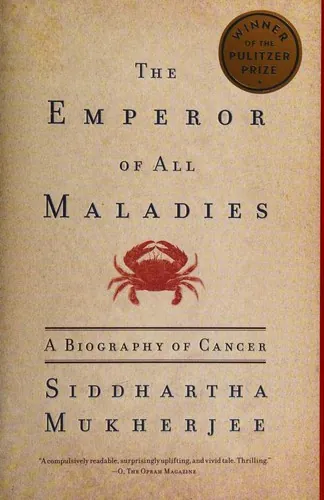
Terminal Illness — Writing Against the Clock
Memoirs written by people who knew they were dying, or by the doctors who watched them die. These books are about what happens to meaning, identity, and love when time becomes finite in a way it wasn’t before. Every page is borrowed.
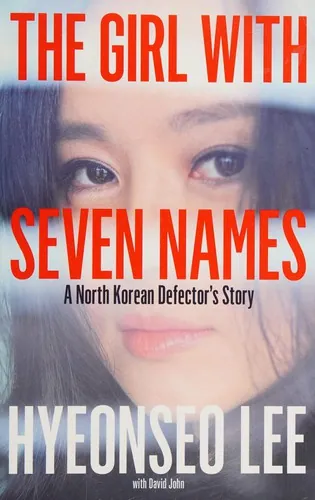
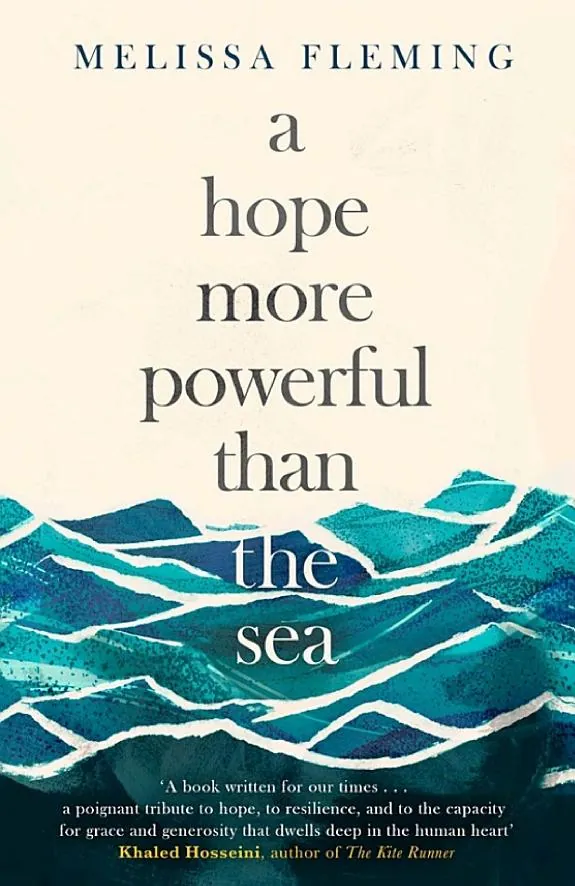
Refugee Stories — Displacement, Survival, and the Myth of Home
Accounts of flight, exile, and the permanent condition of being from somewhere that no longer exists. These books refuse the comfortable narrative of the grateful refugee. They document what was lost, what was endured, and what no new country can replace.
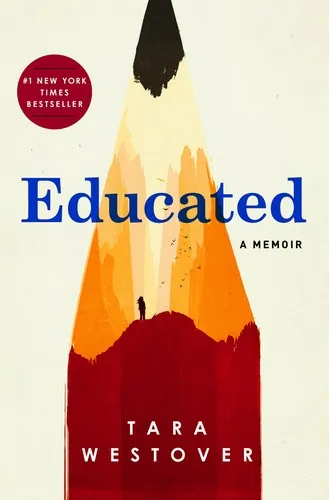
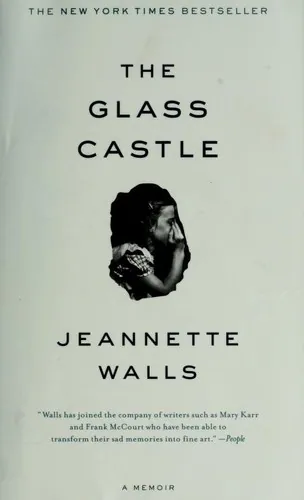
Abuse Survivor Memoirs — Breaking the Silence
Memoirs by people who survived domestic violence, childhood abuse, and sexual assault — and found the language to describe what happened to them. These books are acts of testimony. They are uncomfortable because they are true.
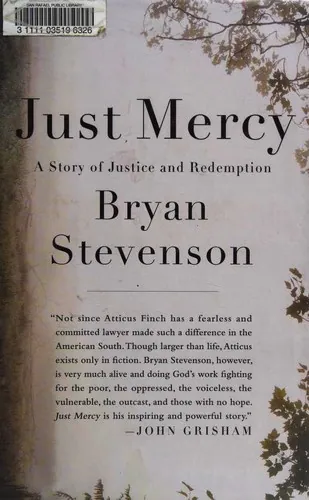
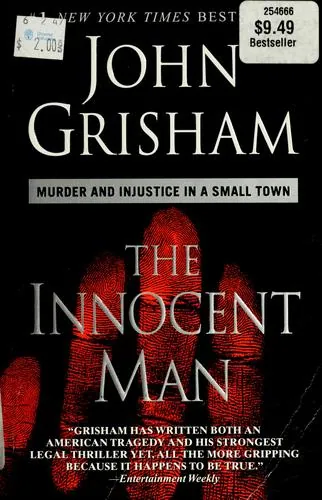
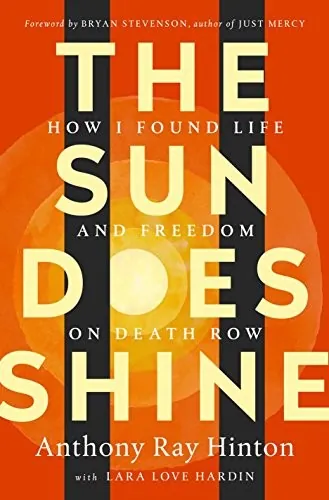
Wrongful Conviction — Justice Denied
Accounts of people imprisoned for crimes they did not commit — the broken forensics, the coerced confessions, the eyewitness failures, and the prosecutors who hid evidence. These books examine a justice system that would rather be final than correct.
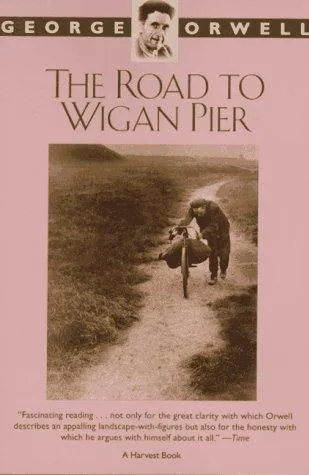
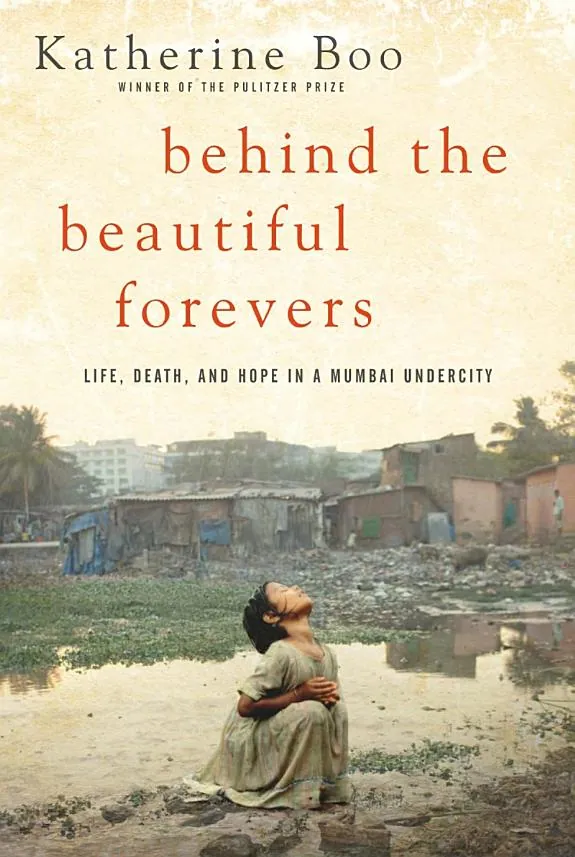
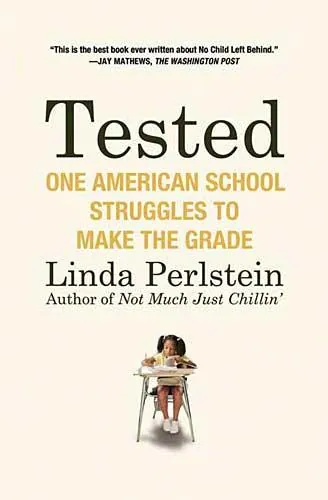
Famine, Poverty & the Cost of Survival
The Arithmetic of Not Enough — accounts of systemic poverty, hunger, and the invisible people left to fail by the economies built above them. These books don't sentimentalise deprivation. They name its causes, document its mechanisms, and refuse to let the reader look away.
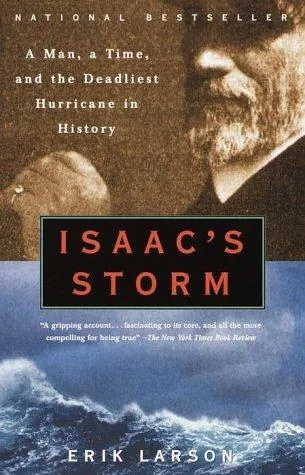
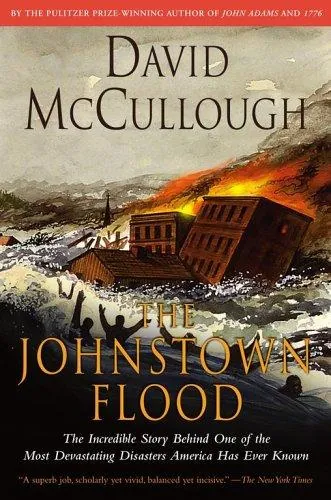
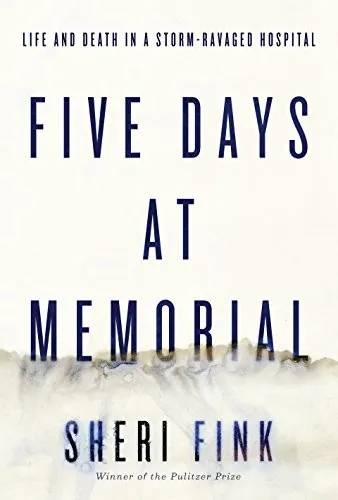
Natural Disasters & the World We Built to Fail
The Earth Doesn't Care — accounts of hurricanes, floods, heat, and rising seas that expose not nature's indifference but our own. Every disaster in these books has a human dimension: who was warned, who was abandoned, and who decided the cost of prevention was too high.
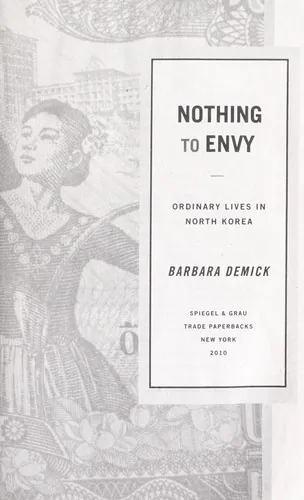
Political Prisoners & the Architecture of Control
Inside the System — memoirs and testimonies of people imprisoned, silenced, or erased by states that could not tolerate their existence. Each book is an act of survival against the forces that tried to ensure these voices would never be heard.
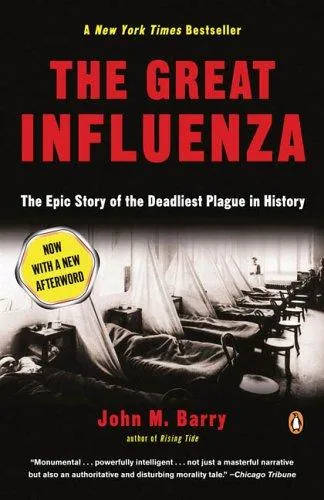
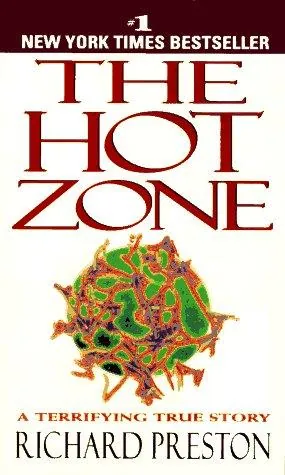
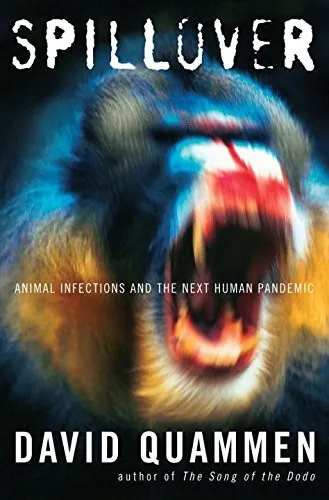
Pandemic: Disease, Silence & the Failure of Institutions
The Invisible Enemy — dispatches from inside epidemics and the systems that failed to contain them. These books are about the biology of contagion and the politics of denial — the viruses that jumped species, the governments that looked away, and the scientists who saw what was coming and could not make anyone listen.
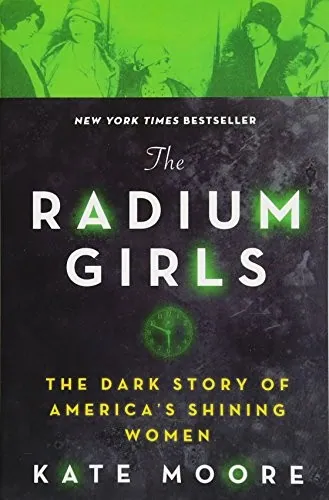
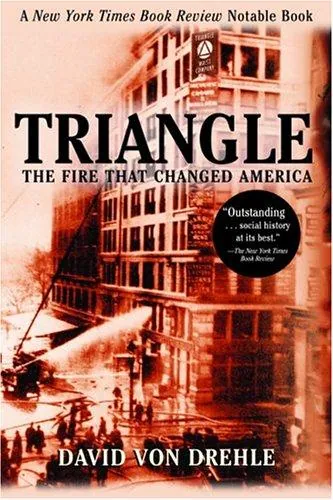
Industrial Disasters & the Price of Progress
The Machine Breaks — accounts of the catastrophes that happen when industry puts profit before safety, when the warnings are ignored, and when the people closest to the danger are the last to be protected. These books follow the radiation, the fire, and the liability suits all the way down.

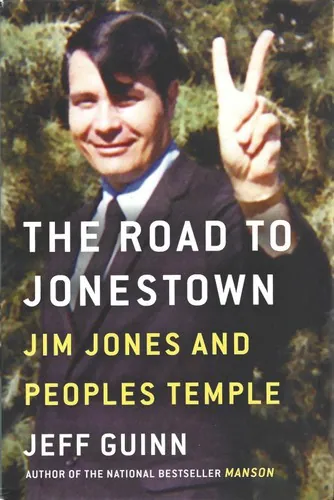
Cult Survivors & the Architecture of Belief
The Closed World — memoirs of people who were born into or recruited by high-control groups and found their way out. These books map the mechanisms of isolation, obedience, and manufactured devotion — and the extraordinary cost of choosing to leave.

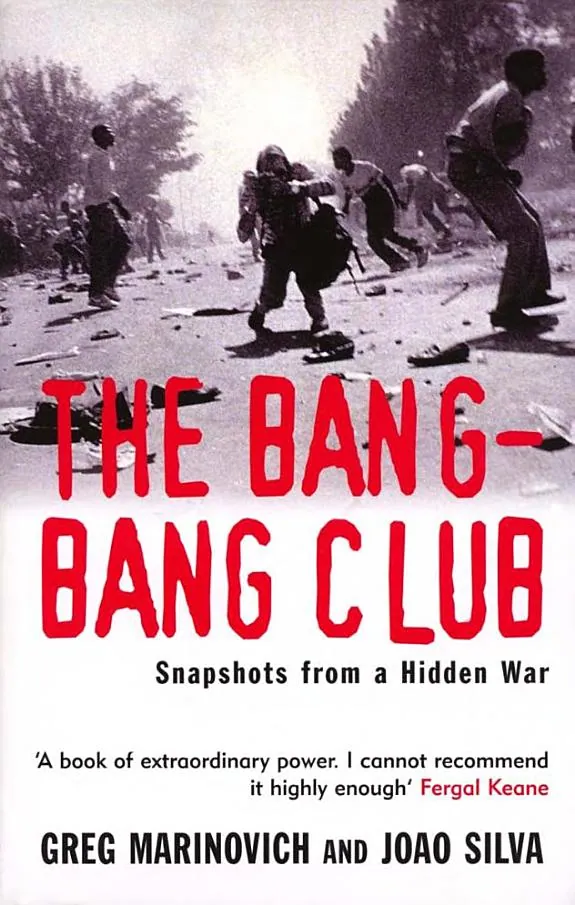
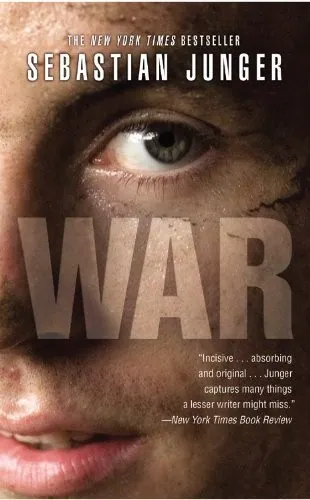
War Journalism: Bearing Witness at the End of the World
From the Field — dispatches by reporters, photographers, and embedded observers who went where the dying was happening and wrote it down. These books are about what war does to its witnesses as much as its victims — the addiction to adrenaline, the impossibility of detachment, the words that don't come back with you.
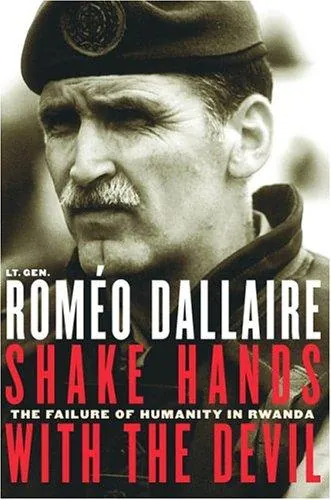
Genocide: The Evidence, the Failure, the Names
The Century's Worst Crime — accounts of organised mass killing from Rwanda to the Congo, the Holocaust to the Soviet bloodlands. These books refuse to let atrocity remain abstract. They name the perpetrators, document the mechanisms, and insist that the bystanders — the governments, the newspapers, the UN Security Council — also be held to account.
Environmental Destruction & the World We Are Ending
The Long Emergency — accounts of ecological collapse, climate catastrophe, and the systematic destruction of the natural world. These books document what was lost, what is being lost now, and the political and industrial forces that chose to make it happen.


Medical Malpractice & the Limits of Care
The Body Under the System — accounts of what happens when medicine fails: the fraudulent technology, the addictive drugs, the cultural incomprehension, the corporate corruption. These books examine healthcare not as a calling but as an institution — one with its own incentives, its own blind spots, and its own capacity for harm.


Civil Rights — The Movement and Its Cost
Books about the fight for equality in America and what it extracted from those who fought it.


More Grief Memoirs — Writing Through the Unbearable
More of the genre that proves grief has no correct shape — only its particular weight.

Mental Health Memoirs — The Inside Account
First-person testimony from inside depression, bipolar disorder, schizophrenia, and the systems built to treat them.

Queer Non-Fiction — The Life That Dared to Be Documented
Memoirs, essays, and testimony from queer lives — the ones that were lived in defiance of every expectation.


Survival at the Edge — When Nature Decides
Books about humans pushed past every limit — sea, ice, mountain, desert — and what survival costs.

True Crime — Systems, Failures, and the People They Consumed
The cases where the crime is inseparable from the institutions that made it possible.
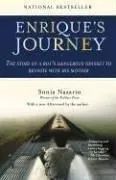

Deportation and Borders — The Violence of the Line
Books about what happens at the border, in the detention center, and in the years after crossing.
Apartheid Testimony — The Record That Cannot Be Revised
Non-fiction accounts of apartheid South Africa — from those who lived under it, fought it, and were broken by it.



Sexual Assault — The Silence After
Fiction and memoir that names what was done and refuses the narrative that survivors should be grateful for surviving.
Cold War — The Long Catastrophe of Competing Certainties
History and memoir from the long standoff — the intelligence failures, the proxy wars, the ideology that consumed millions.

Facing Death — Literature for the Dying and Those Who Love Them
Books that go into the room where death is and stay there long enough to learn something.

Infertility and Miscarriage — The Grief That Waits
Books about the loss that is invisible to everyone else — what is grieved before it is held.
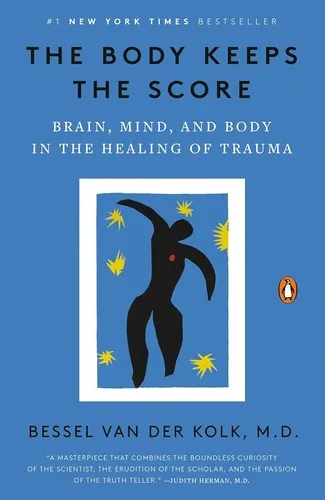
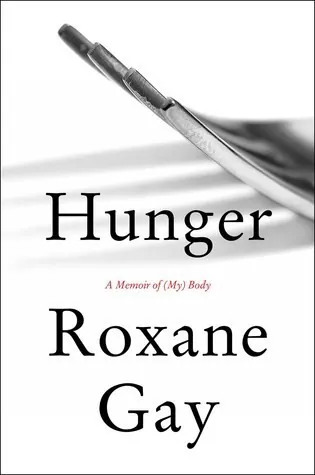
The Body — What It Carries, What It Costs
Non-fiction about the body as the site of trauma, illness, identity, and survival.
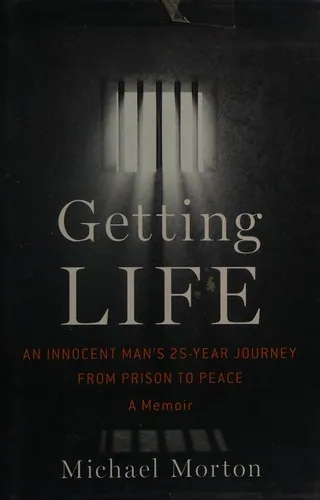
Prison — The Architecture of Punishment
Non-fiction about mass incarceration, the carceral state, and the lives consumed by both.
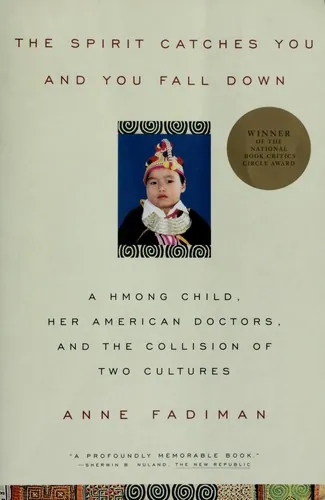

Medicine and Its Failures — The Gap Between Care and Cure
Books that examine the medical encounter from both sides of the bed — the limits of knowledge, the weight of the decision.
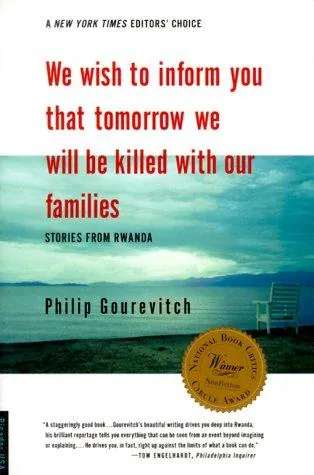
Bearing Witness — Journalism at the Edge of Everything
Writers who went to the worst places and sent back dispatches — and what it cost them to do it.
More Addiction Memoirs — Every Rock Bottom Has a Basement
First-person accounts of addiction from those who lived to write about it — and some who barely did.
Homelessness and Displacement — The World That Passes By
Fiction and reportage about people living outside the structures society pretends are available to all.
Extremism and Radicalization — How Ordinary People Find Certainty
Books that trace the path from grievance to fanaticism — the cults, the movements, the ordinary people who joined them.

Science and Ethics — When Knowledge Becomes Complicity
Books about the moment science stops being neutral — the experiment, the drug trial, the bomb.
Anti-Colonial Non-Fiction — The Case Against Empire
History, memoir, and journalism that documents colonialism not as a historical phase but as an ongoing condition.
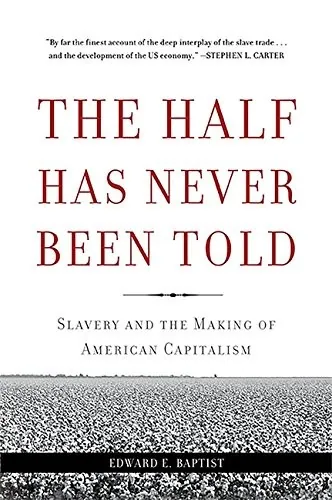
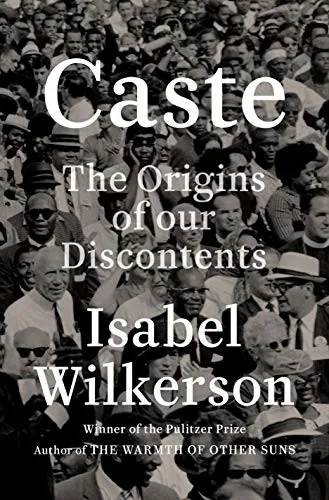
Slavery's Long Shadow — History That Lives in the Present
Non-fiction that traces the line from chattel slavery to the present — the unbroken thread.
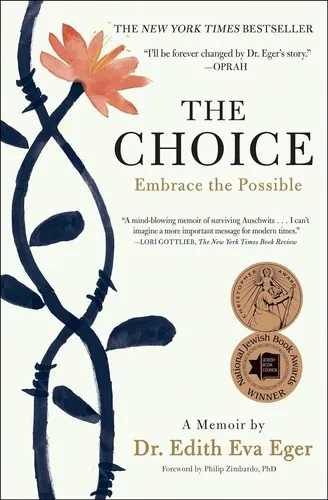
Trauma — The Science and the Story
Non-fiction that bridges the clinical and the personal — what trauma does to the body, the brain, and the years.

Books for the Grieving — Not Self-Help, Just Witness
Books that do not fix grief but sit with it — the ones you give someone who has lost something real.
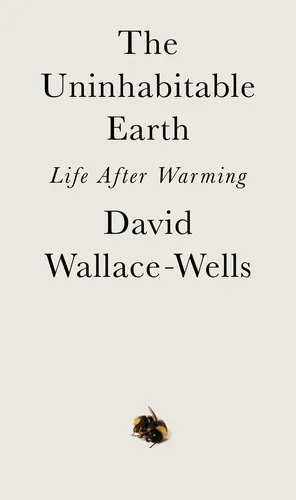
Climate Non-Fiction — The Evidence of the Catastrophe
The books that document what is happening to the planet — not as future threat but as present emergency.

Trafficking and Exploitation — The Bodies the System Discards
Books that refuse to reduce trafficking to statistics — the girls, the pipelines, the survivors who built something from the wreckage.
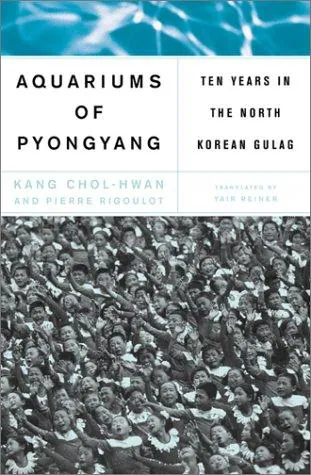
North Korea — Life Inside the Most Closed Country on Earth
Testimony from defectors and journalists — the famine, the camps, the state that demands you love your captivity.

Pregnancy Loss and Infant Grief — The Grief Nobody Prepared You For
Books about miscarriage, stillbirth, and infant loss — the grief that happens in silence and without a script.
Monthly Tragic Picks
One email a month. Hand-picked books guaranteed to wreck you emotionally. No spam, no filler.