← All Lists

Indigenous Voices — Stolen Land, Surviving People

Stories from within Indigenous communities — not about loss as spectacle but as lived inheritance.

10 books 4.4 avg devastation fiction

This page contains affiliate links. If you buy a book through one of these links, we earn a small commission at no extra cost to you. Full disclosure →

There There

Tommy Orange

Existential Dread

Orange builds toward a powwow and a massacre with twelve converging voices, each carrying a different fragment of urban Native American experience. The title is Gertrude Stein on Oakland but Orange makes it an elegy for everywhere that was taken. The ending arrives like something you knew was coming and could not prevent.

Native American urban violence identity

The Marrow Thieves

Cherie Dimaline

Emotionally Ruined

In a near-future Canada devastated by climate change, Indigenous people are hunted for their bone marrow — the only population that can still dream. Dimaline uses speculative fiction to make literal what colonialism has always done: harvest Indigenous bodies for settler survival.

Indigenous dystopia Canada colonialism

Ceremony

Leslie Marmon Silko

Emotionally Ruined

Tayo returns from World War II broken in ways that Western medicine cannot reach. Silko weaves Laguna Pueblo ceremony through the novel as literal healing — not metaphor but medicine. The land is not backdrop; it is participant. The novel demands you read it at the pace of ceremony.

Native American PTSD war healing

The Night Watchman

Louise Erdrich

Emotionally Ruined

Based on her grandfather's fight against the Termination Act, Erdrich writes legislative genocide with the patience of someone who has watched it happen over generations. The bureaucratic evil here is not spectacular — it is paperwork, and that is the point.

Native American colonialism politics 1950s

The Round House

Louise Erdrich

Emotionally Ruined

Joe is thirteen when his mother is attacked, and the jurisdiction question — which court has authority over a crime committed at a jurisdictional boundary — is what lets the attacker go free. Erdrich makes legal abstraction into lived devastation. Joe's vengeance is not justice and the novel knows it.

Native American justice rape coming of age

Tracks

Louise Erdrich

Emotionally Ruined

Erdrich's earliest Chippewa novel follows the decimation of a community through disease, assimilation policy, and the theft of land. Two narrators tell opposite versions of the same catastrophe. Fleur Pillager is one of the great figures of American fiction — she survives but the survival is its own cost.

Native American colonialism land women
Emotionally Ruined

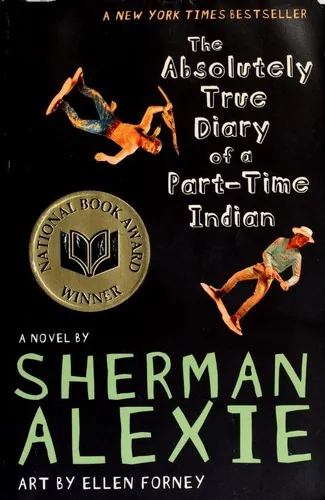
Junior leaves the reservation for the white school and loses everyone on both sides. Alexie writes the impossibility of that position with furious, funny, heartbreaking honesty. The cartoons are part of the grief. The deaths accumulate. A YA novel that does not protect you.

poverty injustice literary fiction loss family

The Poisonwood Bible

Barbara Kingsolver

Existential Dread

Nathan Price takes his wife and four daughters to the Congo in 1959 to save souls and destroys everything he touches. Kingsolver gives each female voice its own grammar — Ruth May's is the most devastating. The mission is the colonialism and the colonialism is the marriage. Nothing survives intact.

Congo missionary colonialism family

Homegoing

Yaa Gyasi

Existential Dread

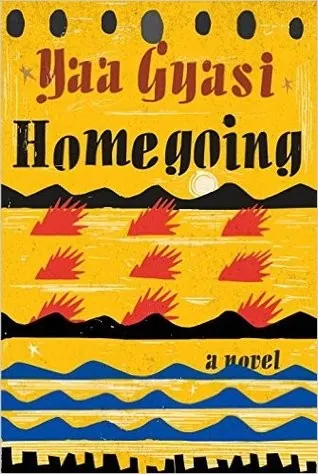
Two half-sisters in eighteenth-century Ghana take divergent paths — one into a slave-trading marriage, one into slavery itself — and Gyasi follows each lineage chapter by chapter across three centuries. Each generation inherits a different version of the same wound. The structure is the argument. Gyasi never moralises; she simply follows the inheritance across generations and lets it speak for itself.

historical injustice family trauma

Monthly Tragic Picks

One email a month. Hand-picked books guaranteed to wreck you emotionally. No spam, no filler.