← All Lists

Generational Immigrant Trauma — What Is Carried and What Is Lost

The gap between what immigrant parents survived and what their children can understand — and what crosses anyway.

10 books 4.3 avg devastation fiction

This page contains affiliate links. If you buy a book through one of these links, we earn a small commission at no extra cost to you. Full disclosure →

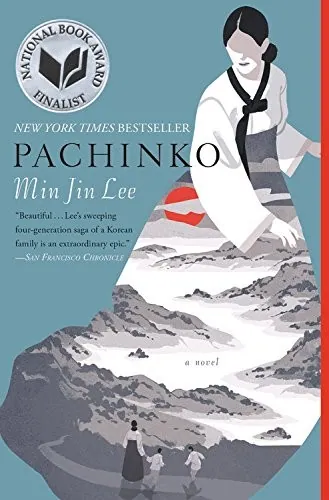
Pachinko

Min Jin Lee

Existential Dread

Four generations of a Korean family in Japan, where they will never be Japanese regardless of how many generations pass. Lee traces the cost of that exclusion through a century of Korean history without a single false note of consolation. Sunja's sacrifice is the foundation every subsequent generation builds on and does not know about.

Korea Japan generations immigration
Emotionally Ruined

Four mothers, four daughters, stories that travel between 1940s China and 1980s San Francisco. Tan makes the gap between generations into a series of untranslatable inheritances — trauma the mothers cannot articulate and daughters cannot understand they are carrying. The stories that are finally told arrive too late and exactly on time.

immigration China mothers daughters

The Namesake

Jhumpa Lahiri

Emotionally Ruined

Gogol Ganguli resents his name his entire childhood and only discovers its weight when it is too late. Lahiri traces the gap between immigrant parents and their American children — the grief of each generation for what the other cannot understand. The train accident that begins everything is never explained and does not need to be.

immigration India identity family

Americanah

Chimamanda Ngozi Adichie

Ugly Crying

Ifemelu and Obinze are separated by continents and economic migration and American race — a category that Nigerians only become when they arrive. Adichie is precise about what assimilation demands and what it cannot touch. The blog posts Ifemelu writes about race are funnier and more honest than most published commentary.

Nigeria immigration race love
Emotionally Ruined

Written as a screenplay with stage directions, Yu's novel is about being Generic Asian Man in a world that cannot offer a more specific role. The form is the argument — the casting of Asian Americans into background scenery is structural. When Willis Wu finally gets a close-up, you understand what it costs.

Asian American race identity form
Emotionally Ruined

Margot returns to LA to find her Korean immigrant mother dead, her apartment undisturbed, her death unexplained. The mystery is also an excavation — Mina's story, withheld from her daughter, is the other half of the novel. Kim writes mother-daughter silence as the Korean American condition: what is not said because there is no language that crosses both worlds.

Korean American immigration mother grief

Crying in H Mart

Michelle Zauner

Existential Dread

Zauner's mother died of cancer and the memoir is organized around food — Korean food, the cooking her mother did, the H Mart where Zauner goes to feel her presence. The grief is so specific it becomes universal. The chapter where she eats a meal her mother made for the last time will not leave you.

memoir grief Korean American mother

Monthly Tragic Picks

One email a month. Hand-picked books guaranteed to wreck you emotionally. No spam, no filler.