The definitive account of April 26, 1986 — the reactor operators who didn't understand what was happening, the firefighters sent into lethal radiation, the bureaucrats who lied. Higginbotham spent ten years in the archives and with survivors. The result is a thriller with the terrible advantage of being true. The Soviet system killed these people as surely as the reactor. The secrecy made it worse.
Industrial Disasters & the Price of Progress
The Machine Breaks — accounts of the catastrophes that happen when industry puts profit before safety, when the warnings are ignored, and when the people closest to the danger are the last to be protected. These books follow the radiation, the fire, and the liability suits all the way down.
This page contains affiliate links. If you buy a book through one of these links, we earn a small commission at no extra cost to you. Full disclosure →
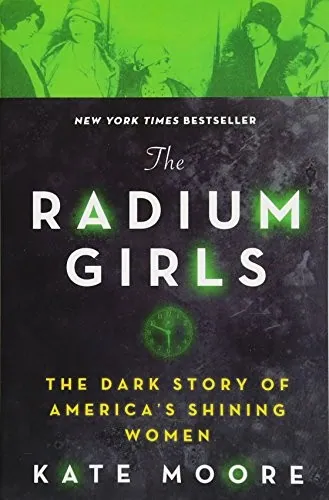
Young women painted watch dials with radium paint in the 1920s and were told to lick their brushes to a fine point. When their jaws began to fall apart, when their bones glowed in the dark, the corporations buried the evidence. Moore follows the women who sued anyway, in pain, with their teeth dissolving, and won. Their legal victories created occupational safety law. Their suffering created it.
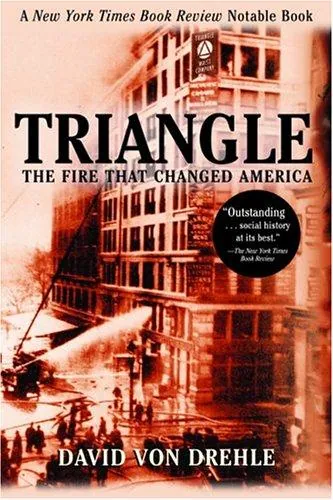
Triangle: The Fire That Changed America
David Von Drehle
On March 25, 1911, 146 workers — mostly young immigrant women — died in the Triangle Shirtwaist factory fire because the doors were locked from outside. Von Drehle traces the fire from its cause through its political aftermath, which included the labour laws that shaped modern America. The owners were acquitted. The industry lobby has never stopped winning. These women died for gains we are now watching be unmade.
Normal Accidents: Living with High-Risk Technologies
Charles Perrow
Perrow's argument, made with sociological precision, is that in sufficiently complex and tightly coupled systems, catastrophic accidents are not aberrations but inevitable outcomes — 'normal accidents'. He wrote it after Three Mile Island. His framework predicted Chernobyl, Challenger, the Deepwater Horizon. If we understood this book we would build differently. We don't, and we don't.
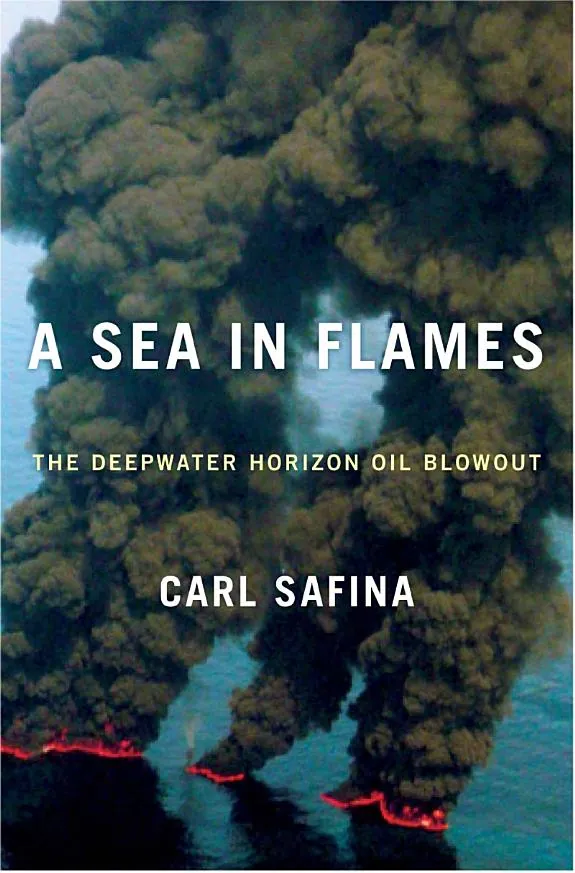
Safina watched the Gulf of Mexico die in real time and his rage is ecological, personal, and precise. Eleven men died on the rig; the Gulf ecosystem bled for months. He tracks the disaster through the corporate denials, the inadequate response, the long underwater plumes of oil that government scientists were forbidden to confirm. A love letter to a sea being killed by indifference dressed as commerce.
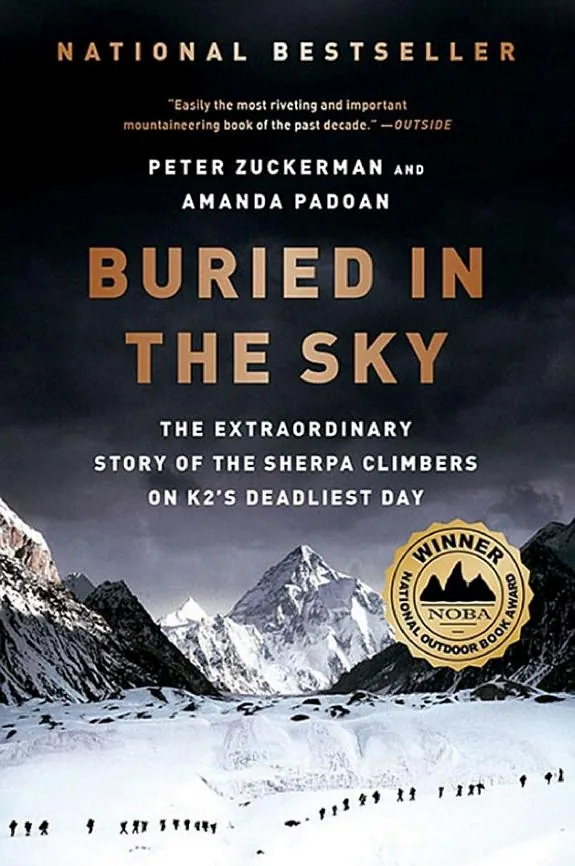
Buried in the Sky: The Extraordinary Story of the Sherpa Climbers on K2's Deadliest Day
Peter Zuckerman and Amanda Padoan
On August 1, 2008, eleven climbers died on K2 in a single day. Zuckerman and Padoan reconstruct the disaster through the eyes of the Sherpa who survived — workers largely invisible in the heroic narratives Western climbers tell about themselves. The mountain killed without distinction, but the story of who was there and why is a story about the economics of risk and the hierarchy of whose death gets mourned.
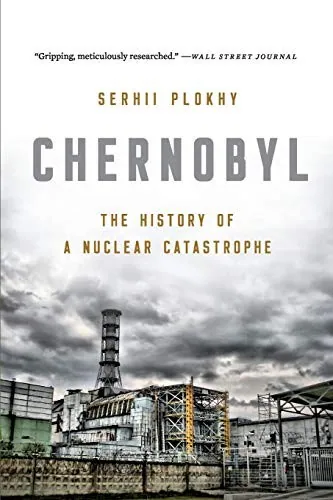
Chernobyl: History of a Nuclear Catastrophe
Serhii Plokhy
Plokhy approaches Chernobyl as a historian of the Soviet empire and finds a disaster that was not merely technical but civilisational — the reactor failure exposed every fault line in a system already dying. The lies told to operators, to firefighters, to the world, were not incidental but structural. This book and Higginbotham's account are best read together. Together they constitute an elegy for a system that could not survive its own secrets.
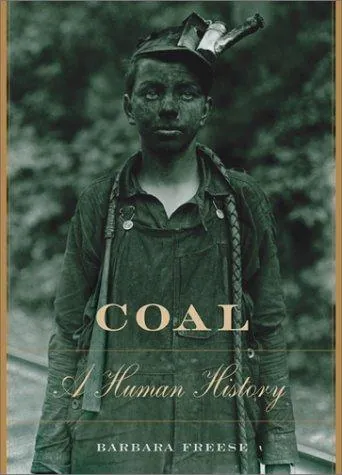
Coal: A Human History
Barbara Freese
Freese traces coal from the first English miners to the black lung wards of Appalachia and the smogs of industrial London, demonstrating that the human cost of the fuel that built the modern world was always known and always discounted. The miners whose lungs it took were never the ones who weighed the costs. A history of energy as a history of who gets to decide whose health is expendable.
Fire in the Blood: The Epic Tale of How Affordable Generic Drugs Were Kept from the World's Poorest Patients
Jeremy Greene and Bhaven Sampat
Greene and Sampat document the legal and corporate architecture that kept AIDS drugs from sub-Saharan Africa during the height of the epidemic — patent law weaponised against dying people. The pharmaceutical companies knew what was happening. The trade agreements made it possible. The activists who broke through are the only figures in this story who behave well, and they very nearly lost.
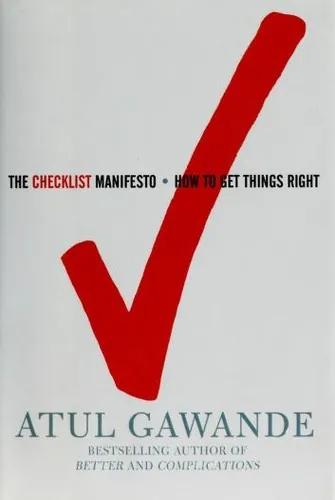
The Checklist Manifesto: How to Get Things Right
Atul Gawande
Gawande's argument is devastating in its simplicity: most avoidable deaths in surgery happen not from ignorance but from failure to execute what is already known. The aviation industry solved this with checklists; medicine refused to, out of professional pride. He introduces the WHO surgical checklist and documents lives saved. The subtext is never stated directly but is everywhere: how many died before this in the name of expertise?
Related Lists
Natural Disasters & the World We Built to Fail
The Earth Doesn't Care — accounts of hurricanes, floods, heat, and rising seas that expose not nature's indifference but our own. Every disaster in these books has a human dimension: who was warned, who was abandoned, and who decided the cost of prevention was too high.
Famine, Poverty & the Cost of Survival
The Arithmetic of Not Enough — accounts of systemic poverty, hunger, and the invisible people left to fail by the economies built above them. These books don't sentimentalise deprivation. They name its causes, document its mechanisms, and refuse to let the reader look away.
Medical Malpractice & the Limits of Care
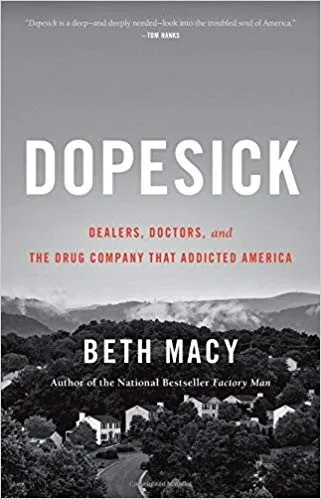
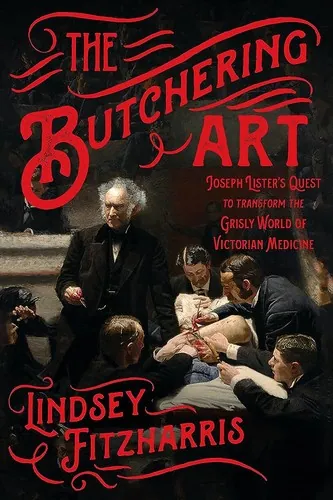
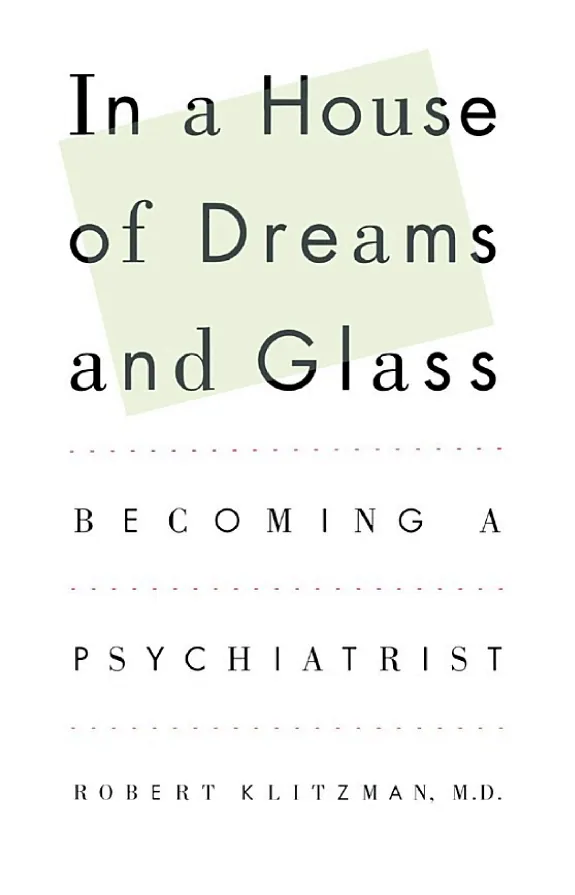
The Body Under the System — accounts of what happens when medicine fails: the fraudulent technology, the addictive drugs, the cultural incomprehension, the corporate corruption. These books examine healthcare not as a calling but as an institution — one with its own incentives, its own blind spots, and its own capacity for harm.
Monthly Tragic Picks
One email a month. Hand-picked books guaranteed to wreck you emotionally. No spam, no filler.