← All Lists

Books Set in Prisons — Captivity and Survival

The carceral experience from the inside — what captivity does to the body, the mind, and the particular human insistence on dignity in its absence.

10 books 4.3 avg devastation fiction

This page contains affiliate links. If you buy a book through one of these links, we earn a small commission at no extra cost to you. Full disclosure →

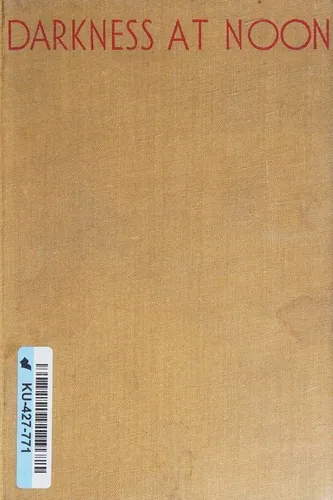
Darkness at Noon

Arthur Koestler

Existential Dread

Rubashov is an old Bolshevik in a Soviet prison, and Koestler makes him argue himself into his own death sentence. The interrogation is the most chilling intellectual exercise in political fiction — a man whose logic is used against him by a system he helped to build. Philosophy as self-destruction.

political philosophical prison literary fiction injustice
Rita Hayworth and Shawshank Redemption

Stephen King

Ugly Crying

King writes hope in a place designed to extinguish it, and Andy Dufresne's quiet, patient endurance is more frightening than anything in King's horror work. Red's narration carries the weight of decades wasted, and the ending earns its hope because the novel has not flinched from what prison actually does to people.

prison survival injustice literary fiction friendship

Papillon

Henri Charrière

Emotionally Ruined

A man wrongfully convicted escapes Devil's Island repeatedly and what emerges is not heroism but a portrait of the human will to refuse captivity when every institution is designed to break it. Charrière writes survival as the only meaningful act, and the brutality of the penal system is the real subject.

prison survival injustice literary fiction

The House of the Dead

Fyodor Dostoevsky

Emotionally Ruined

Dostoevsky in Siberia, fictionalised just enough to survive publication. The prison is not a place of redemption — it is a machine for humiliation, and the men inside it are both the products and the victims of the same society. The closest thing to first-person testimony that the nineteenth century has about what captivity means.

prison survival literary fiction injustice historical
In the Belly of the Beast

Jack Henry Abbott

Existential Dread

Letters from a man who had spent almost his entire life behind bars, and they read like dispatches from a country that shares a border with ours but operates on different physical laws. Abbott's violence is inseparable from the violence done to him, and that equation is the most uncomfortable thing the book delivers.

prison trauma injustice literary fiction survival

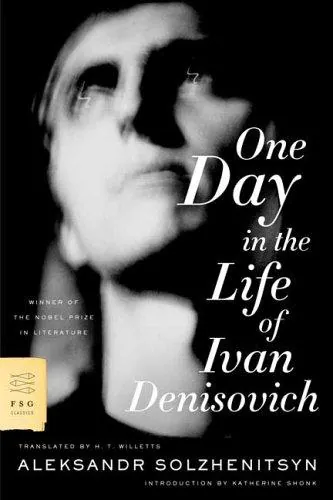
One Day in the Life of Ivan Denisovich

Aleksandr Solzhenitsyn

Emotionally Ruined

A single day in a Soviet labour camp, and Solzhenitsyn makes that day contain everything — not melodrama, but the slow grinding calculus of survival. Shukhov's small victories are the whole argument of the novel. To keep some human dignity in a place designed to strip it is an act of resistance the state cannot understand.

prison survival political literary fiction injustice
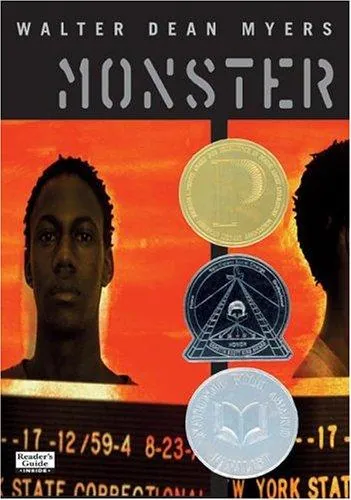
Monster

Walter Dean Myers

Emotionally Ruined

Steve Harmon is sixteen and on trial for murder and Myers writes the whole thing as a screenplay the boy is narrating from his cell. The legal system processes him with the indifference of a machine, and the question of innocence is less important than the question of what the system does to people regardless of the answer.

prison injustice literary fiction trauma

Kolyma Tales

Varlam Shalamov

Existential Dread

Shalamov survived seventeen years in the Soviet Arctic camps and wrote stories from within those years that have the density of compressed time. No catharsis. No lessons. Just the record of what captivity does to the body and mind. The most unsparing prison literature ever written, because the writer refused to protect the reader.

prison survival literary fiction historical trauma

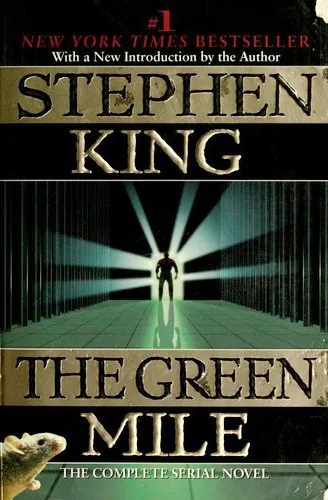
The Green Mile

Stephen King

Existential Dread

Death row in a Southern prison in the 1930s, and a man who should not be there. King writes John Coffey's goodness with such care that executing him becomes unbearable to witness — and Paul Edgecombe has to live long enough to feel the full weight of that. A horror novel whose true horror is judicial murder.

prison injustice literary fiction grief loss

The House of the Dead

Fyodor Dostoevsky

Emotionally Ruined

Dostoevsky served four years in a Siberian prison camp and turned the experience into fiction that reads like testimony. The prisoners are rendered with such humanity that the system meant to degrade them is the only thing that looks degraded. Every page is a quiet act of resistance.

prison survival literary fiction historical

Monthly Tragic Picks

One email a month. Hand-picked books guaranteed to wreck you emotionally. No spam, no filler.