← All Lists

Korean Literature — The Weight of History in the Body

Fiction and memoir from Korea and the Korean diaspora — colonial occupation, division, dictatorship, and what passed through all of it into contemporary bodies.

10 books 4.6 avg devastation fiction

This page contains affiliate links. If you buy a book through one of these links, we earn a small commission at no extra cost to you. Full disclosure →

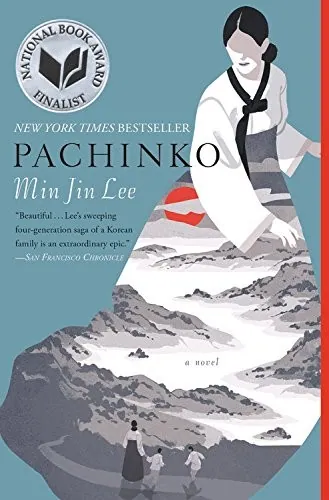
Pachinko

Min Jin Lee

Existential Dread

Four generations of a Korean family in Japan, where they will never be Japanese regardless of how many generations pass. Lee traces the cost of that exclusion through a century of Korean history without a single false note of consolation. Sunja's sacrifice is the foundation every subsequent generation builds on and does not know about.

Korea Japan generations immigration
Existential Dread

Yeong-hye stops eating meat after a dream and her refusal spreads outward until it becomes a refusal of her whole body, her whole existence in a world that demands women comply. Han Kang uses the body as the only territory where autonomy is possible. The brutality of the husband's response is the most ordinary horror in the book.

body Korea women resistance

Human Acts

Han Kang

Existential Dread

Han Kang circles the 1980 Gwangju massacre through multiple voices — the dead, the living, those who documented the bodies. The body is the subject: what happens to it during state violence, what the living do with the dead, what the survivors carry in their flesh. This is the most physically devastating political novel you will read.

Korea massacre body history
Emotionally Ruined

Margot returns to LA to find her Korean immigrant mother dead, her apartment undisturbed, her death unexplained. The mystery is also an excavation — Mina's story, withheld from her daughter, is the other half of the novel. Kim writes mother-daughter silence as the Korean American condition: what is not said because there is no language that crosses both worlds.

Korean American immigration mother grief

Crying in H Mart

Michelle Zauner

Existential Dread

Zauner's mother died of cancer and the memoir is organized around food — Korean food, the cooking her mother did, the H Mart where Zauner goes to feel her presence. The grief is so specific it becomes universal. The chapter where she eats a meal her mother made for the last time will not leave you.

memoir grief Korean American mother

Nothing to Envy

Barbara Demick

Existential Dread

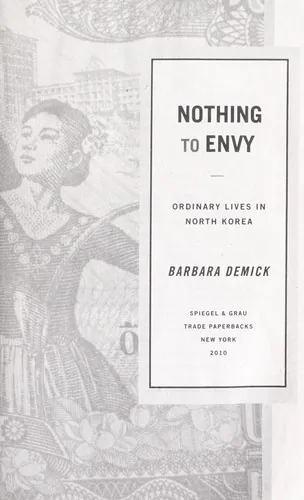
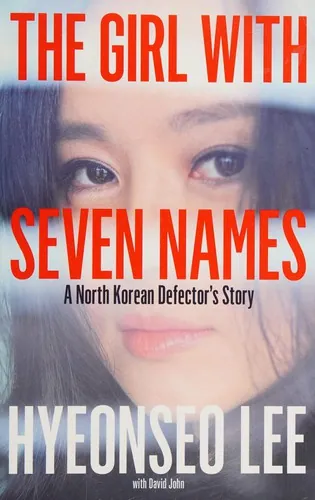
Demick interviewed six North Korean defectors and reconstructed their lives inside the state from birth to departure. The famine of the 1990s — when the food distribution system simply stopped — is the center of the book. The defectors describe watching neighbors starve while the loudspeakers continued their announcements.

North Korea defectors famine totalitarianism
Existential Dread

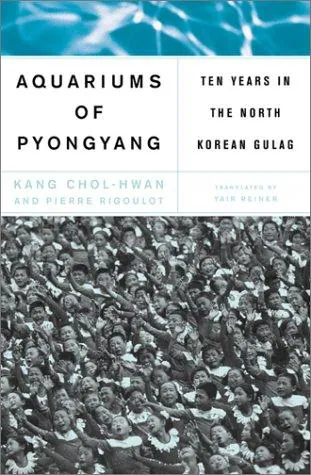
Kang spent ten years in the Yodok concentration camp in North Korea from age nine. His account of life inside the camp is the most complete testimony from the North Korean gulag system. The bureaucratic specificity — the categories of prisoner, the rules, the punishments — is the most devastating element.

North Korea camps memoir survival
Emotionally Ruined

Written as a screenplay with stage directions, Yu's novel is about being Generic Asian Man in a world that cannot offer a more specific role. The form is the argument — the casting of Asian Americans into background scenery is structural. When Willis Wu finally gets a close-up, you understand what it costs.

Asian American race identity form

Monthly Tragic Picks

One email a month. Hand-picked books guaranteed to wreck you emotionally. No spam, no filler.