← All Lists

Books About Slavery

Fiction That Bears Witness — novels and memoirs that refuse to let the machinery of slavery become abstract. These books put individual lives inside the system, and the system inside individual lives. History is not the past here. It is the present's unresolved argument.

10 books 4.5 avg devastation fiction

This page contains affiliate links. If you buy a book through one of these links, we earn a small commission at no extra cost to you. Full disclosure →

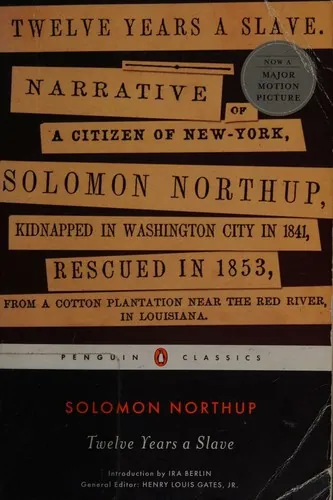
Twelve Years a Slave

Solomon Northup

Existential Dread

A free Black man is kidnapped and sold into slavery and writes his account twelve years later with a precision that refuses sensationalism. The horror is in the mundane machinery of it: the paperwork, the indifference, the professionalism of cruelty. Northup's restraint is more devastating than rage could ever be.

historical injustice trauma survival
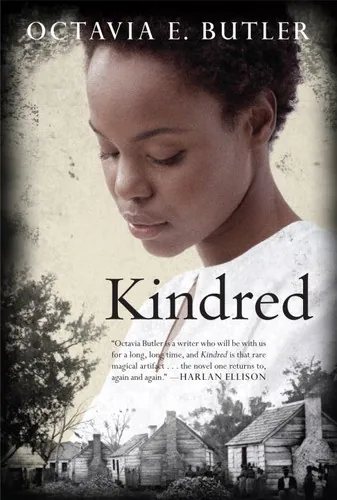
Kindred

Octavia Butler

Existential Dread

A Black woman from 1976 is repeatedly pulled back to an antebellum Maryland plantation to save the life of her white ancestor. Butler makes the time travel work as moral machinery: Dana cannot simply observe slavery, she must survive it, compromise within it. The novel ends with an amputation. Both literal and not.

historical injustice trauma survival
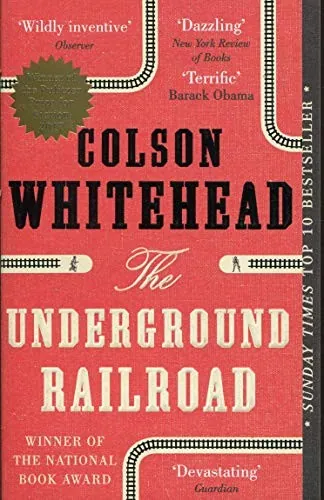
The Underground Railroad

Colson Whitehead

Existential Dread

Whitehead makes the Underground Railroad literal — a network of tunnels and trains — and the surrealism deepens the horror rather than mitigating it. Cora runs and every station offers a different flavour of damnation. America is surveyed state by state as an engine of racist violence. The dreamlike quality makes it harder to dismiss.

historical injustice trauma survival
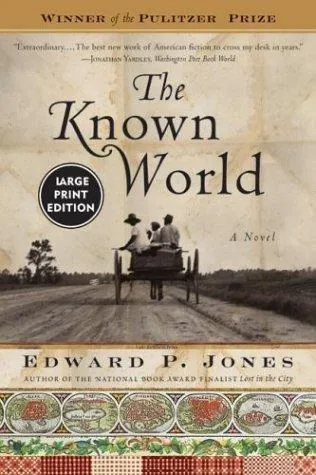
The Known World

Edward P. Jones

Emotionally Ruined

A freed Black man in antebellum Virginia owns slaves. Jones takes that historical fact and builds a novel of moral complexity that neither excuses nor reduces. The Known World is about the way systems of oppression corrupt everyone they touch, including — especially — those they were designed to destroy.

historical injustice literary fiction betrayal

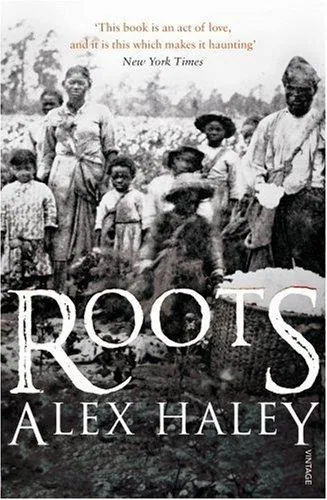
Roots: The Saga of an American Family

Alex Haley

Existential Dread

Haley traces his family from Kunta Kinte's capture in Gambia through generations of American slavery. The accumulation of lives — stolen, broken, partially recovered — is staggering. No single scene is as devastating as the sheer length of it: slavery as a multigenerational project of erasure. Reading it now, you understand that Haley was writing against forgetting at exactly the moment forgetting was being organised.

historical injustice family trauma

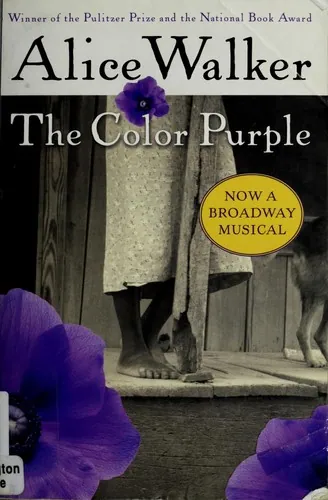
The Color Purple

Alice Walker

Emotionally Ruined

Celie's letters to God start in terror and end somewhere beyond survival. Walker writes Black womanhood in the American South with complete clarity about what it costs, and the love between Celie and Shug is the most radical thing in the novel. A book that earns its hope without softening its horror.

injustice literary fiction historical family love survival

Middle Passage

Charles Johnson

Emotionally Ruined

A freed slave stows away on a slave ship and Johnson writes the crossing as a philosophical nightmare. The narrative form — ship's log — creates terrible irony: the bureaucratic recording of atrocity. Middle Passage is short, dense, and one of the most formally inventive confrontations with slavery in American literature.

historical injustice philosophical survival

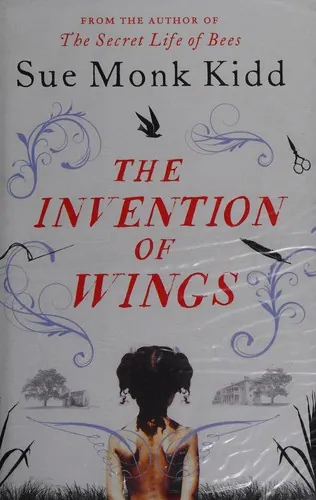
The Invention of Wings

Sue Monk Kidd

Emotionally Ruined

Two women — one enslaved, one her owner — narrate alternating chapters across thirty years of antebellum South Carolina. Kidd refuses easy absolution for Sarah Grimké and the novel is better for it. Handful's voice is the one that endures. Her dreams of flight over a world that will not let her stand upright.

historical injustice survival friendship

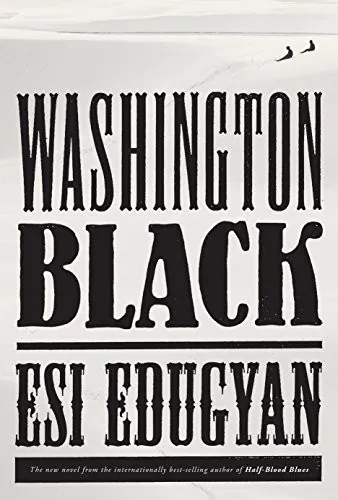
Washington Black

Esi Edugyan

Emotionally Ruined

An enslaved boy escapes a Barbados plantation in a hot-air balloon and pursues freedom across continents, only to find that freedom and belonging are different destinations. Edugyan makes the adventure serve the grief. Washington cannot stop running and the reason he can't is what the novel is actually about. Edugyan asks what it costs to be remarkable in a world that would prefer to own you than witness you.

historical injustice survival loss

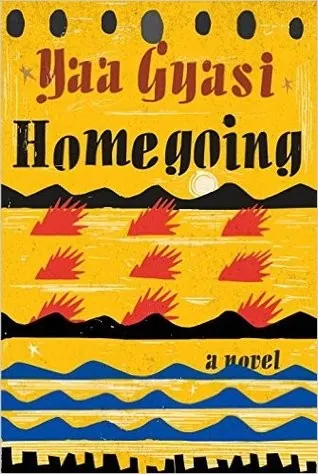
Homegoing

Yaa Gyasi

Existential Dread

Two half-sisters in eighteenth-century Ghana take divergent paths — one into a slave-trading marriage, one into slavery itself — and Gyasi follows each lineage chapter by chapter across three centuries. Each generation inherits a different version of the same wound. The structure is the argument. Gyasi never moralises; she simply follows the inheritance across generations and lets it speak for itself.

historical injustice family trauma

Monthly Tragic Picks

One email a month. Hand-picked books guaranteed to wreck you emotionally. No spam, no filler.