← All Lists

WWII Civilian Lives — The War That Happened at Home

Not the battlefield but the kitchen table, the hiding place, the choice made in an occupied city.

10 books 4.3 avg devastation fiction

This page contains affiliate links. If you buy a book through one of these links, we earn a small commission at no extra cost to you. Full disclosure →

The Nightingale

Kristin Hannah

Emotionally Ruined

Two French sisters survive the Nazi occupation of France by completely different means — one collaborating, one resisting. Hannah makes the moral complexity earn its melodrama. The ending's structure requires you to go back and reread the opening chapter, at which point it delivers the final blow.

WWII France occupation sisters

Sarah's Key

Tatiana de Rosnay

Emotionally Ruined

Sarah is ten years old and locked in the Vel d'Hiv during the 1942 Paris roundup of Jews. A contemporary journalist discovers the story and the connection to her own family. De Rosnay alternates timelines with the patience of someone who knows the past has not finished with the present.

WWII France Holocaust secrets
Emotionally Ruined

Lale Sokolov tattooed identification numbers onto prisoners at Auschwitz and fell in love with a woman whose number he tattooed. The love story is real and documented; the details of life inside the camp are rendered from his memory. The humanity he maintained under those conditions is both inspiring and unbearable.

Holocaust Auschwitz love survival

The Zookeeper's Wife

Diane Ackerman

Emotionally Ruined

Jan and Antonina Żabiński hid 300 Jews in the Warsaw Zoo during the German occupation. Ackerman constructs the story from Antonina's diary — the animals, the guests hidden in the animal cages, the constant nearness of discovery. The zoo as refuge and the city as slaughterhouse.

WWII Warsaw Holocaust resistance
Existential Dread

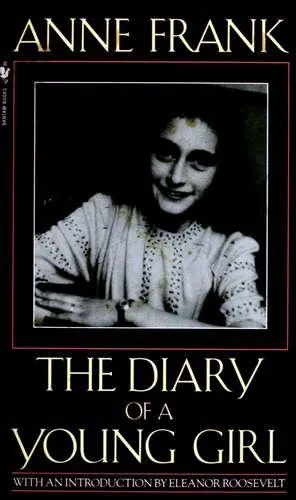
Anne Frank wrote in her diary believing she would survive and publish it. She did not survive. Her father did, and published it for her. Every optimistic entry is a form of unbearable dramatic irony. The last entry is dated three days before the SS raided the annex. She thought things were getting better.

Holocaust WWII diary youth

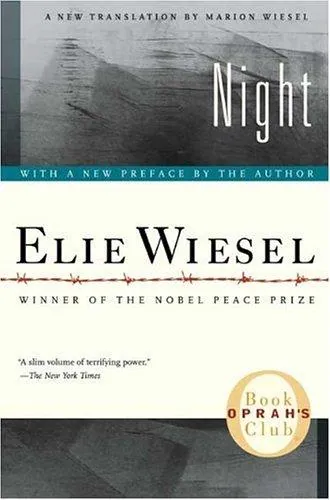
Night

Elie Wiesel

Existential Dread

Wiesel was fifteen when he arrived at Auschwitz. He spent his life arguing about whether language could carry what he saw, and wrote it down anyway. The moment of his father's death — what Eliezer did and did not do — is the most honest passage in Holocaust testimony. The question he asks of God has no answer.

Holocaust WWII memoir faith

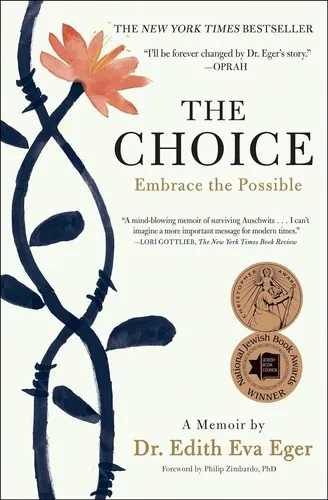
The Choice

Edith Eger

Emotionally Ruined

Eger was sixteen at Auschwitz and seventy-three when she finished her psychology training and published her memoir. The decades between are the subject — the work of not letting survival become sentence. She danced for Mengele; she built a life afterward; the two things are not separate.

Holocaust survival psychology healing

Monthly Tragic Picks

One email a month. Hand-picked books guaranteed to wreck you emotionally. No spam, no filler.