← All Lists

Dictatorship and Disappearance — Latin American Political Terror

The disappeared, the torture centers, the Mothers of the Plaza de Mayo — Latin American literature of state terror.

10 books 4.1 avg devastation fiction

This page contains affiliate links. If you buy a book through one of these links, we earn a small commission at no extra cost to you. Full disclosure →

Existential Dread

Four generations of the Trueba family in Chile, from the early twentieth century to the Pinochet coup. Allende uses magic realism to hold history together — the spirits are the witnesses the dictatorship could not silence. The final chapters, set in 1973, are where the novel stops being magical and becomes documentary.

Chile dictatorship family magic realism

The Feast of the Goat

Mario Vargas Llosa

Emotionally Ruined

The last days of Trujillo's dictatorship in the Dominican Republic, rendered through three alternating perspectives: the dictator, the conspirators who kill him, the woman who returns to face what Trujillo did to her family. Vargas Llosa is merciless about the collaboration that allows a monster to persist.

Dominican Republic dictatorship rape Latin America

Tender is the Flesh

Agustina Bazterrica

Existential Dread

A virus has made animal meat toxic, so humanity found another solution. Bazterrica builds this world without flinching and makes you understand how every atrocity becomes normalized through bureaucratic language. The love story at the center makes it worse. You will not eat meat without thinking of this for a while.

body horror dystopia Argentina consumption

The Informers

Juan Gabriel Vásquez

Ugly Crying

Vásquez excavates a wartime collaboration in 1940s Colombia through the son of the man who informed on German immigrants. The guilt is generational and architectural — built into the structures of who stayed silent and who spoke. He is writing about Colombia and Colombia is writing about everywhere.

Colombia WWII family guilt
Emotionally Ruined

Tita is forbidden from marrying because she must care for her mother, and her grief enters the food she cooks. Esquivel makes the body's grief literal — her tears salt the wedding cake, her desire sets the guests on fire. The magical realism is the only honest way to render what is done to women in the name of family obligation.

Mexico women love food
Existential Dread

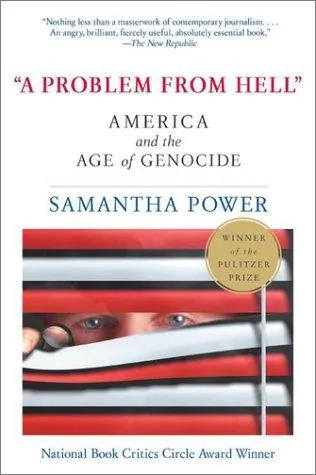
Power documents America's response to every genocide of the twentieth century — the Armenians, the Holocaust, Cambodia, Bosnia, Rwanda — and finds a consistent pattern: knowledge without action, rhetoric without intervention, the deliberate choice not to use the word genocide because using it would require a response. The book won the Pulitzer. American foreign policy continued as before. The age of genocide continued with it.

war journalism genocide America politics
Emotionally Ruined

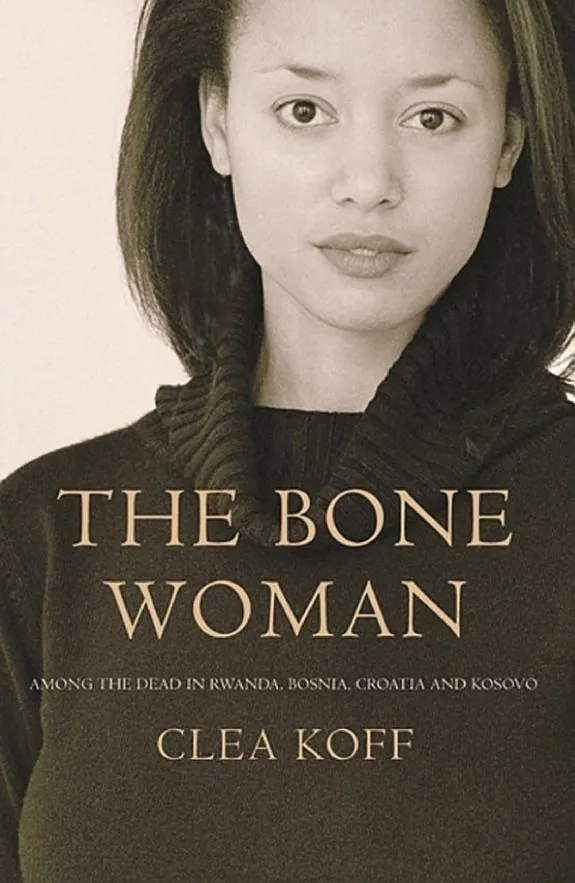
Koff exhumed mass graves for the UN tribunals — Rwanda, Bosnia, Croatia, Kosovo — and wrote about what the bones say when the living will not or cannot speak. The science is meticulous; the emotional cost is present but contained, as it must be in a forensic context. A book about how bodies are made to disappear and how they can be made to testify. Evidence as justice.

genocide forensics war crimes testimony
Existential Dread

Hatzfeld interviewed a group of men imprisoned for their roles in the Rwandan genocide — ordinary farmers who killed their neighbours with farm tools during the hundred days. They speak about it without the affect of monsters. They were organised, they were cheerful, they looted, they ate well. The ordinariness is the point and the horror. Hannah Arendt's banality made local and agricultural and specific.

genocide Rwanda testimony evil

Monthly Tragic Picks

One email a month. Hand-picked books guaranteed to wreck you emotionally. No spam, no filler.