← All Lists

Homelessness and Poverty — What the Margins Look Like From Inside

Fiction that lives in the gap between what society promises and what it delivers.

10 books 4.1 avg devastation fiction

This page contains affiliate links. If you buy a book through one of these links, we earn a small commission at no extra cost to you. Full disclosure →

Ugly Crying

Esperanza Cordero lives in a house she is ashamed of on a street she wants to escape. Cisneros writes in vignettes — small windows into the same view — and the accumulation is the damage: poverty as a fact that shapes the imagination before you know it. The girls who cannot leave are the subject; Esperanza's leaving is the cost of literacy.

poverty Chicana coming of age Chicago
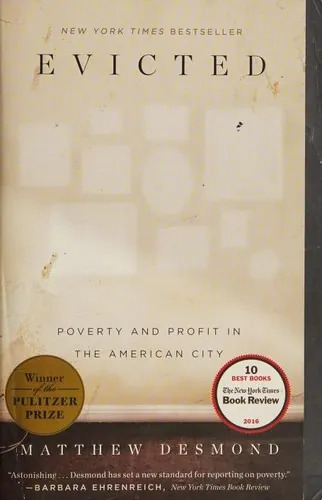
Evicted

Matthew Desmond

Existential Dread

Desmond embedded in Milwaukee's poorest neighborhoods and followed eight families facing eviction. The economy of poverty is designed to extract and it extracts without mercy. The epilogue data is the most depressing table you will read.

poverty housing America race

Push

Sapphire

Existential Dread

Precious Jones is sixteen, illiterate, pregnant by her father for the second time, and she is not broken. Sapphire writes in Precious's own voice — imperfect, searching, alive — and the novel's refusal to pity her is its most radical gesture. A portrait of institutional failure so specific it becomes an accusation.

poverty trauma literary fiction injustice survival

Nickel and Dimed

Barbara Ehrenreich

Ugly Crying

Ehrenreich goes undercover in low-wage America and discovers that the arithmetic of survival simply does not add up. Waitressing, hotel cleaning, Walmart stocking — none of it pays enough to live on, by design. The anger is controlled and therefore twice as devastating. A book that should be required reading for every politician who has ever used the word 'aspiration'.

poverty labour capitalism America
Ugly Crying

Shipler tracks Americans who work full-time and cannot survive — people whose poverty is not a failure of effort but a consequence of compounding disadvantages that the system manufactures and sustains. The case studies are meticulous, the analysis damning. The title is the entire argument: these people are invisible precisely because acknowledging them would require us to change things.

poverty labour America inequality

Germinal

Émile Zola

Emotionally Ruined

Zola descended into the mines to write this, and the darkness comes up with him. Étienne Lantier arrives at the Voreux mine optimistic and leaves broken — the strike fails, the mine floods, the company survives. The final image of seeds germinating in the earth is the most earned and most bitter hope in nineteenth-century literature.

labor mining France strikes

The Jungle

Upton Sinclair

Emotionally Ruined

Sinclair wanted to write about the exploitation of immigrant labor in Chicago meatpacking; instead he started a food safety movement because Americans cared more about what was in their sausage than who made it. Jurgis Rudkus is destroyed by capitalism with the thoroughness of an industrial process. The system works exactly as designed.

labor immigration capitalism meatpacking

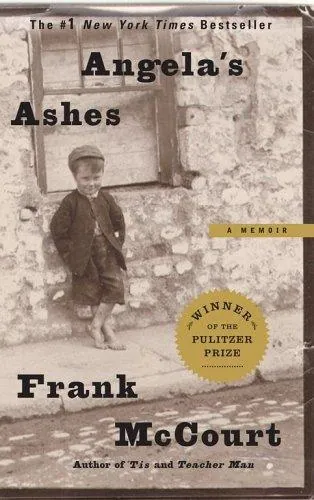
Angela's Ashes

Frank McCourt

Emotionally Ruined

Limerick poverty rendered as dark comedy and the comedy makes it worse. McCourt's childhood is unrelenting misfortune — the dead siblings, the drunk father, the mother's exhausted endurance — and the memoir survives its horror through prose that is somehow luminous. Ireland's shame and Frank's refusal to be ashamed of surviving it.

poverty family literary fiction historical loss

Monthly Tragic Picks

One email a month. Hand-picked books guaranteed to wreck you emotionally. No spam, no filler.