← All Lists

Medical Malpractice & the Limits of Care

The Body Under the System — accounts of what happens when medicine fails: the fraudulent technology, the addictive drugs, the cultural incomprehension, the corporate corruption. These books examine healthcare not as a calling but as an institution — one with its own incentives, its own blind spots, and its own capacity for harm.

10 books 3.6 avg devastation non-fiction

This page contains affiliate links. If you buy a book through one of these links, we earn a small commission at no extra cost to you. Full disclosure →

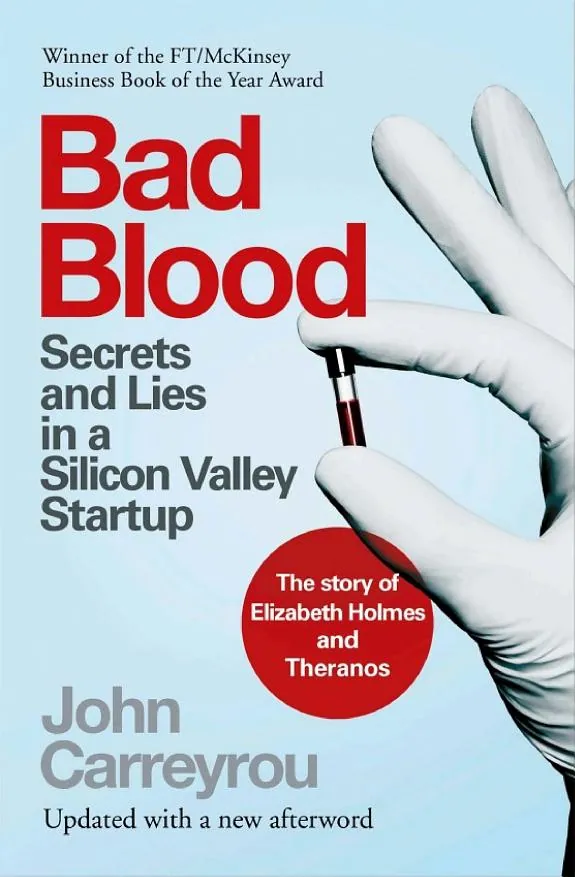
Bad Blood: Secrets and Lies in a Silicon Valley Startup

John Carreyrou

Ugly Crying

Theranos ran real blood tests on real patients using technology that did not work. Carreyrou broke the story and this is the full account of how Elizabeth Holmes built a nine-billion-dollar fraud on the premise that wanting something to be true was the same as making it true. The Silicon Valley ethos, applied to healthcare, killed people. The chapter on the deaths resulting from false diagnoses should end careers. It did not.

medical malpractice fraud Silicon Valley journalism
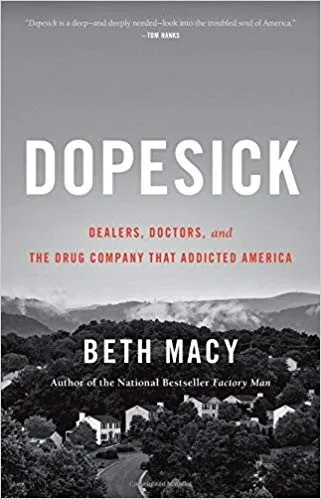
Dopesick: Dealers, Doctors, and the Drug Company that Addicted America

Beth Macy

Existential Dread

Macy traces the opioid crisis from the hollers of Appalachia to the Sackler boardroom, giving the dead their names and their contexts while building an irrefutable case for corporate homicide. The drug was designed to addict, marketed to deceive, and distributed through a medical system that was itself corrupted. The families she follows lose child after child. The Sacklers kept the money.

medical malpractice opioids addiction America

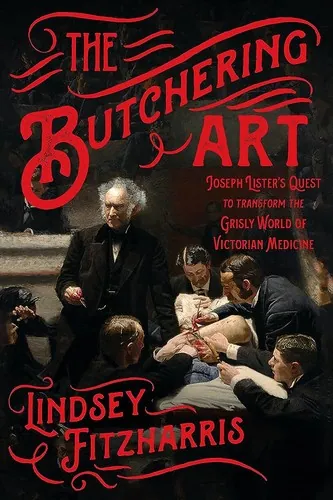
The Butchering Art: Joseph Lister's Quest to Transform the Grisly World of Victorian Medicine

Lindsey Fitzharris

Ugly Crying

Before Lister, half the patients who survived surgery died of infection in the following days. The operating theatres were public spectacles in blood-stiff coats. Fitzharris renders Victorian medicine with a novelist's eye for period detail and a historian's precision about the institutional resistance to germ theory. The suffering was not inevitable. It persisted because medicine was more invested in hierarchy than hygiene.

medical malpractice history surgery Victorian

When the Air Hits Your Brain: Tales from Neurosurgery

Frank Vertosick Jr.

Ugly Crying

Vertosick trained as a neurosurgeon in the era before imaging made the brain visible and writes with the earned frankness of someone who has watched young residents kill patients learning to do necessary things. The chapter on his first solo craniotomy is among the most honest writing about medical training in the literature. He is not confessing failure. He is documenting a system that uses patients as curriculum.

medical malpractice neurosurgery memoir medicine

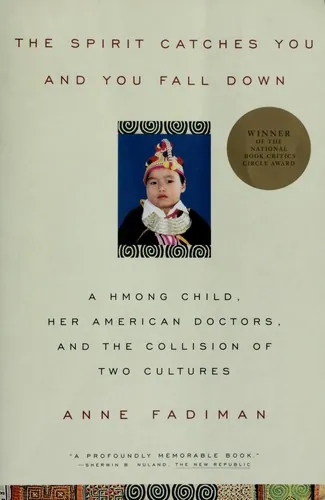
The Spirit Catches You and You Fall Down

Anne Fadiman

Emotionally Ruined

A Hmong refugee child with severe epilepsy, a California hospital system, and the catastrophic collision of two entirely incompatible frameworks for understanding illness. Fadiman's masterpiece refuses to assign blame because both sides were doing what they believed was right. The result is more disturbing than a story of negligence — it is a story of systems that could not hear each other destroying a life between them.

medical malpractice culture medicine America

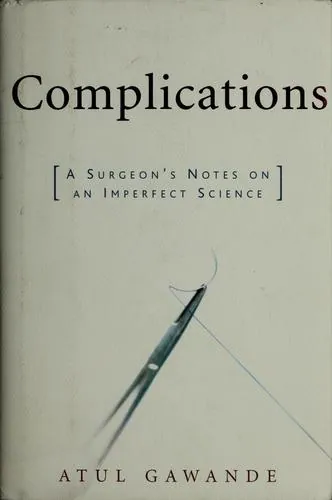
Complications: A Surgeon's Notes on an Imperfect Science

Atul Gawande

Ugly Crying

Gawande writes about the fallibility of medicine from the inside — the surgeon who has a bad day, the misdiagnoses that follow plausible logic, the complications that arise from the treatment. What makes this more unsettling than a malpractice anthology is his insistence that most errors are not acts of negligence but the inevitable product of a system that requires humans to do things humans cannot do perfectly.

medical malpractice surgery medicine memoir

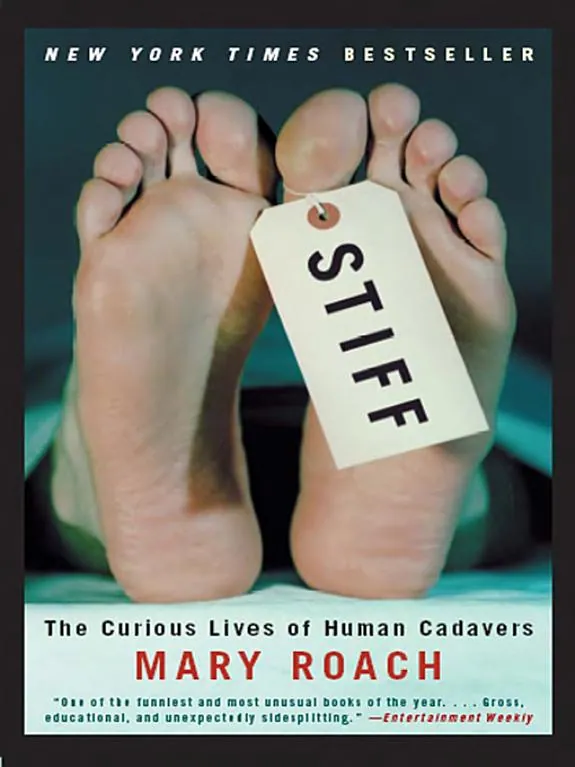
Stiff: The Curious Lives of Human Cadavers

Mary Roach

Lingering Melancholy

Roach investigates what happens to bodies donated to science with the irreverence of someone who has made peace with mortality and wants you to also. The gallows humour is not disrespectful — it is the coping mechanism of the people who do this work. The history of surgical cadaver use is also a history of class: whose bodies were taken, from where, and who decided they had no further claim to dignity.

medical malpractice death science history

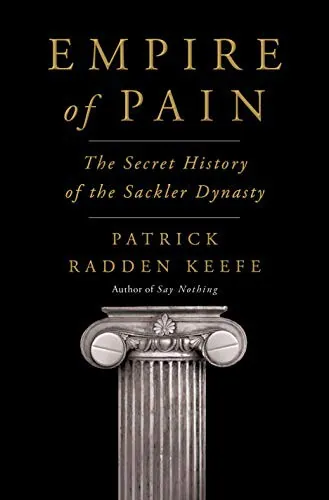
Empire of Pain: The Secret History of the Sackler Dynasty

Patrick Radden Keefe

Existential Dread

Three generations of the Sackler family, their philanthropy, their art collection, their systematic cultivation of the doctors who would prescribe OxyContin. Keefe writes with the patience of a biographer and the precision of a prosecutor. The family gave their names to museums and universities while their drug killed five hundred thousand Americans. The wings were named. The bodies were not.

medical malpractice opioids corruption America

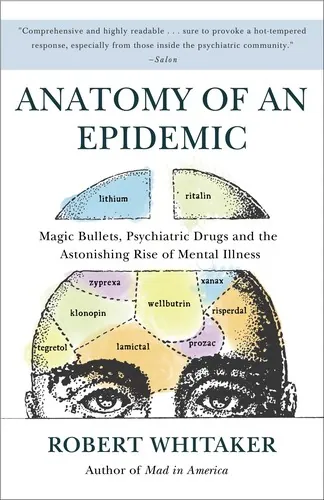
Anatomy of an Epidemic: Magic Bullets, Psychiatric Drugs, and the Astonishing Rise of Mental Illness in America

Robert Whitaker

Emotionally Ruined

Whitaker's meticulously sourced argument is that the drugs prescribed to treat mental illness have, in many cases, made the conditions worse over the long term — and that the pharmaceutical industry's control of the research literature has prevented this from being recognised. The book is controversial precisely because the evidence is hard to dismiss. If even partially correct, it implicates an entire system of care in systemic harm.

medical malpractice psychiatry drugs America

Pain Killer: A 'Wonder' Drug's Trail of Addiction and Death

Barry Meier

Emotionally Ruined

Meier was the first journalist to document the OxyContin catastrophe in depth, filing stories from the Virginia coalfields where addiction was already destroying communities years before the mainstream media noticed. His account of Purdue Pharma's marketing strategy — the deliberate misrepresentation of addiction risk to doctors — is both the original record and the template for every subsequent investigation. Written in 2003. The deaths continued for two more decades.

medical malpractice opioids addiction journalism

Monthly Tragic Picks

One email a month. Hand-picked books guaranteed to wreck you emotionally. No spam, no filler.