← All Lists

Multigenerational Tragedy — The Damage That Compounds

Novels that follow families across decades, watching the original wound become the inheritance.

10 books 4.6 avg devastation fiction

This page contains affiliate links. If you buy a book through one of these links, we earn a small commission at no extra cost to you. Full disclosure →

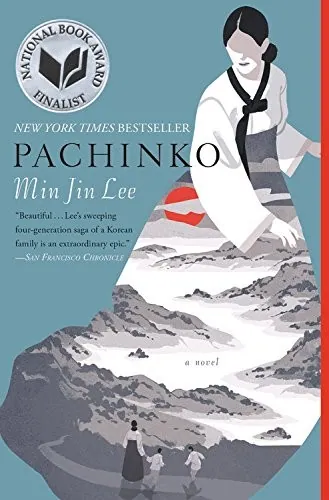
Pachinko

Min Jin Lee

Existential Dread

Four generations of a Korean family in Japan, where they will never be Japanese regardless of how many generations pass. Lee traces the cost of that exclusion through a century of Korean history without a single false note of consolation. Sunja's sacrifice is the foundation every subsequent generation builds on and does not know about.

Korea Japan generations immigration
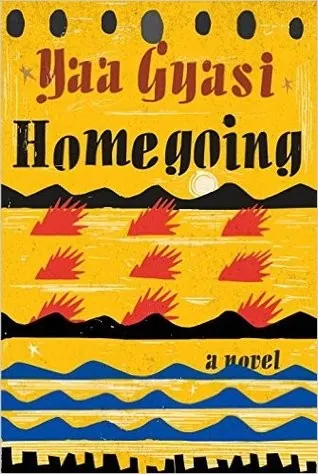
Homegoing

Yaa Gyasi

Existential Dread

Two half-sisters in eighteenth-century Ghana take divergent paths — one into a slave-trading marriage, one into slavery itself — and Gyasi follows each lineage chapter by chapter across three centuries. Each generation inherits a different version of the same wound. The structure is the argument. Gyasi never moralises; she simply follows the inheritance across generations and lets it speak for itself.

historical injustice family trauma
Emotionally Ruined

Four mothers, four daughters, stories that travel between 1940s China and 1980s San Francisco. Tan makes the gap between generations into a series of untranslatable inheritances — trauma the mothers cannot articulate and daughters cannot understand they are carrying. The stories that are finally told arrive too late and exactly on time.

immigration China mothers daughters
Existential Dread

Four generations of the Trueba family in Chile, from the early twentieth century to the Pinochet coup. Allende uses magic realism to hold history together — the spirits are the witnesses the dictatorship could not silence. The final chapters, set in 1973, are where the novel stops being magical and becomes documentary.

Chile dictatorship family magic realism

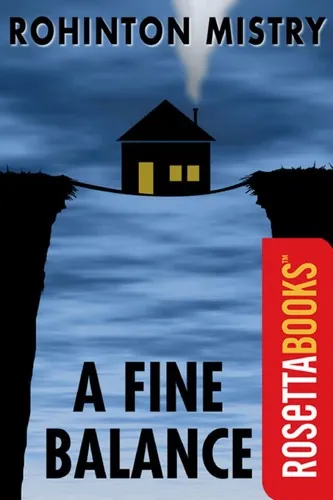
A Fine Balance

Rohinton Mistry

Existential Dread

Set during India's Emergency, four people trying to find a way to live together. Mistry writes misfortune with such accumulative force that the novel becomes almost unbearable. Nothing is protected. No one is spared. The title is ironic — there is no balance, only a precarious human effort to stand upright while the world collapses.

poverty political literary fiction historical family injustice

One Hundred Years of Solitude

Gabriel García Márquez

Emotionally Ruined

The Buendía family repeats itself across a century in Macondo, and the repetition is the tragedy. García Márquez makes the mythic and the historical inseparable — civil wars, banana company massacres, and tropical rains that last four years are equally real. The last sentence discloses everything the book has been withholding.

Latin America family history magic realism

The Poisonwood Bible

Barbara Kingsolver

Existential Dread

Nathan Price takes his wife and four daughters to the Congo in 1959 to save souls and destroys everything he touches. Kingsolver gives each female voice its own grammar — Ruth May's is the most devastating. The mission is the colonialism and the colonialism is the marriage. Nothing survives intact.

Congo missionary colonialism family
Existential Dread

Rahel and Estha's story fractures across time, and Roy withholds the center of it until you are already loving the people it destroys. The Love Laws — who can be loved, and how, and how much — are the machinery of caste and the novel's indictment. What happens to Velutha is Indian history written small enough to feel.

India caste loss twins

Shuggie Bain

Douglas Stuart

Existential Dread

Shuggie loves his mother and his mother is an alcoholic and Glasgow in the 1980s is a city being hollowed out. Stuart writes poverty and addiction and a boy's devotion with no distance whatsoever. Agnes Bain is one of the most devastating characters in contemporary fiction — beautiful, destructive, and impossible to leave.

poverty addiction family grief literary fiction loss

My Brilliant Friend

Elena Ferrante

Ugly Crying

Two girls grow up in a violent Naples neighbourhood and their friendship is the novel's engine and its wound simultaneously. Ferrante writes female ambition and female self-annihilation in the same breath. The brilliance of the title belongs to both of them, differently, at the cost of everything. Naples is the third character — a city that demands you become someone else entirely just to survive it.

friendship literary fiction loss betrayal

Monthly Tragic Picks

One email a month. Hand-picked books guaranteed to wreck you emotionally. No spam, no filler.