← All Lists

Science and Ethics — When Knowledge Becomes Complicity

Books about the moment science stops being neutral — the experiment, the drug trial, the bomb.

10 books 4.0 avg devastation non-fiction

This page contains affiliate links. If you buy a book through one of these links, we earn a small commission at no extra cost to you. Full disclosure →

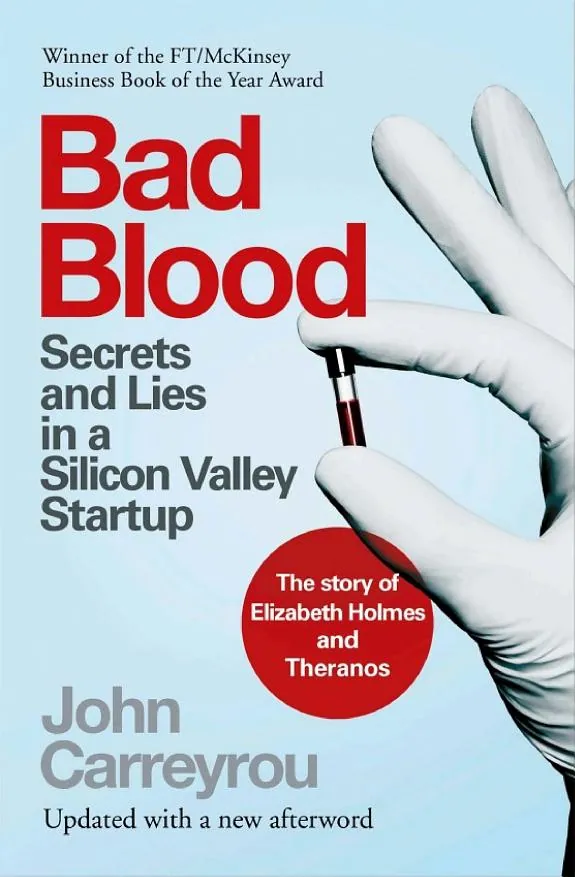
Bad Blood

John Carreyrou

Ugly Crying

Elizabeth Holmes built a medical diagnostics company on a technology that did not work and tested it on real patients. Carreyrou broke the story for the WSJ — a study in charisma, investor credulity, and the harm done to patients whose blood tests came back wrong. The blood was always the point.

fraud medicine tech Silicon Valley
Existential Dread

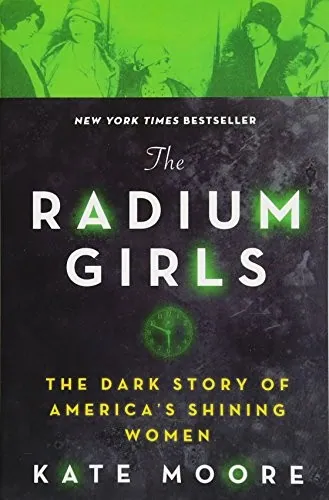
Young women painted watch dials with radium paint in the 1920s and were told to lick their brushes to a fine point. When their jaws began to fall apart, when their bones glowed in the dark, the corporations buried the evidence. Moore follows the women who sued anyway, in pain, with their teeth dissolving, and won. Their legal victories created occupational safety law. Their suffering created it.

industrial disaster labour women America
Ugly Crying

Young women lived and worked in Oak Ridge, Tennessee helping build something they were forbidden to ask about. When the bomb dropped on Hiroshima, they found out what. Kiernan traces the collision of patriotism and complicity in women who were used by their government and still proud of the work.

WWII atomic bomb women secrecy

Hiroshima

John Hersey

Existential Dread

Hersey's report on six survivors of the atomic bomb filled an entire issue of The New Yorker in 1946. The scale is personal: six people, their injuries, their first hours and months. The deliberate smallness of the frame makes the largest single act of mass destruction in history legible as what it was — something that happened to people.

atomic bomb WWII Japan survival

Empire of Pain

Patrick Radden Keefe

Emotionally Ruined

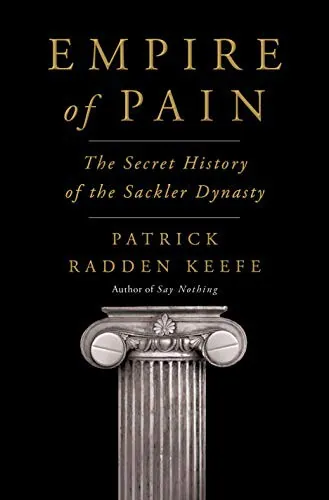
The Sackler family funded the opioid epidemic through Purdue Pharma and OxyContin, and then laundered the money through cultural philanthropy. Keefe traces three generations of a family that built wealth from addiction and called it medicine. The legal immunity they secured is the most depressing institutional fact in the book.

opioids corporate crime family addiction
Existential Dread

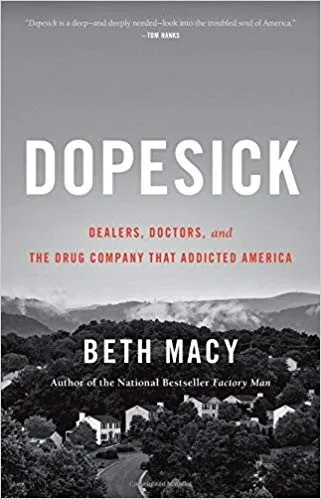
Macy traces the opioid crisis from the hollers of Appalachia to the Sackler boardroom, giving the dead their names and their contexts while building an irrefutable case for corporate homicide. The drug was designed to addict, marketed to deceive, and distributed through a medical system that was itself corrupted. The families she follows lose child after child. The Sacklers kept the money.

medical malpractice opioids addiction America

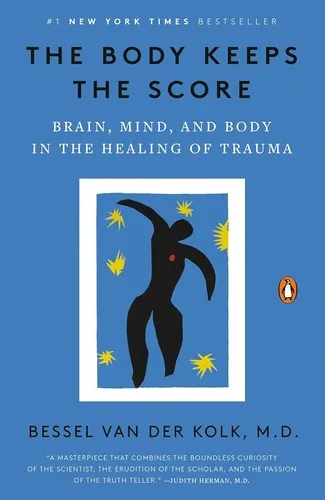
The Body Keeps the Score

Bessel van der Kolk

Emotionally Ruined

Van der Kolk argues that trauma is not a psychological problem but a physiological one — the body stores it in places the talking cure cannot reach. The case studies are the devastation. The science is the hope. You will read this and understand your own reactions to things you thought were over.

trauma psychology neuroscience healing

Monthly Tragic Picks

One email a month. Hand-picked books guaranteed to wreck you emotionally. No spam, no filler.