← All Lists

Russian Literature — The Weight of the Russian Soul

Russian novels that take suffering seriously — not as spectacle but as the ground condition of life inside an empire.

10 books 4.3 avg devastation fiction

This page contains affiliate links. If you buy a book through one of these links, we earn a small commission at no extra cost to you. Full disclosure →

The Brothers Karamazov

Fyodor Dostoevsky

Emotionally Ruined

Dostoevsky put everything he believed about God, guilt, and the capacity for good and evil into his final novel. Three brothers, one dead father, one act of parricide. The trial is less about who did it than about what we are all responsible for when we wanted something done.

Russia faith guilt family
Ugly Crying

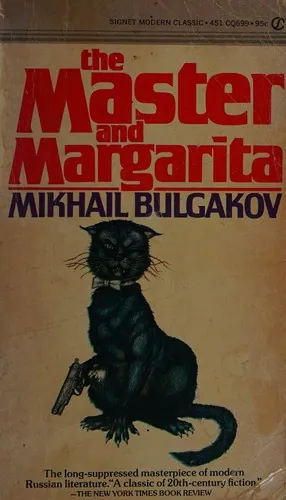
The devil visits Soviet Moscow and everything falls apart entertainingly, and underneath the satire is a love story, a manuscript, and a man being broken by a system that will not tolerate his art. Bulgakov wrote this knowing it would not be published in his lifetime. Every page carries that knowledge.

philosophical literary fiction political love injustice
Emotionally Ruined

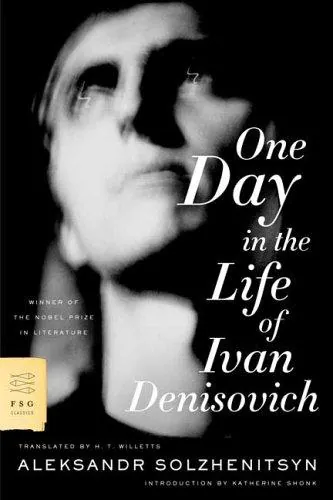
A single day in a Soviet labour camp, and Solzhenitsyn makes that day contain everything — not melodrama, but the slow grinding calculus of survival. Shukhov's small victories are the whole argument of the novel. To keep some human dignity in a place designed to strip it is an act of resistance the state cannot understand.

prison survival political literary fiction injustice
The Gulag Archipelago

Aleksandr Solzhenitsyn

Existential Dread

The most important document of the twentieth century's most systematic crime. Solzhenitsyn assembled testimony from hundreds of survivors and his own years in the camps to produce something beyond memoir or history — a complete anatomy of a totalitarian system's inner logic. The camps were not aberrations. They were the point. That understanding, once made, cannot be unmade.

political prisoner Soviet Union totalitarianism history
Existential Dread

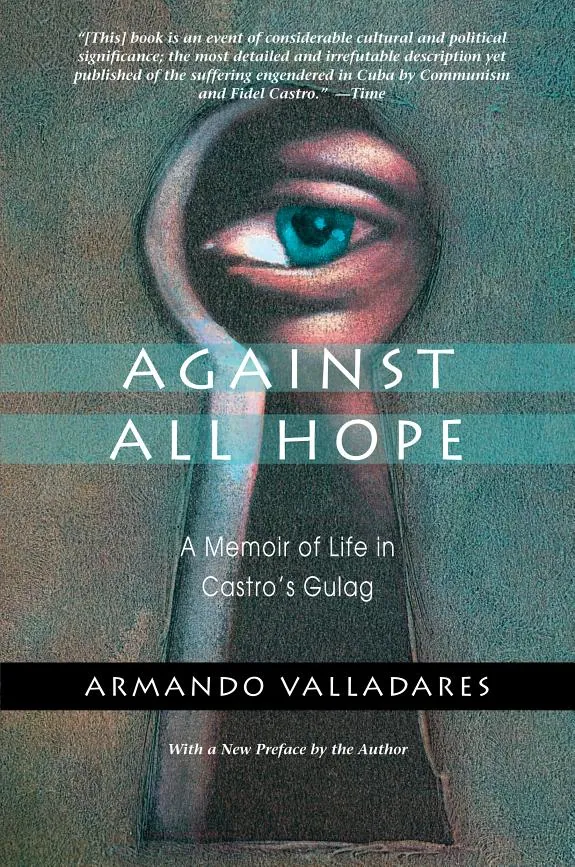
Valladares spent twenty-two years in Cuban prisons for refusing to display a sign at work. His account of what was done to political prisoners — the beatings, the forced labour, the psychiatric interventions — was once dismissed by those who found Castro's Cuba ideologically convenient. The facts were later confirmed. The ideological convenience was never withdrawn. A book about suffering, and about wilful blindness.

political prisoner Cuba totalitarianism memoir

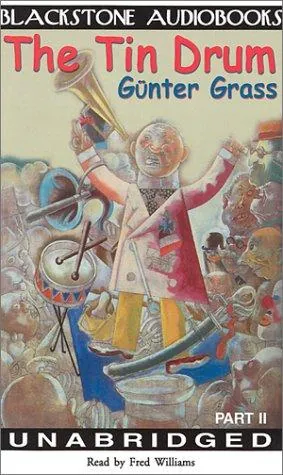
The Tin Drum

Günter Grass

Emotionally Ruined

Oskar Matzerath stops growing at three and witnesses the rise of the Nazis from his uniquely low vantage point. Grass writes horror as grotesque carnival and the effect is the most honest German account of what collaboration and cowardice looked like from inside. The tin drum beats and everyone dances and no one asks why.

war historical literary fiction philosophical

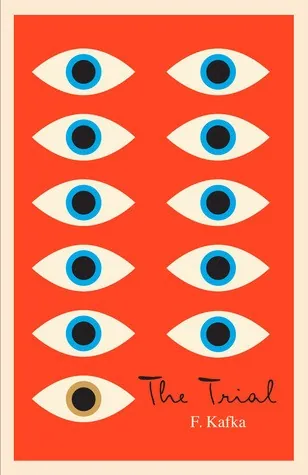
The Trial

Franz Kafka

Existential Dread

Josef K. is accused of an unspecified crime and the machinery of justice processes him without ever explaining itself. Kafka makes bureaucracy feel like theology — all-powerful, incomprehensible, fatal. The most accurate fictional account of how power actually works, written a century before it became undeniable.

philosophical literary fiction injustice dystopian
Existential Dread

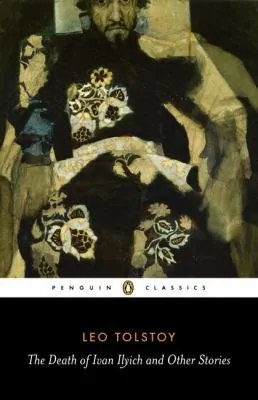
Tolstoy gives his protagonist a bruise from hanging curtains and turns it into a meditation on mortality, self-deception, and the terror of dying badly. Ivan spends his final weeks realising he has never lived. The servant Gerasim, who is simply kind, becomes the most devastating character in the book. It is the shortest long novel about the cost of never having asked what you wanted from life.

philosophical grief literary fiction loss

Monthly Tragic Picks

One email a month. Hand-picked books guaranteed to wreck you emotionally. No spam, no filler.