← All Lists

Famine and Hunger — The Politics of Who Eats

Books about hunger as a political condition — who goes without and who decided that.

10 books 4.7 avg devastation fiction

This page contains affiliate links. If you buy a book through one of these links, we earn a small commission at no extra cost to you. Full disclosure →

Germinal

Émile Zola

Emotionally Ruined

Zola descended into the mines to write this, and the darkness comes up with him. Étienne Lantier arrives at the Voreux mine optimistic and leaves broken — the strike fails, the mine floods, the company survives. The final image of seeds germinating in the earth is the most earned and most bitter hope in nineteenth-century literature.

labor mining France strikes

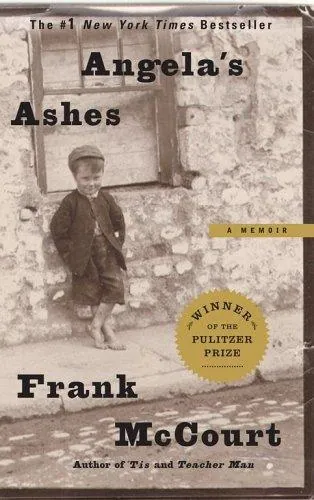
Angela's Ashes

Frank McCourt

Emotionally Ruined

Limerick poverty rendered as dark comedy and the comedy makes it worse. McCourt's childhood is unrelenting misfortune — the dead siblings, the drunk father, the mother's exhausted endurance — and the memoir survives its horror through prose that is somehow luminous. Ireland's shame and Frank's refusal to be ashamed of surviving it.

poverty family literary fiction historical loss

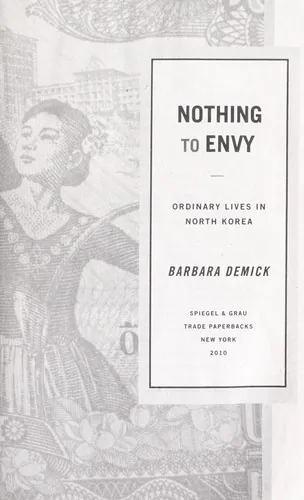
Nothing to Envy

Barbara Demick

Existential Dread

Demick interviewed six North Korean defectors and reconstructed their lives inside the state from birth to departure. The famine of the 1990s — when the food distribution system simply stopped — is the center of the book. The defectors describe watching neighbors starve while the loudspeakers continued their announcements.

North Korea defectors famine totalitarianism

The Jungle

Upton Sinclair

Emotionally Ruined

Sinclair wanted to write about the exploitation of immigrant labor in Chicago meatpacking; instead he started a food safety movement because Americans cared more about what was in their sausage than who made it. Jurgis Rudkus is destroyed by capitalism with the thoroughness of an industrial process. The system works exactly as designed.

labor immigration capitalism meatpacking

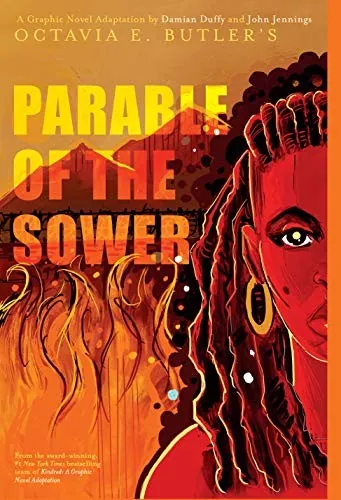
Parable of the Sower

Octavia Butler

Existential Dread

Lauren Olamina walks north through a California that has collapsed under climate change and wealth inequality and builds a religion to survive the journey. Butler wrote this in 1993 and the precision of her extrapolation is now genuinely frightening. Parable reads less like dystopia than dispatch. Earthseed is not hope — it is the discipline of continuing without it.

dystopian survival political loss

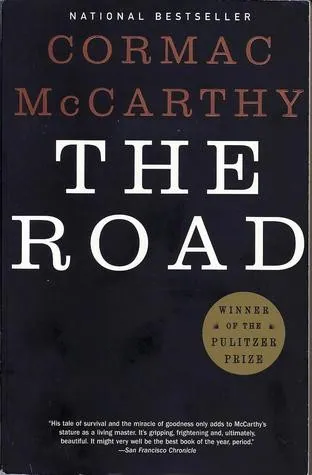
The Road

Cormac McCarthy

Existential Dread

McCarthy strips language to ash and bone and still breaks you open. A father and son walking toward nothing, carrying a fire that means everything and saves nothing. The tenderness is unbearable. The ending does not comfort — it simply stops, the way catastrophe always does.

grief survival literary fiction loss
Existential Dread

Ward gives you twelve days in Bois Sauvage, Mississippi before Hurricane Katrina — a Black family, a litter of puppies, a teenage girl's pregnancy, and the slow approach of disaster. The storm is also poverty, also race, also the government's relationship to Black bodies. Nothing is salvaged without cost.

race hurricane poverty Mississippi

Push

Sapphire

Existential Dread

Precious Jones is sixteen, illiterate, pregnant by her father for the second time, and she is not broken. Sapphire writes in Precious's own voice — imperfect, searching, alive — and the novel's refusal to pity her is its most radical gesture. A portrait of institutional failure so specific it becomes an accusation.

poverty trauma literary fiction injustice survival

Monthly Tragic Picks

One email a month. Hand-picked books guaranteed to wreck you emotionally. No spam, no filler.