← All Lists

Bearing Witness — Journalism at the Edge of Everything

Writers who went to the worst places and sent back dispatches — and what it cost them to do it.

10 books 4.4 avg devastation non-fiction

This page contains affiliate links. If you buy a book through one of these links, we earn a small commission at no extra cost to you. Full disclosure →

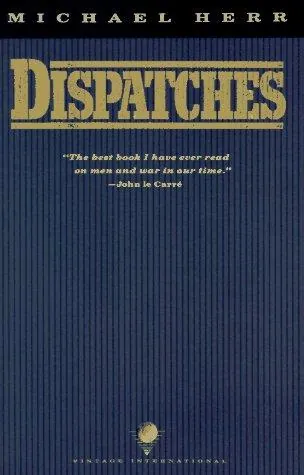
Dispatches

Michael Herr

Existential Dread

Herr went to Vietnam as a correspondent and came back with this fever dream of a book. Part journalism, part hallucination, wholly devastating. The language moves like the war itself — fragmented, beautiful, senseless. You read it and understand why no one who was there could ever fully come home.

war Vietnam journalism trauma
Existential Dread

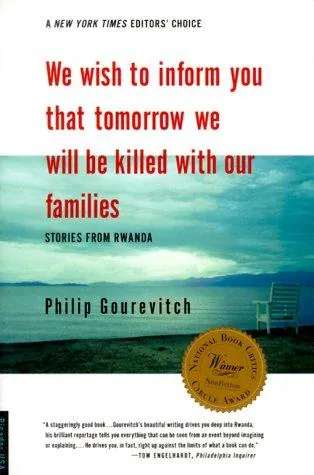
The title is the letter Tutsi pastors sent to their Hutu church president before the genocide. Gourevitch was in Rwanda shortly after and produced the most morally serious account of the hundred days that killed eight hundred thousand people. The title contains the entire argument: these people knew what was coming, told those who could have helped, and were failed. Not abandoned. Failed.

war journalism genocide Rwanda Africa
Existential Dread

Keane drove into Rwanda during the killing and wrote what he saw with the precision of a man committing testimony to paper before the nightmares could blur it. His BBC dispatches won awards; this book is what the awards did not fully contain — the grief of the correspondent, the smell of the churches where the bodies still lay, the children. Always the children. A small book that weighs everything.

war journalism genocide Rwanda Africa
Existential Dread

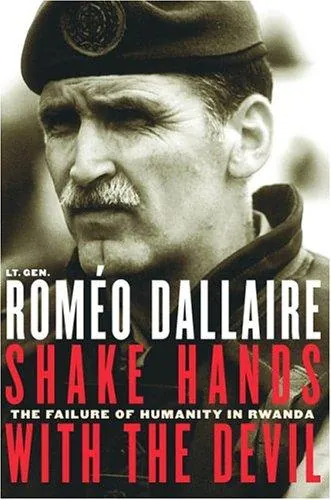
Dallaire commanded the UN peacekeeping force in Rwanda and watched the genocide from inside it, begging for permission to act and being denied. His account is not a polished diplomatic memoir but a wound still open — the fax to New York predicting what was coming, the silence in reply, the eight hundred thousand dead. He suffered a complete breakdown afterward. The book explains why and does not ask for absolution.

genocide Rwanda UN military
Emotionally Ruined

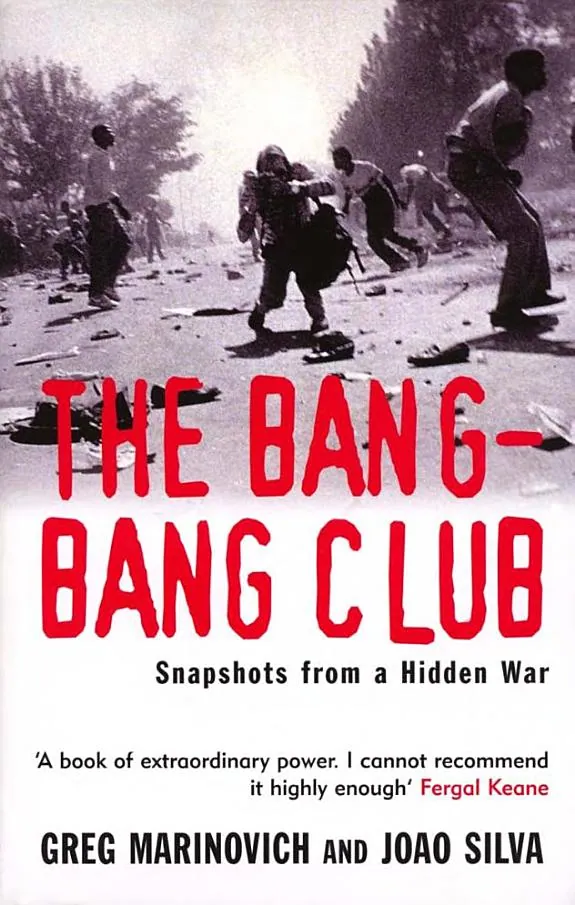
Four photographers documented the township violence in South Africa's transition years; two died. Marinovich and Silva's account of that work — the cost of bearing witness, the Pulitzers, the colleagues lost — is also an account of what photography does to those who take the photographs. The picture that wins the prize versus the picture that haunts you. These are not always the same.

war journalism photography South Africa apartheid

War

Sebastian Junger

Ugly Crying

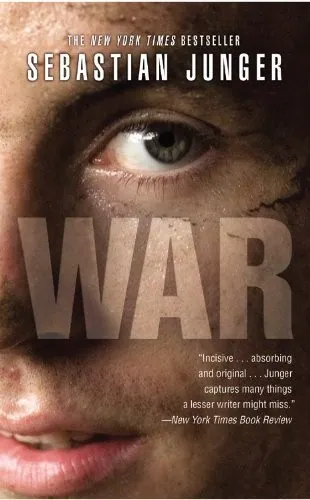
Junger embedded with a platoon in the Korengal Valley, the most dangerous posting in Afghanistan, and produced something closer to anthropology than journalism. He is interested in why men in combat become each other's world — the love, the boredom, the fear so habitual it becomes baseline. The war is not glorified, but the bonds are. That is either the book's honesty or its blind spot. Possibly both.

war journalism Afghanistan military memoir
Emotionally Ruined

Loyd went to Bosnia to escape heroin and instead found a war that was the only thing capable of making him feel alive. The confessional runs parallel to the reportage — the bodies in the snow, the sieged cities, the atrocities documented with a journalist's eye and an addict's hunger for extreme sensation. A book that is honest about war's appeal in a way that makes that appeal more disturbing, not less.

war journalism Bosnia addiction memoir
Emotionally Ruined

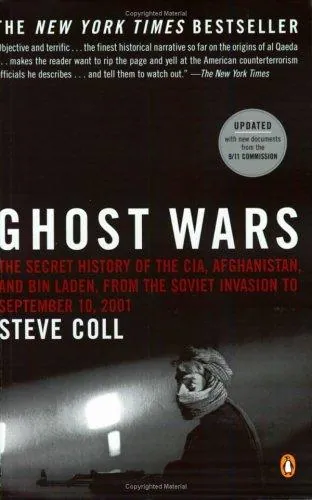
Coll's Pulitzer-winning history of the CIA in Afghanistan from the Soviet invasion through September 10, 2001 is the essential account of how the world arrived at September 11. The failures are not those of villains but of institutions, incentives, and the limits of intelligence in a country that defeated every empire sent into it. The tragedy is structural. That makes it worse.

war journalism Afghanistan CIA history

Say Nothing

Patrick Radden Keefe

Emotionally Ruined

Keefe investigates the murder of Jean McConville — a widow, mother of ten, dragged from her Belfast home by the IRA in 1972 — and reconstructs the entire arc of the Troubles through the people responsible for her death. The interview recordings that exposed the killers are the book's most morally complex element.

IRA Northern Ireland murder history

Monthly Tragic Picks

One email a month. Hand-picked books guaranteed to wreck you emotionally. No spam, no filler.