← All Lists

Cults in Fiction

Control, Escape, Aftermath — fiction about the mechanisms of total belief: how it is manufactured, how it is maintained, and what it leaves behind in the people it finally releases. These books know that escape is not the same as freedom.

10 books 3.9 avg devastation fiction

This page contains affiliate links. If you buy a book through one of these links, we earn a small commission at no extra cost to you. Full disclosure →

The Girls

Emma Cline

Emotionally Ruined

A fourteen-year-old girl is drawn into a California cult in the 1960s through the gravitational pull of older girls who seem to offer something she cannot name. Cline writes the cult through female desire and loneliness rather than doctrine, and the adult narrator's retrospective ache is the novel's truest register.

trauma loss literary fiction mental health
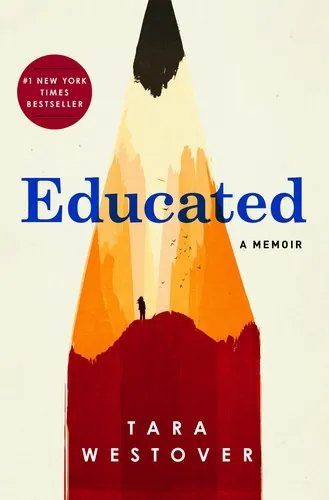
Educated

Tara Westover

Emotionally Ruined

Westover grows up in a survivalist Idaho family — a kind of private cult — and educates herself out of it. The memoir is about the violence of certainty: her father's apocalyptic faith, her brother's physical abuse, the family's collectively enforced denial. Education is not just school. It is the capacity to know what you are inside.

trauma family survival loss

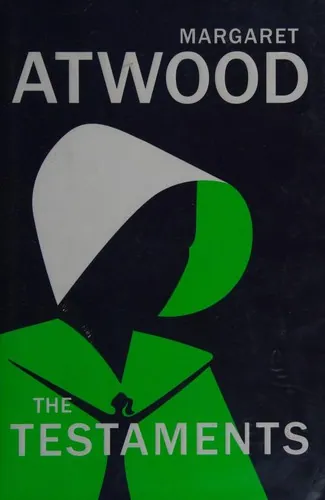
The Testaments

Margaret Atwood

Emotionally Ruined

Three women narrate the collapse of Gilead from within — including Aunt Lydia, whose accommodation with the regime is the most morally complex portrayal in the duology. Atwood understands that the most dangerous people inside a system of oppression are sometimes those who know it best. The betrayal runs in all directions.

dystopian political betrayal literary fiction

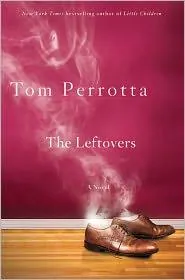
The Leftovers

Tom Perrotta

Emotionally Ruined

Two percent of the world's population vanishes and the rest must live with the not-knowing. Perrotta writes the cults that spring up in the aftermath — the Guilty Remnant who smoke and stare, the charlatans who promise answers. The horror is not the departure but the meanings people build from absence.

cults literary fiction loss philosophical

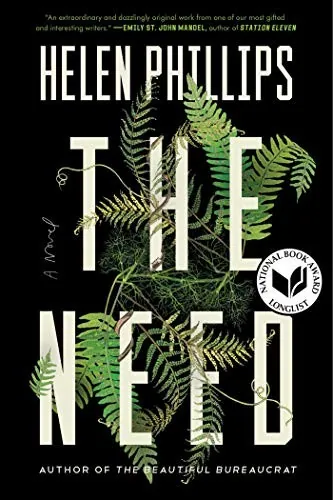
The Need

Helen Phillips

Ugly Crying

A paleobotanist discovers impossible fossils and then an intruder who is also herself. Phillips writes motherhood as cult-like devotion — the rituals, the sleep deprivation, the obliteration of self. The doppelganger is the life she did not live, and the confrontation with it is existentially terrifying.

psychological literary fiction philosophical

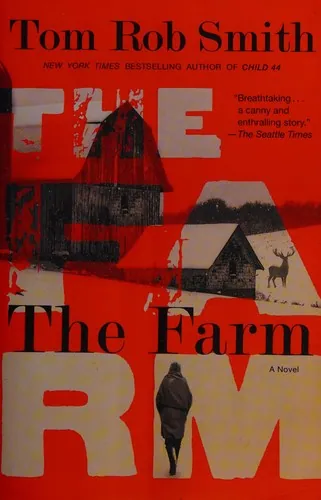
The Farm

Tom Rob Smith

Ugly Crying

A daughter calls from Sweden to say her father has committed her mother to a psychiatric hospital. The mother calls to say the father is lying. Smith constructs a cult of two — a marriage where reality itself is contested and the reader cannot determine which spouse to believe.

cults psychological literary fiction family

Monthly Tragic Picks

One email a month. Hand-picked books guaranteed to wreck you emotionally. No spam, no filler.