← All Lists

Political Prisoners & the Architecture of Control

Inside the System — memoirs and testimonies of people imprisoned, silenced, or erased by states that could not tolerate their existence. Each book is an act of survival against the forces that tried to ensure these voices would never be heard.

10 books 4.6 avg devastation non-fiction

This page contains affiliate links. If you buy a book through one of these links, we earn a small commission at no extra cost to you. Full disclosure →

Long Walk to Freedom

Nelson Mandela

Emotionally Ruined

Twenty-seven years on Robben Island and Mandela emerges not diminished but deepened. The autobiography never performs suffering or demands admiration — it simply proceeds, with the patience of a man who had learned that time was the only weapon left. The restraint is its greatest quality and its most devastating one. You measure your own grievances against this and feel ashamed.

political prisoner apartheid South Africa memoir

The Gulag Archipelago

Aleksandr Solzhenitsyn

Existential Dread

The most important document of the twentieth century's most systematic crime. Solzhenitsyn assembled testimony from hundreds of survivors and his own years in the camps to produce something beyond memoir or history — a complete anatomy of a totalitarian system's inner logic. The camps were not aberrations. They were the point. That understanding, once made, cannot be unmade.

political prisoner Soviet Union totalitarianism history

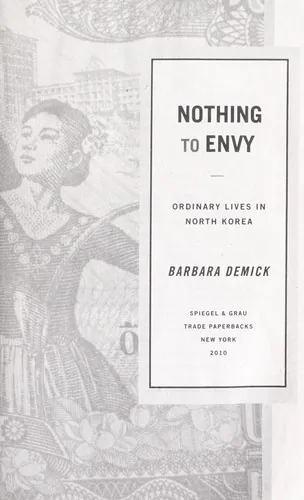
Nothing to Envy: Ordinary Lives in North Korea

Barbara Demick

Existential Dread

Demick traces six North Koreans from the 1990s famine through defection, reconstructing their lives inside a state that has perfected the removal of reality. The book's terrible gift is making the ordinary visible — courtship, education, the discovery that the outside world exists. The horror is not the camps but the totality. Everything was the camp.

political prisoner North Korea totalitarianism memoir

Persepolis

Marjane Satrapi

Emotionally Ruined

Satrapi draws her childhood under the Iranian Revolution in black and white that flattens nothing — the veil, the executions, the war with Iraq, the schoolgirls learning which version of themselves the state requires. The form is deceptively simple and the grief is not. A graphic memoir that does what prose sometimes cannot: makes ideology visible by making it personal and domestic and small.

political prisoner Iran revolution memoir

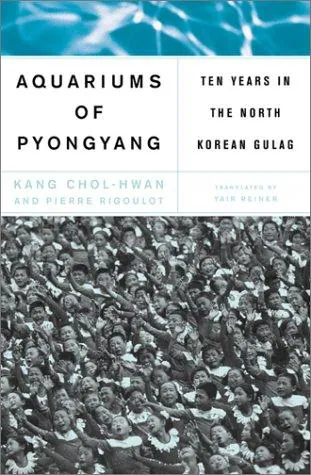
The Aquariums of Pyongyang

Kang Chol-hwan and Pierre Rigoulot

Existential Dread

Kang spent nine years in Camp 15 from the age of nine, imprisoned because his grandfather had displeased the regime. His testimony — precise, unembellished, all the more shattering for its restraint — was among the first detailed accounts of the North Korean camp system to reach the West. The title refers to a small act of private joy inside the camps. It is almost unbearable.

political prisoner North Korea camps memoir

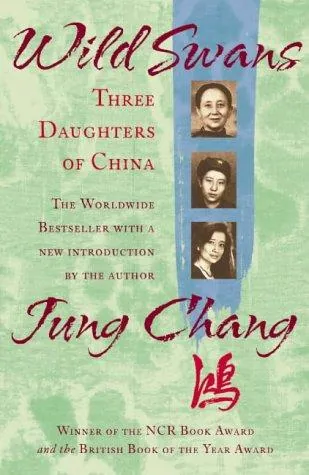
Wild Swans: Three Daughters of China

Jung Chang

Emotionally Ruined

Three generations of women across a century of Chinese catastrophe — the warlord era, Japanese occupation, the Cultural Revolution. Chang writes with the intimacy of family and the scope of history. The section on the Cultural Revolution is among the finest writing about mass ideological violence: how it weaponised love, corrupted children, and systematically dismantled the interior life.

political prisoner China history family

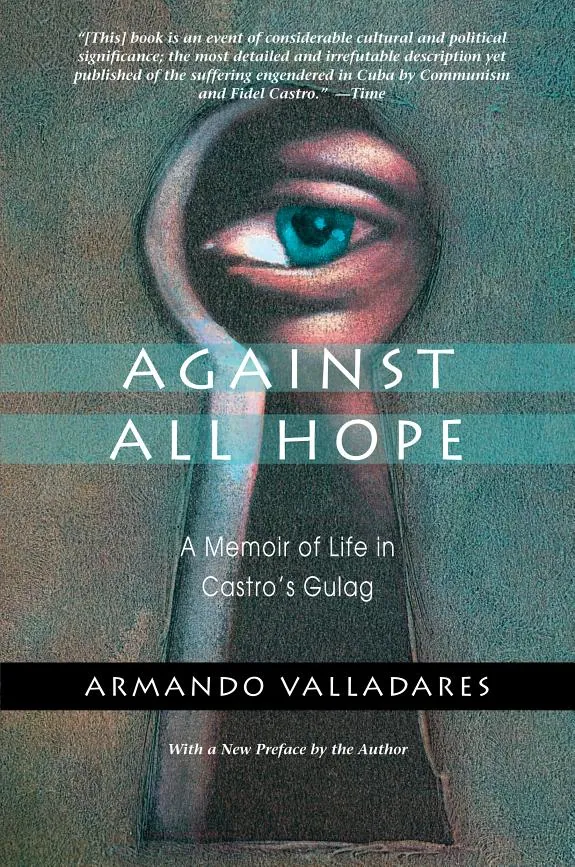
Against All Hope: A Memoir of Life in Castro's Gulag

Armando Valladares

Existential Dread

Valladares spent twenty-two years in Cuban prisons for refusing to display a sign at work. His account of what was done to political prisoners — the beatings, the forced labour, the psychiatric interventions — was once dismissed by those who found Castro's Cuba ideologically convenient. The facts were later confirmed. The ideological convenience was never withdrawn. A book about suffering, and about wilful blindness.

political prisoner Cuba totalitarianism memoir

A Woman in Berlin

Anonymous

Existential Dread

A German woman's diary of the Soviet conquest of Berlin in 1945 — the rapes, the bartering, the calculus of survival. First published anonymously and suppressed for decades because Germany was not ready to hear it. The voice is extraordinary: sardonic, clear-eyed, determined to record rather than collapse. The most unflinching document of war's aftermath ever written by its victim.

political prisoner war women Germany

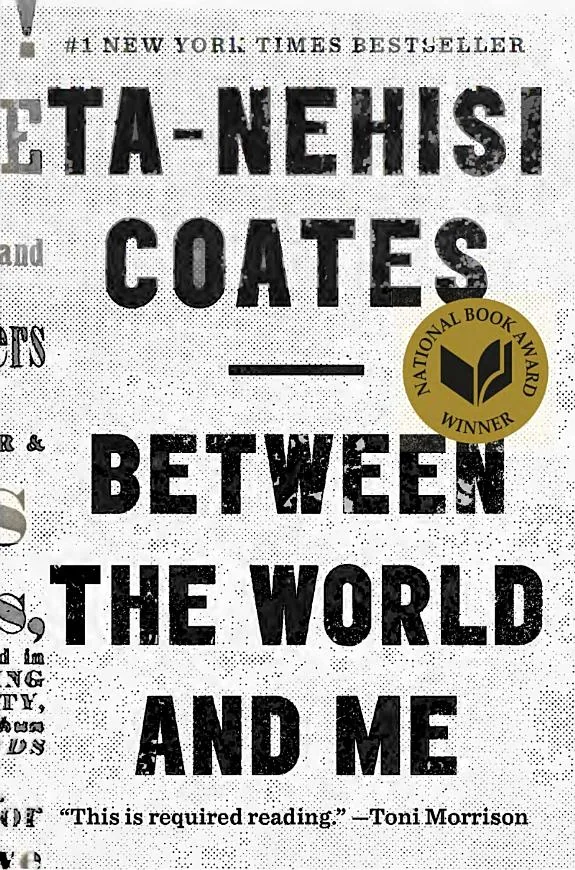
Between the World and Me

Ta-Nehisi Coates

Emotionally Ruined

Coates writes to his son about the Black body in America — its vulnerability, its history, the Dream that is built on its destruction. The letter form does not soften the argument; it concentrates it. The passage where Prince Jones is killed by a county police officer who faced no consequences is among the most controlled pieces of prose rage in contemporary literature. Nothing has changed.

race America politics memoir

Prisoner of Tehran

Marina Nemat

Existential Dread

Nemat was sixteen when she was arrested by the Islamic Revolutionary Guard and sentenced to death. Her memoir of Evin Prison is written with a clarity that makes the torture unbearable to read. She survived by marrying her interrogator, and that survival is its own form of imprisonment.

political prison memoir survival injustice

Monthly Tragic Picks

One email a month. Hand-picked books guaranteed to wreck you emotionally. No spam, no filler.