← All Lists

Poverty in Fiction — Stories From the Margins

Literature that refuses to make poverty quaint or redemptive — fiction about the specific, grinding mechanics of economic exclusion.

10 books 4.3 avg devastation fiction

This page contains affiliate links. If you buy a book through one of these links, we earn a small commission at no extra cost to you. Full disclosure →

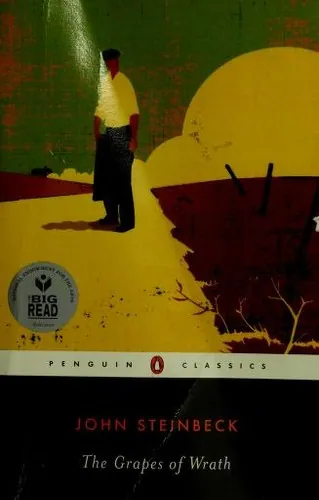
The Grapes of Wrath

John Steinbeck

Existential Dread

The Joads are driven from Oklahoma and the road west is not salvation but a longer kind of suffering. Steinbeck writes poverty as something imposed by design rather than luck, and his anger is in every sentence. The final image is biblical and desolate and unforgettable. America, in its shame.

poverty family literary fiction historical injustice survival
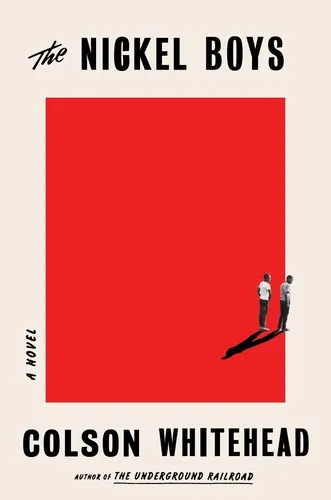
The Nickel Boys

Colson Whitehead

Existential Dread

Based on the real Dozier School for Boys — where boys were tortured, murdered, buried in unmarked graves. Whitehead writes Elwood's goodness and what the world does to goodness with restraint that makes the violence worse. The final revelation reframes everything. A novel that should not have had to be written.

injustice trauma literary fiction historical survival poverty

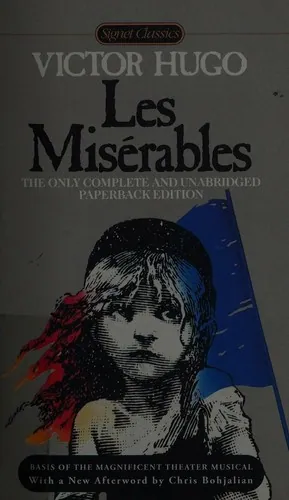
Les Misérables

Victor Hugo

Emotionally Ruined

Valjean's crime is stealing bread and the law pursues him for decades. Hugo uses that simple injustice to indict an entire social order. Fantine's fall, Éponine's death, Gavroche on the barricade — moments of operatic suffering, and the love between Valjean and Cosette is the only grace the novel permits.

poverty injustice literary fiction historical political

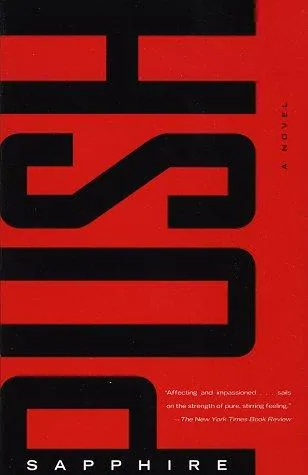
Push

Sapphire

Existential Dread

Precious Jones is sixteen, illiterate, pregnant by her father for the second time, and she is not broken. Sapphire writes in Precious's own voice — imperfect, searching, alive — and the novel's refusal to pity her is its most radical gesture. A portrait of institutional failure so specific it becomes an accusation.

poverty trauma literary fiction injustice survival

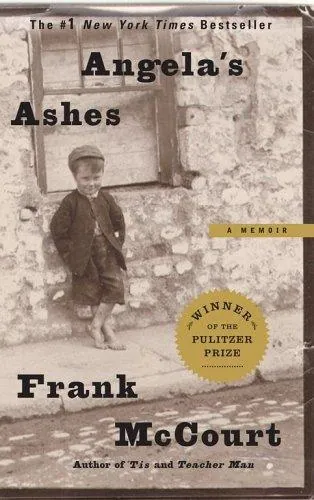
Angela's Ashes

Frank McCourt

Emotionally Ruined

Limerick poverty rendered as dark comedy and the comedy makes it worse. McCourt's childhood is unrelenting misfortune — the dead siblings, the drunk father, the mother's exhausted endurance — and the memoir survives its horror through prose that is somehow luminous. Ireland's shame and Frank's refusal to be ashamed of surviving it.

poverty family literary fiction historical loss

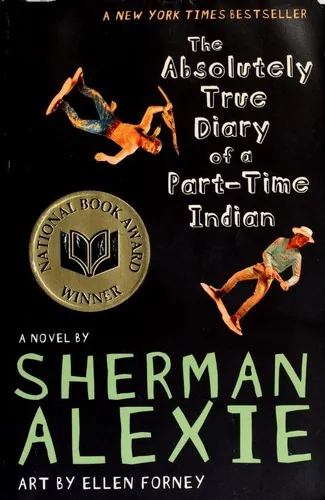
The Absolutely True Diary of a Part-Time Indian

Sherman Alexie

Emotionally Ruined

Junior leaves the reservation for the white school and loses everyone on both sides. Alexie writes the impossibility of that position with furious, funny, heartbreaking honesty. The cartoons are part of the grief. The deaths accumulate. A YA novel that does not protect you.

poverty injustice literary fiction loss family

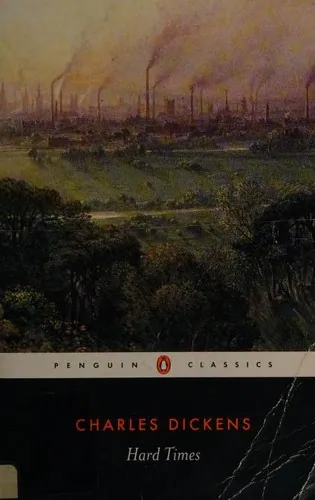
Hard Times

Charles Dickens

Ugly Crying

Coketown's mill workers are facts in a ledger and Dickens is furious about it. Mr Gradgrind's philosophy of facts above feelings produces exactly the children you would expect — damaged, loveless, and dangerous. Shorter and angrier than most Dickens, and the argument against utilitarian exploitation of the poor has never been put more plainly.

poverty injustice literary fiction historical

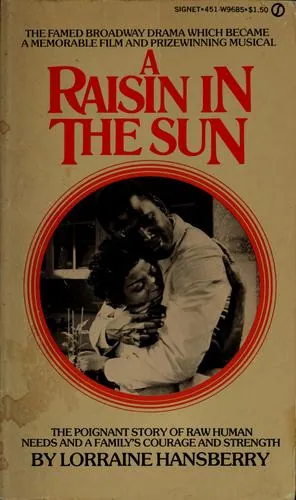
A Raisin in the Sun

Lorraine Hansberry

Ugly Crying

The Younger family has a dream and the dream is modest and the world still tries to take it. Hansberry writes about aspiration and the specific cruelty of systemic barriers with precision that makes the play feel contemporary in ways it should not still be. Walter Lee's final stand is both triumph and compromise.

poverty injustice literary fiction family

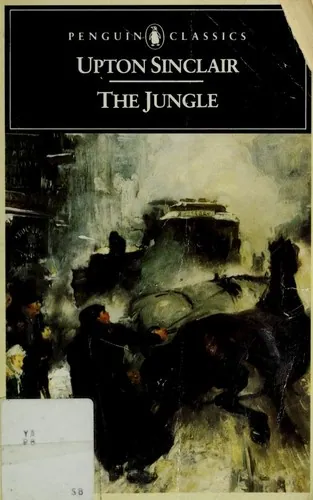
The Jungle

Upton Sinclair

Existential Dread

Jurgis Rudkus comes to America and America processes him. Sinclair's novel about the meatpacking industry is also the most complete account of capitalism as a machine for consuming human beings. The political ending is almost beside the point — the damage has already been done, catalogued, made permanent.

poverty injustice literary fiction historical political

Germinal

Emile Zola

Existential Dread

Zola descends into the mines of northern France and does not look away. The poverty is structural, the suffering is industrial, and the brief uprising is crushed with mechanical efficiency. Germinal is fury rendered as literature — every page tastes of coal dust and injustice.

poverty injustice literary fiction historical political

Monthly Tragic Picks

One email a month. Hand-picked books guaranteed to wreck you emotionally. No spam, no filler.