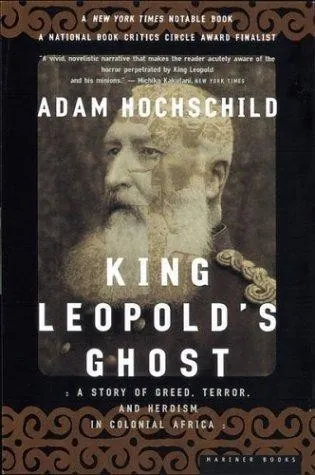
Leopold II owned the Congo as his private property and killed or maimed ten million people in the extraction of rubber. Hochschild's book rescued this history from deliberate obscurity — the Belgian government suppressed it — and gave it back its scale and its faces. The atrocity photographs. The severed hands. The humanitarian investigators who were ignored. A masterpiece of historical reclamation.
Anti-Colonial Non-Fiction — The Case Against Empire
History, memoir, and journalism that documents colonialism not as a historical phase but as an ongoing condition.
This page contains affiliate links. If you buy a book through one of these links, we earn a small commission at no extra cost to you. Full disclosure →
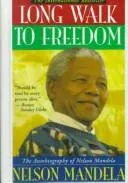
Long Walk to Freedom
Nelson Mandela
Twenty-seven years of imprisonment, and Mandela writes about them with the equanimity of someone who understood that bitterness was a luxury he could not afford. The autobiography is also a document of a country's destruction and reconstruction. The final chapters, as power transfers, are the most cautiously hopeful pages in political memoir.
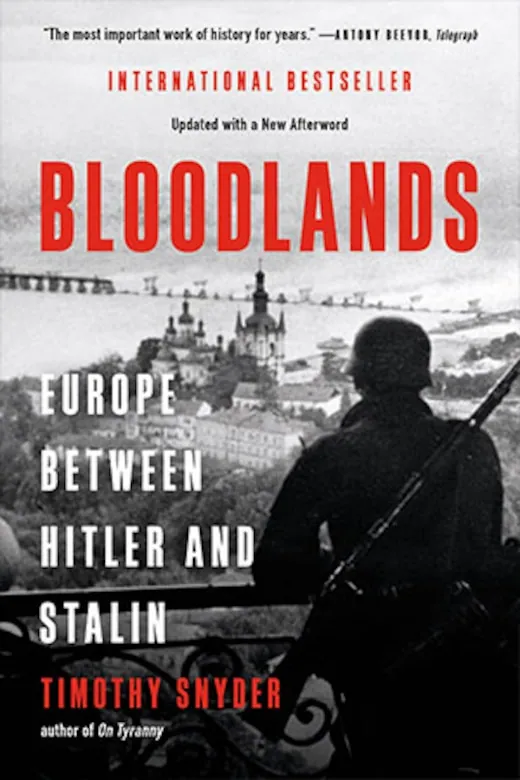
Bloodlands: Europe Between Hitler and Stalin
Timothy Snyder
Snyder chronicles the fourteen million civilians killed between Berlin and Moscow between 1933 and 1945 by both German and Soviet power — a geography of killing the Cold War's binary memory had obscured. The Bloodlands were Ukrainian, Belarusian, Polish, Baltic. The killing was industrial on both sides. Snyder insists each of the fourteen million be counted as an individual. The effort is moral and it exhausts you.
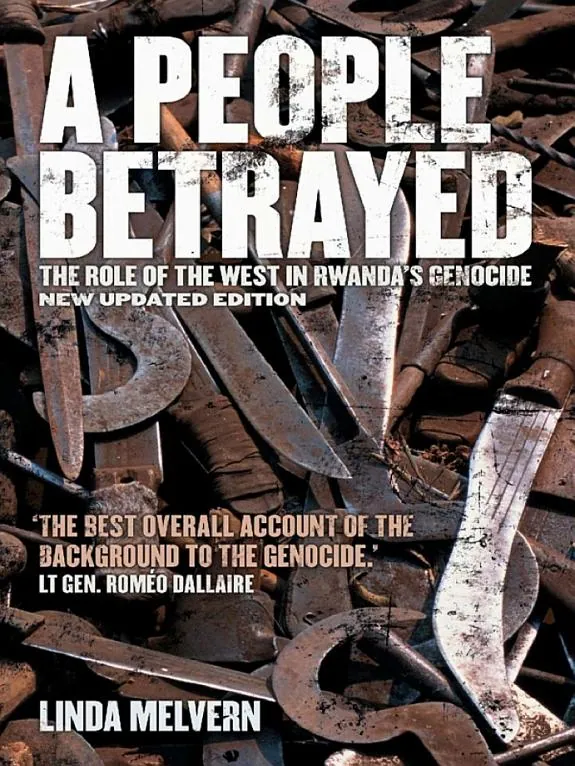
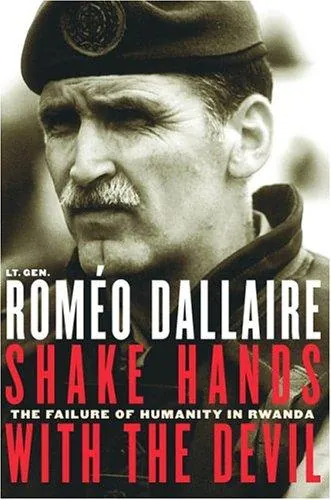
Melvern reconstructed the deliberate failure of the UN Security Council to act on Rwanda using classified documents and testimonies from the key actors. France, Belgium, the United States — each knew, each withdrew, each let the killing continue. The decisions are documented in meeting minutes. The bureaucratic language in which eight hundred thousand deaths were managed is the most damning evidence in the book.
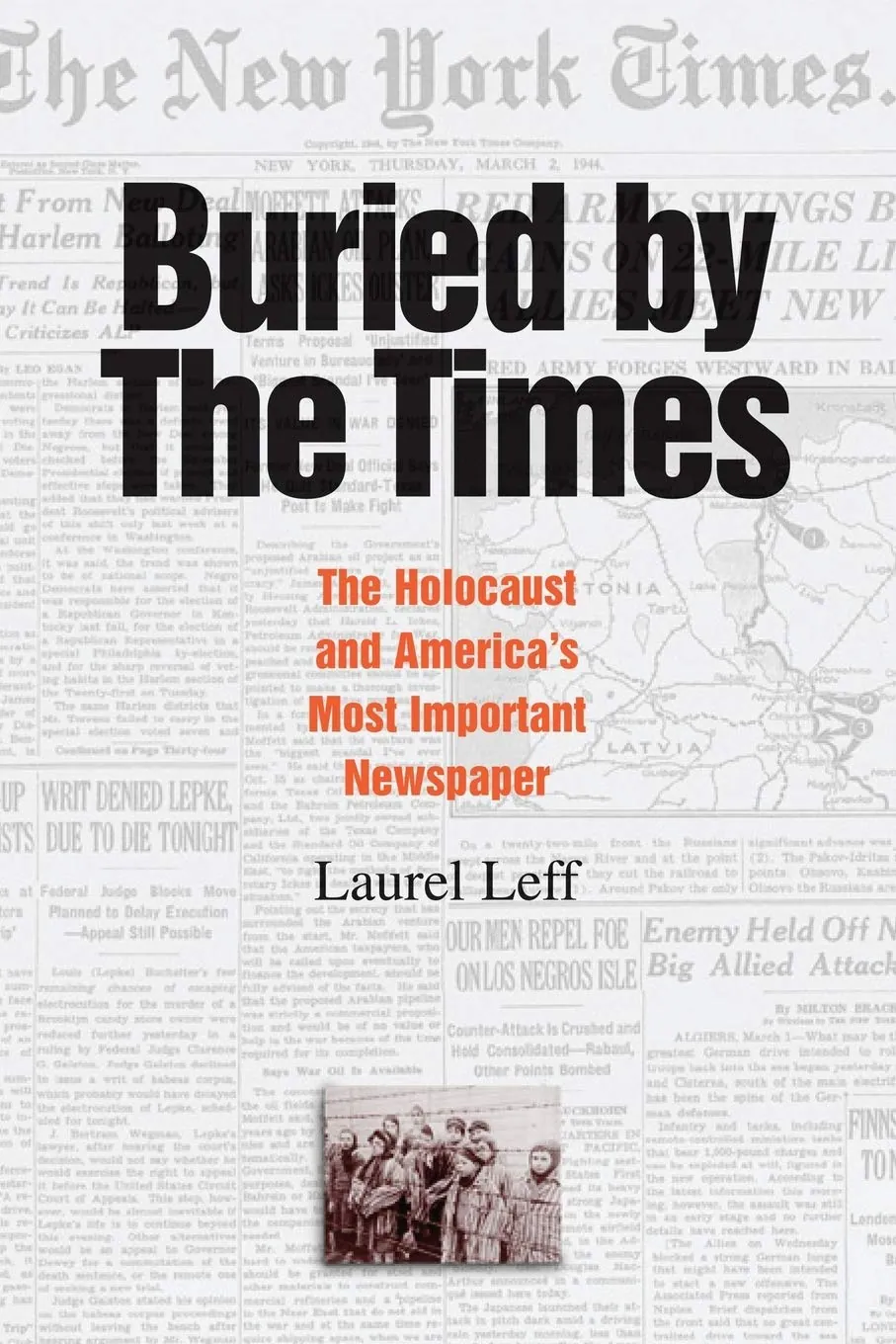
Leff documents the New York Times's systematic downplaying of Holocaust coverage during the war — stories buried inside the paper, the scale of the killing never stated plainly. The owners were Jewish and terrified of appearing to advocate for Jewish interests. The result was that America's most influential newspaper helped create the silence around the greatest crime of the century. Press responsibility as historical catastrophe.
Berkeley argues that Africa's ethnic violence is not primordial but manufactured — by colonialism, by Cold War proxy politics, by leaders who weaponised identity to avoid accountability. Through Liberia, Sierra Leone, Rwanda, Zimbabwe, he tracks the same pattern: elites who created killers to do their political work and a West that found the resulting chaos more convenient than its causes. An uncomfortable reckoning.
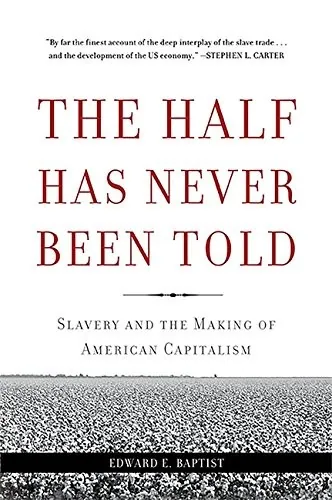
The Half Has Never Been Told
Edward Baptist
Baptist argues that slavery was not a pre-modern relic but the engine of American capitalism. The torture of enslaved people was a management technique. Cotton productivity was measured in scars. This is economic history written with moral fury.
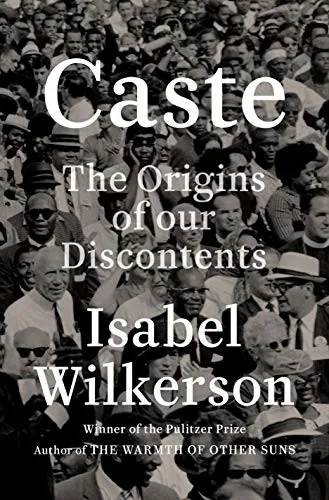
Caste
Isabel Wilkerson
Wilkerson connects American racism, Indian untouchability, and Nazi Germany through the framework of caste — the invisible architecture that ranks human value. The argument is expansive and the evidence is personal, historical, and devastating.
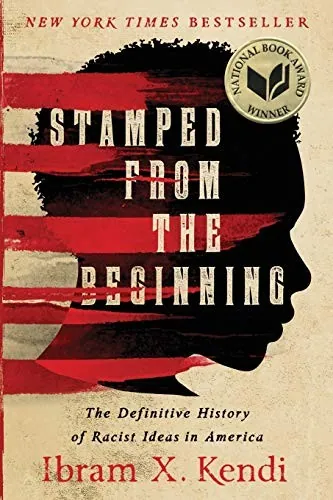
Stamped from the Beginning
Ibram X. Kendi
Kendi traces the history of racist ideas in America from the Puritans to the present, arguing that racism is not born of ignorance but of interest. Each era produces new justifications for the same hierarchy. The scholarship is formidable and the conclusion is bleak.
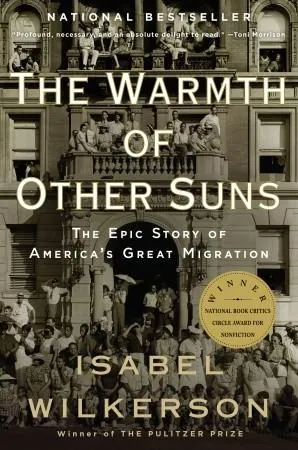
The Warmth of Other Suns
Isabel Wilkerson
Wilkerson traces the Great Migration through three lives — from the cotton fields of Mississippi to the factories of Chicago to the neighbourhoods of Los Angeles. The exodus of six million Black Americans is the largest untold story in American history. This book tells it with devastating intimacy.
Related Lists
Genocide: The Evidence, the Failure, the Names
The Century's Worst Crime — accounts of organised mass killing from Rwanda to the Congo, the Holocaust to the Soviet bloodlands. These books refuse to let atrocity remain abstract. They name the perpetrators, document the mechanisms, and insist that the bystanders — the governments, the newspapers, the UN Security Council — also be held to account.
Slavery Narratives & the Long Shadow of Race
First-person accounts of enslavement and the systemic racism that followed abolition — from the plantation to the prison, from Jim Crow to mass incarceration. These books trace a line from 1619 to now and ask whether it has ever really been broken.
Civil Rights — The Movement and Its Cost
Books about the fight for equality in America and what it extracted from those who fought it.
Monthly Tragic Picks
One email a month. Hand-picked books guaranteed to wreck you emotionally. No spam, no filler.