← All Lists

North Korea — Life Inside the Most Closed Country on Earth

Testimony from defectors and journalists — the famine, the camps, the state that demands you love your captivity.

10 books 4.5 avg devastation non-fiction

This page contains affiliate links. If you buy a book through one of these links, we earn a small commission at no extra cost to you. Full disclosure →

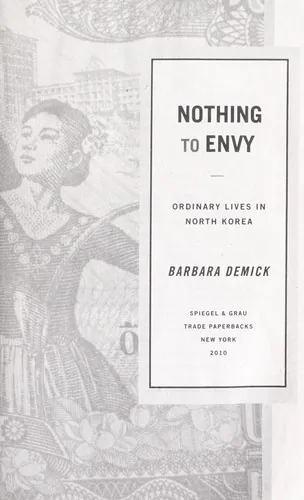
Nothing to Envy

Barbara Demick

Existential Dread

Demick interviewed six North Korean defectors and reconstructed their lives inside the state from birth to departure. The famine of the 1990s — when the food distribution system simply stopped — is the center of the book. The defectors describe watching neighbors starve while the loudspeakers continued their announcements.

North Korea defectors famine totalitarianism
Existential Dread

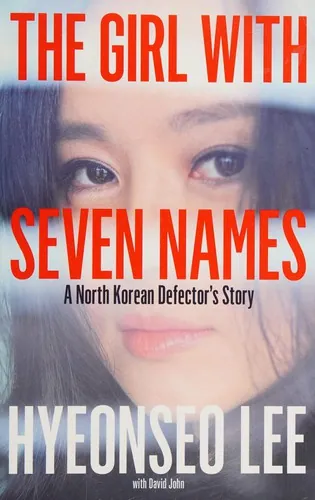
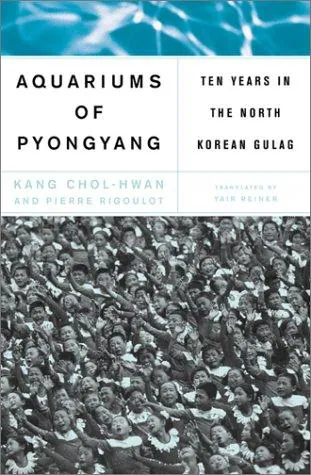
Kang spent ten years in the Yodok concentration camp in North Korea from age nine. His account of life inside the camp is the most complete testimony from the North Korean gulag system. The bureaucratic specificity — the categories of prisoner, the rules, the punishments — is the most devastating element.

North Korea camps memoir survival

Wild Swans

Jung Chang

Emotionally Ruined

Three generations of Chinese women from the warlord era through the Cultural Revolution. Chang's grandmother was a concubine; her mother was a Communist official; she was a Red Guard. Each generation is destroyed by the politics of the next. The Cultural Revolution chapters, written from inside them, are the most personally devastating.

China Cultural Revolution women history

Persepolis

Marjane Satrapi

Emotionally Ruined

Satrapi grew up in Iran through the Islamic Revolution and the Iran-Iraq War and drew it in black and white. The graphic memoir form makes the political personal and the global local — a young girl becoming a young woman becoming an exile. The hardest panels are the ones of her parents at the airport.

Iran revolution memoir exile

Long Walk to Freedom

Nelson Mandela

Ugly Crying

Twenty-seven years of imprisonment, and Mandela writes about them with the equanimity of someone who understood that bitterness was a luxury he could not afford. The autobiography is also a document of a country's destruction and reconstruction. The final chapters, as power transfers, are the most cautiously hopeful pages in political memoir.

memoir apartheid South Africa politics

The Gulag Archipelago

Aleksandr Solzhenitsyn

Existential Dread

The most important document of the twentieth century's most systematic crime. Solzhenitsyn assembled testimony from hundreds of survivors and his own years in the camps to produce something beyond memoir or history — a complete anatomy of a totalitarian system's inner logic. The camps were not aberrations. They were the point. That understanding, once made, cannot be unmade.

political prisoner Soviet Union totalitarianism history
Existential Dread

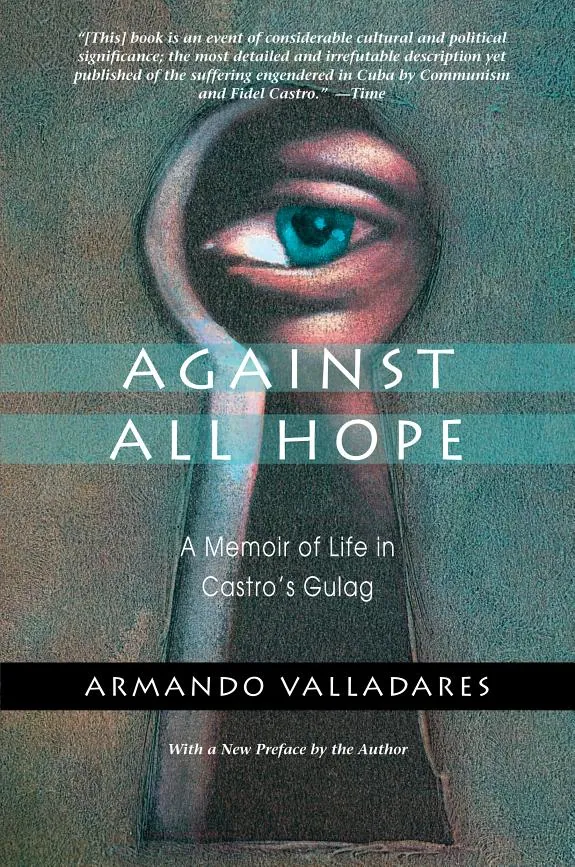
Valladares spent twenty-two years in Cuban prisons for refusing to display a sign at work. His account of what was done to political prisoners — the beatings, the forced labour, the psychiatric interventions — was once dismissed by those who found Castro's Cuba ideologically convenient. The facts were later confirmed. The ideological convenience was never withdrawn. A book about suffering, and about wilful blindness.

political prisoner Cuba totalitarianism memoir
Existential Dread

A German woman's diary of the Soviet conquest of Berlin in 1945 — the rapes, the bartering, the calculus of survival. First published anonymously and suppressed for decades because Germany was not ready to hear it. The voice is extraordinary: sardonic, clear-eyed, determined to record rather than collapse. The most unflinching document of war's aftermath ever written by its victim.

political prisoner war women Germany

Monthly Tragic Picks

One email a month. Hand-picked books guaranteed to wreck you emotionally. No spam, no filler.