← All Lists

Climate Non-Fiction — The Evidence of the Catastrophe

The books that document what is happening to the planet — not as future threat but as present emergency.

10 books 3.7 avg devastation non-fiction

This page contains affiliate links. If you buy a book through one of these links, we earn a small commission at no extra cost to you. Full disclosure →

Existential Dread

Wallace-Wells takes every credible projection for climate change and follows it to its conclusion: the heat deaths, the crop failures, the wars over water, the cities underwater, the pandemics from thawing permafrost. He is not exaggerating. He is reporting. The chapter titles are the names of the disasters: Heat Death, The Uninhabitable Earth, Dying Oceans. A book you finish in a kind of altered state.

environmental destruction climate science future
Ugly Crying

Klein's argument is structural and therefore bracing: climate change cannot be solved within the economic system that caused it. The book is not about technology or individual behaviour but about power — who has it, who profits from delay, and why the solutions that work are the ones that have been systematically blocked. More useful than any book about recycling.

environmental destruction climate capitalism politics
Emotionally Ruined

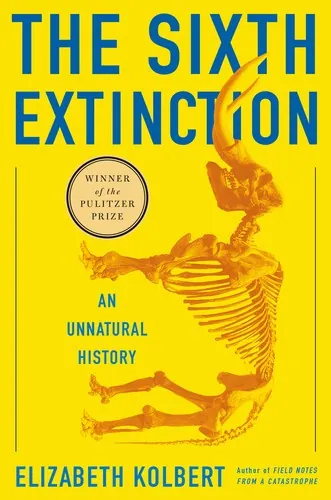
Kolbert visits the sites where species are disappearing — the Great Barrier Reef, the Andes cloud forests, a bat cave devastated by fungal disease — and assembles the evidence for the sixth mass extinction in planetary history. The first five had external causes. This one is us, and we are doing it in real time. The Pulitzer was well-earned. The species lost while it was being awarded were not returned.

environmental destruction extinction ecology science
Quiet Sadness

Kimmerer is a botanist and a member of the Citizen Potawatomi Nation and she writes about plants as if they have something to teach us, because they do. The book is a counter-narrative to extractive ecology — gratitude instead of exploitation, reciprocity instead of dominance. In a literature of environmental grief, it is an anomaly: something that makes the loss bearable by insisting on what remains and what it means.

environmental destruction ecology indigenous science

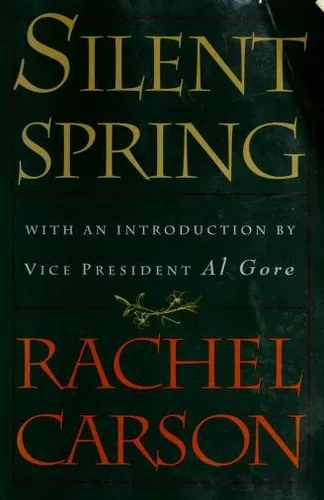
Silent Spring

Rachel Carson

Emotionally Ruined

Carson documented the devastation of DDT and the chemical industry's war on the natural world with scientific rigour and the moral authority of someone watching a crime being committed in plain sight. The chemical lobby tried to destroy her. She was dying of cancer while finishing the book. The environmental movement she helped create has spent sixty years trying to catch up with the damage she described.

environmental destruction pesticides ecology science
Existential Dread

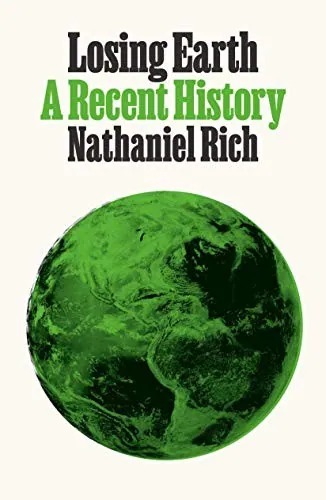
Rich documents the decade between 1979 and 1989 when the science was clear, the political will almost gathered, and the decision was made — by industry, by the Bush administration — not to act. Every subsequent year of climate inaction has its origin in those ten years. The book is a tragedy in the classical sense: we knew, we could have acted, we chose not to. The choice was made by specific people with names.

environmental destruction climate history politics
Emotionally Ruined

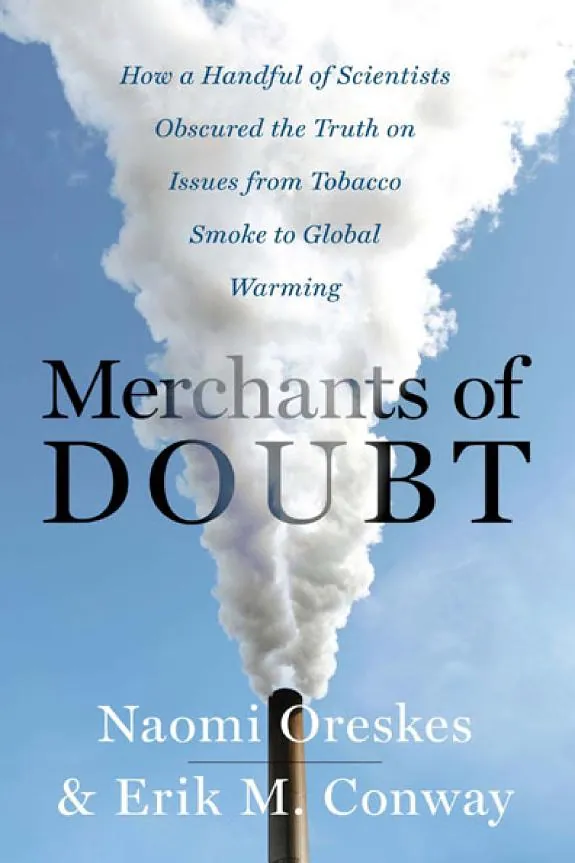
Oreskes and Conway document the same small group of scientists who spent decades manufacturing uncertainty about tobacco, acid rain, the ozone hole, and climate change — paid to produce doubt rather than knowledge. The argument is historical, the evidence is overwhelming, and the conclusion is devastating: the delay was not ignorance but strategy. Millions have died. The strategy continues.

environmental destruction climate industry science
Ugly Crying

Kolbert's follow-up to the Sixth Extinction visits the interventions being made to save what remains — the gene-edited coral, the assisted evolution, the solar geoengineering that would turn the sky white. The tone is not hopeful. The solutions require the same kind of technological confidence that caused the problems. She is watching humans try to use the disease as the cure, and she is taking notes.

environmental destruction climate technology ecology
Emotionally Ruined

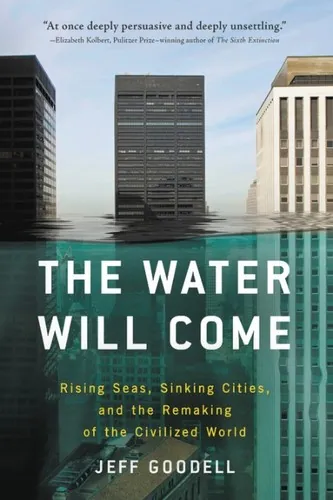
Goodell visits the places that will be underwater within this century — Miami Beach, Lagos, Rotterdam, Venice — and reports back with a calm that is more frightening than alarm would be. The science is sound, the politics are catastrophic, the real estate markets are in denial. The title is not a warning. It is a statement of fact that the powerful have decided to ignore.

natural disaster climate sea level cities
Emotionally Ruined

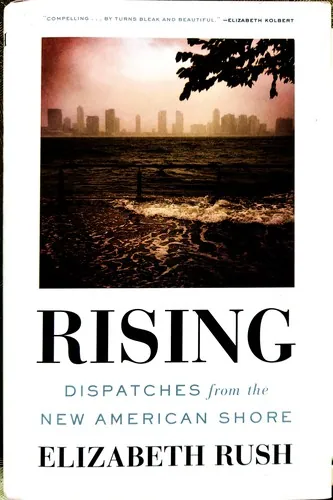
Rush travels the American coastline that is already disappearing under rising seas — marsh communities in Louisiana, Staten Island residents who lost everything in Sandy. The writing is lyrical and the grief is present tense: this is not a future catastrophe but a current one, slow enough to be ignored. A book about what we are choosing to let drown.

natural disaster climate sea level America

Monthly Tragic Picks

One email a month. Hand-picked books guaranteed to wreck you emotionally. No spam, no filler.