← All Lists

Plague and Pandemic Fiction

The End of the World — stories of contagion, quarantine, and the human behaviour that emerges when society is stripped to survival. These novels don't ask whether the virus wins. They ask what we become while it's winning.

10 books 3.6 avg devastation fiction

This page contains affiliate links. If you buy a book through one of these links, we earn a small commission at no extra cost to you. Full disclosure →

The Plague

Albert Camus

Emotionally Ruined

A city sealed against pestilence, and Camus uses the quarantine to ask what people become when ordinary life is suspended. Dr Rieux does his work without heroism or faith, and Camus makes that plainness the argument — not salvation, not meaning, just the daily effort of refusing to abandon the people next to you.

philosophical literary fiction survival political
Station Eleven

Emily St. John Mandel

Emotionally Ruined

The flu takes almost everyone and Mandel writes the aftermath with such elegiac clarity that survival feels like loss. The travelling theatre reciting Shakespeare to remnants of civilization is not hopeful — it is the most human and therefore most heartbreaking image in the book. Survival is insufficient, and she means it.

dystopian survival loss literary fiction

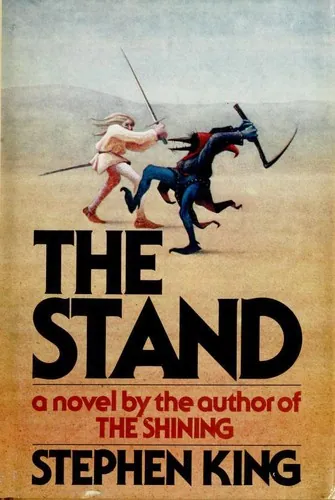
The Stand

Stephen King

Ugly Crying

A superflu called Captain Trips ends civilisation and King fills the silence with something worse: people. The Stand is sprawling, operatic, often maddening — but the opening plague sequences are among the most viscerally terrifying in American fiction. The horror isn't the virus. It's who gets to rebuild. King makes you care about each survivor only so the losses hit harder.

survival horror loss dystopian

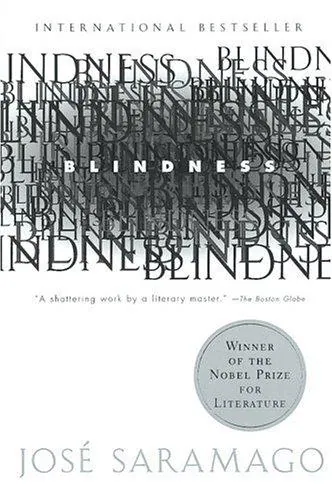
Blindness

José Saramago

Emotionally Ruined

Saramago's epidemic of whiteness strips civilisation to its worst impulses in under a week. The prose has no paragraph breaks, no named characters — just an undifferentiated mass of suffering. It is deliberately unbearable. That's the point. When the lights go out, morality evaporates faster than food. The real question is not about sight but about what we choose to see when we can.

philosophical literary fiction survival trauma

Year of Wonders

Geraldine Brooks

Ugly Crying

A village seals itself off to contain plague and destroys itself from within. Brooks narrates through Anna, a servant turned healer, whose grief accumulates in layers — husband, neighbours, self. The horror is quiet and domestic. Faith curdles into accusation. Plague becomes a mirror. Anna survives and the village does not — that asymmetry is the novel's final devastating truth.

historical loss grief survival

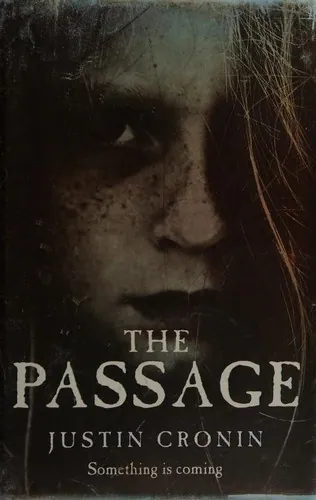
The Passage

Justin Cronin

Ugly Crying

A military virus turns subjects into something between vampire and apocalypse and Cronin treats it with the moral weight of a literary novelist. The opening section, with Amy and Agent Wolgast, is heartbreaking in ways the genre rarely attempts. This is plague fiction where the children haunt you. Cronin earns his scale by grounding it in the grief of one person protecting one child.

survival horror loss dystopian

Oryx and Crake

Margaret Atwood

Emotionally Ruined

Atwood's pandemic is engineered, deliberate, and born from loneliness. Snowman walks through a posthuman world and remembers the brilliant, damaged boy who ended it. The horror isn't the plague — it's that someone brilliant enough to cure cancer used that intelligence to unmake the species instead. The love triangle is less romantic than a study in who is allowed to care about whom.

dystopian philosophical literary fiction loss

Love in the Time of Cholera

Gabriel García Márquez

Ugly Crying

Cholera is less backdrop than metaphor: disease as the price of feeling too much. Florentino Ariza waits fifty-one years for Fermina Daza and García Márquez asks whether that is devotion or pathology. The pandemic at the edges bleeds into everything. Even love, here, smells faintly of death. The novel asks whether waiting fifty years is love or merely the refusal to stop waiting.

love loss literary fiction historical

A Journal of the Plague Year

Daniel Defoe

Ugly Crying

Defoe invents documentary fiction to narrate the 1665 London plague, and his unnamed narrator watches the city die with the precision of an accountant and the grief of a survivor. Bills of mortality become poetry. The horror is in the accumulation of weekly numbers, each one a neighbourhood. Defoe writes fiction as witness — insisting on the ordinary life inside the catastrophe.

historical loss survival literary fiction

The Last Man

Mary Shelley

Existential Dread

Shelley wrote the first pandemic novel two centuries before COVID. A plague empties the world and Lionel Verney narrates the long, slow diminishment of everything. The grief is not for individuals but for civilisation itself — each city that falls, each custom that dies, each voice that goes silent.

pandemic loss literary fiction historical

Monthly Tragic Picks

One email a month. Hand-picked books guaranteed to wreck you emotionally. No spam, no filler.