← All Lists

Apartheid Testimony — The Record That Cannot Be Revised

Non-fiction accounts of apartheid South Africa — from those who lived under it, fought it, and were broken by it.

10 books 4.4 avg devastation non-fiction

This page contains affiliate links. If you buy a book through one of these links, we earn a small commission at no extra cost to you. Full disclosure →

Long Walk to Freedom

Nelson Mandela

Ugly Crying

Twenty-seven years of imprisonment, and Mandela writes about them with the equanimity of someone who understood that bitterness was a luxury he could not afford. The autobiography is also a document of a country's destruction and reconstruction. The final chapters, as power transfers, are the most cautiously hopeful pages in political memoir.

memoir apartheid South Africa politics
Emotionally Ruined

Paton wrote this before apartheid was law, which makes its accuracy feel less like prophecy than like witness. Two fathers — one Black, one white — meet in Johannesburg after their sons' fates become catastrophically entangled. The love for South Africa is the wound.

apartheid South Africa race fathers

Disgrace

J.M. Coetzee

Existential Dread

David Lurie loses his professorship after an affair with a student, retreats to his daughter's farm, and watches South Africa in the aftermath of apartheid exact its costs on his body and his daughter's. Coetzee refuses to distribute guilt cleanly. The country's history and Lurie's failure are the same story.

apartheid South Africa guilt gender
Emotionally Ruined

A white South African teacher investigates the detention death of his Black gardener's son and discovers that knowing the truth is not the same as being able to do anything with it. Brink was banned for this novel. The bureaucracy of apartheid violence is rendered in detail that has not aged.

apartheid South Africa justice complicity
Emotionally Ruined

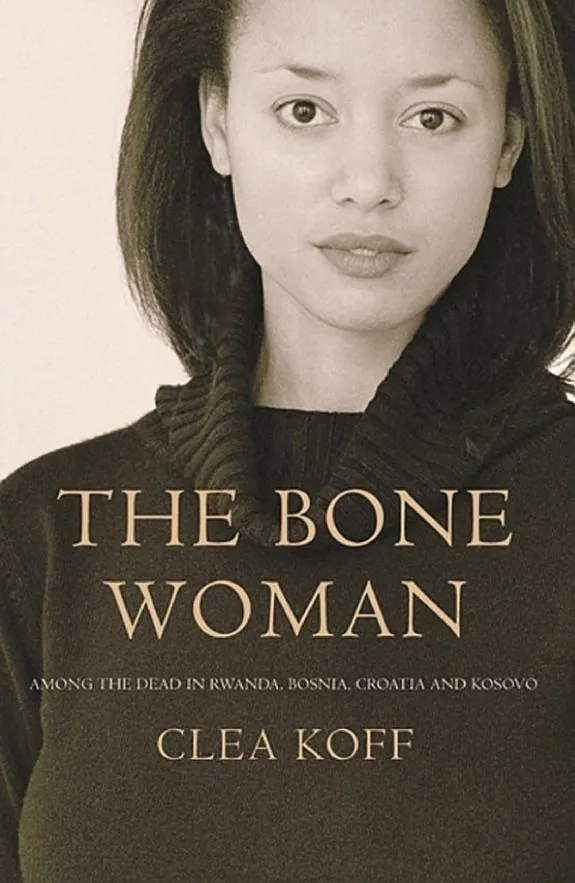
Koff exhumed mass graves for the UN tribunals — Rwanda, Bosnia, Croatia, Kosovo — and wrote about what the bones say when the living will not or cannot speak. The science is meticulous; the emotional cost is present but contained, as it must be in a forensic context. A book about how bodies are made to disappear and how they can be made to testify. Evidence as justice.

genocide forensics war crimes testimony
Existential Dread

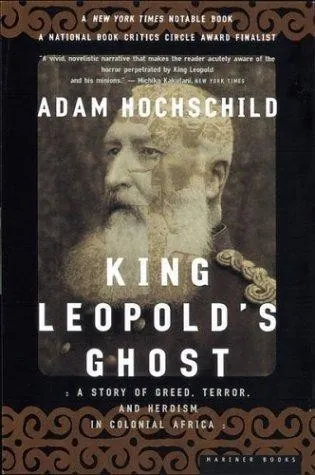
Leopold II owned the Congo as his private property and killed or maimed ten million people in the extraction of rubber. Hochschild's book rescued this history from deliberate obscurity — the Belgian government suppressed it — and gave it back its scale and its faces. The atrocity photographs. The severed hands. The humanitarian investigators who were ignored. A masterpiece of historical reclamation.

genocide colonialism Congo history
Emotionally Ruined

Berkeley argues that Africa's ethnic violence is not primordial but manufactured — by colonialism, by Cold War proxy politics, by leaders who weaponised identity to avoid accountability. Through Liberia, Sierra Leone, Rwanda, Zimbabwe, he tracks the same pattern: elites who created killers to do their political work and a West that found the resulting chaos more convenient than its causes. An uncomfortable reckoning.

genocide Africa politics colonialism
Existential Dread

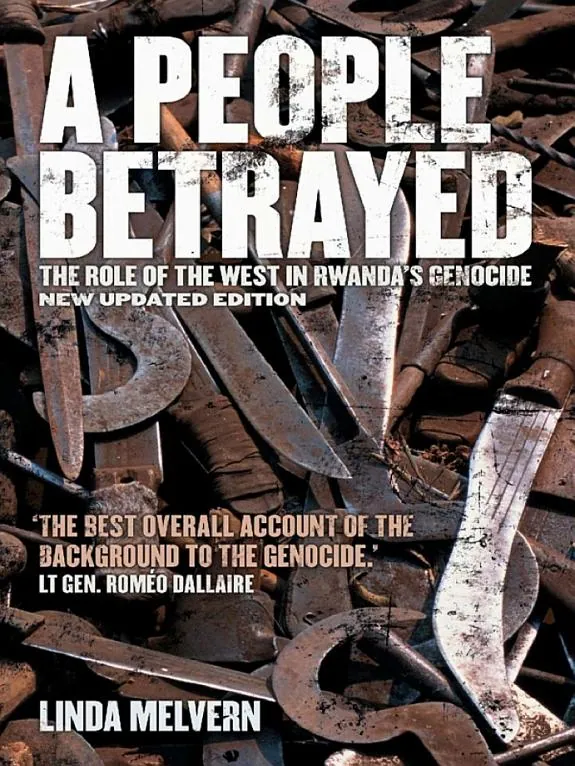
Melvern reconstructed the deliberate failure of the UN Security Council to act on Rwanda using classified documents and testimonies from the key actors. France, Belgium, the United States — each knew, each withdrew, each let the killing continue. The decisions are documented in meeting minutes. The bureaucratic language in which eight hundred thousand deaths were managed is the most damning evidence in the book.

genocide Rwanda UN politics
Existential Dread

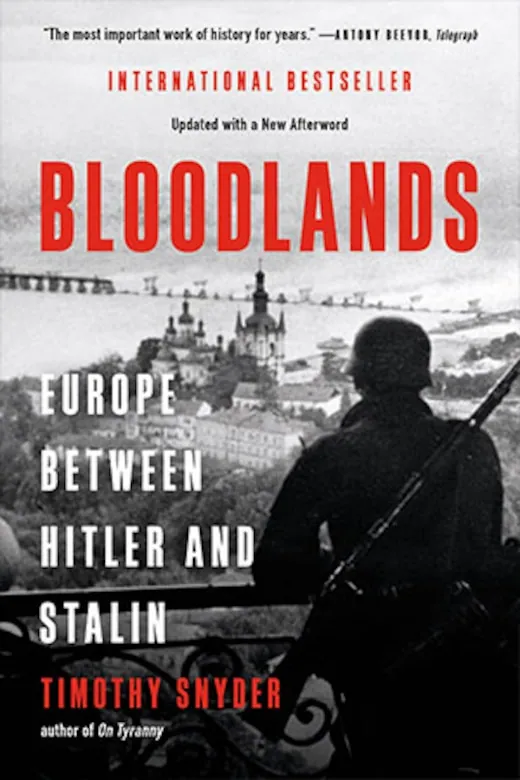
Snyder chronicles the fourteen million civilians killed between Berlin and Moscow between 1933 and 1945 by both German and Soviet power — a geography of killing the Cold War's binary memory had obscured. The Bloodlands were Ukrainian, Belarusian, Polish, Baltic. The killing was industrial on both sides. Snyder insists each of the fourteen million be counted as an individual. The effort is moral and it exhausts you.

genocide Holocaust Stalin Eastern Europe
Existential Dread

Hatzfeld interviewed a group of men imprisoned for their roles in the Rwandan genocide — ordinary farmers who killed their neighbours with farm tools during the hundred days. They speak about it without the affect of monsters. They were organised, they were cheerful, they looted, they ate well. The ordinariness is the point and the horror. Hannah Arendt's banality made local and agricultural and specific.

genocide Rwanda testimony evil

Monthly Tragic Picks

One email a month. Hand-picked books guaranteed to wreck you emotionally. No spam, no filler.